How to Dry Makeup Sponges Between Uses
A makeup sponge needs a place to dry as well as a place to live. Treat those as two different storage jobs.

A closed makeup bag is convenient for carrying a sponge, but it is not a good drying station. When a freshly washed sponge goes straight into the same pouch as brushes and pencils, moisture is trapped among items that were meant to stay dry. A better arrangement gives the sponge a temporary open place before it returns to storage.
Begin with the sponge's care instructions
Different materials and constructions can have different cleaning requirements. Use the cleanser and method recommended for the sponge rather than assuming that a household cleaning product is suitable. Rinse thoroughly and squeeze gently as directed. Avoid twisting the sponge hard enough to tear its surface.
Heat-based tricks are not a shortcut. Do not microwave, boil or place a sponge on a radiator unless the manufacturer specifically provides such instructions. Improvised methods can damage the material and do not give you a reliable way to verify cleanliness.
Choose an open, clean resting place
A washable, well-ventilated holder can keep the sponge from rolling into the sink. The holder itself needs cleaning, and its openings should allow air around the sponge. A holder packed into an enclosed drawer while everything is wet defeats the purpose of those openings.
Pick a location away from splashing water and the toilet area. Keep it separate from used applicators, hairbrushes and the bottom of a toiletry bag. If your bathroom stays humid, another clean, dry spot may be more convenient for the drying stage.
Check the sponge before sealing it into a case. A dry outer surface does not necessarily mean the center is dry, especially in a thick sponge. Allow enough time and avoid compressing it tightly into a small container.
Plan around the next use
If you wash a sponge shortly before leaving home, carry it in a suitable ventilated case and let it finish drying when you arrive. Do not put a damp sponge loose against paper packaging or powder products. Wash the travel case afterward if it has collected residue.
The FDA's cosmetic-safety advice emphasizes clean hands and not sharing makeup. Keep your applicators personal as well. If a sponge develops an unusual smell, visible growth, persistent residue or a damaged surface, replace it rather than trying increasingly harsh cleaning treatments. A drying routine helps care for a sponge; it cannot make a worn or contaminated one last indefinitely.
Continue exploring
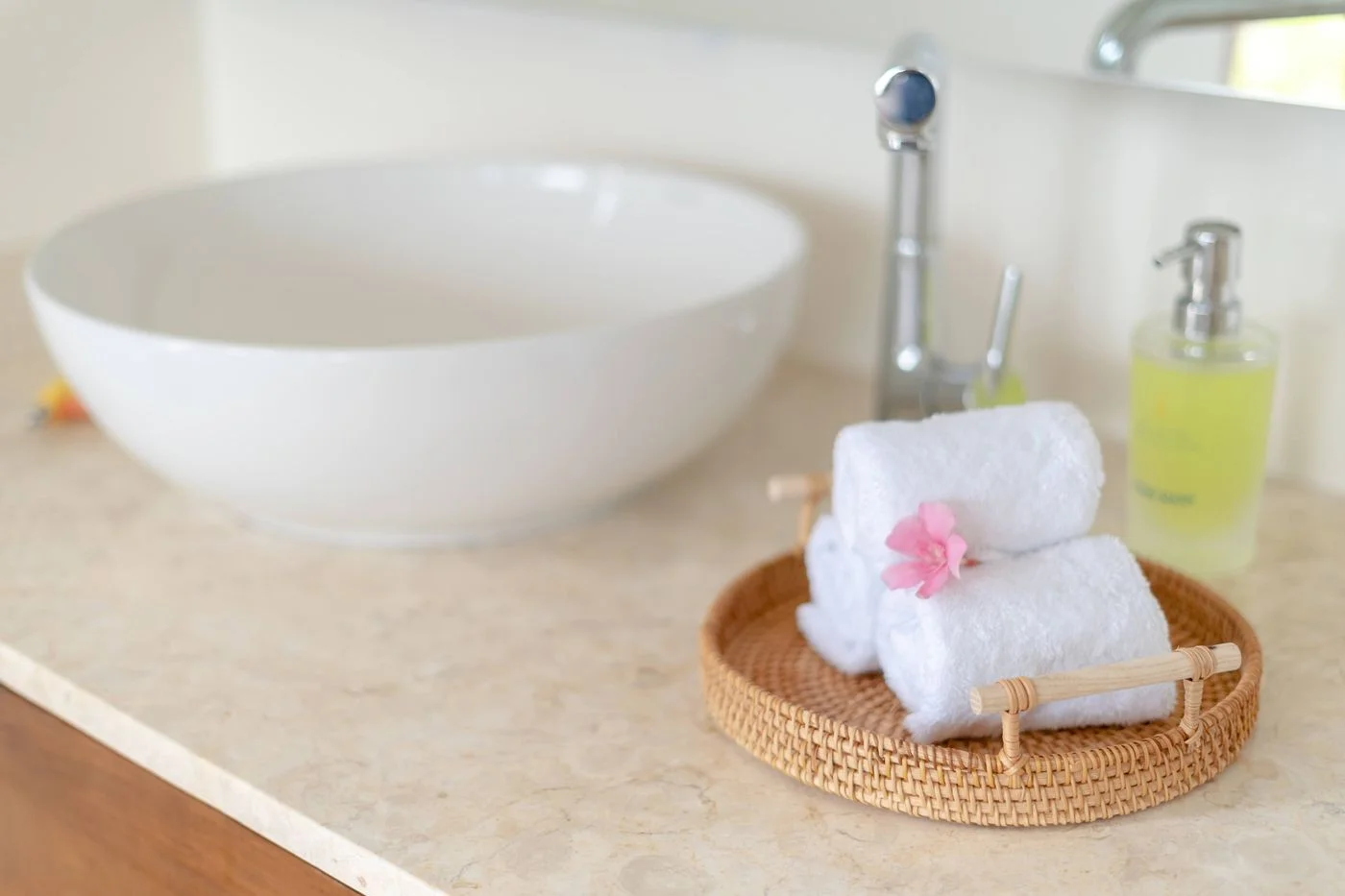
An Unhurried Evening at the Bathroom Sink
A comfortable evening routine starts with a usable sink, familiar products and a little less rushing.
Keep reading: An Unhurried Evening at the Bathroom Sink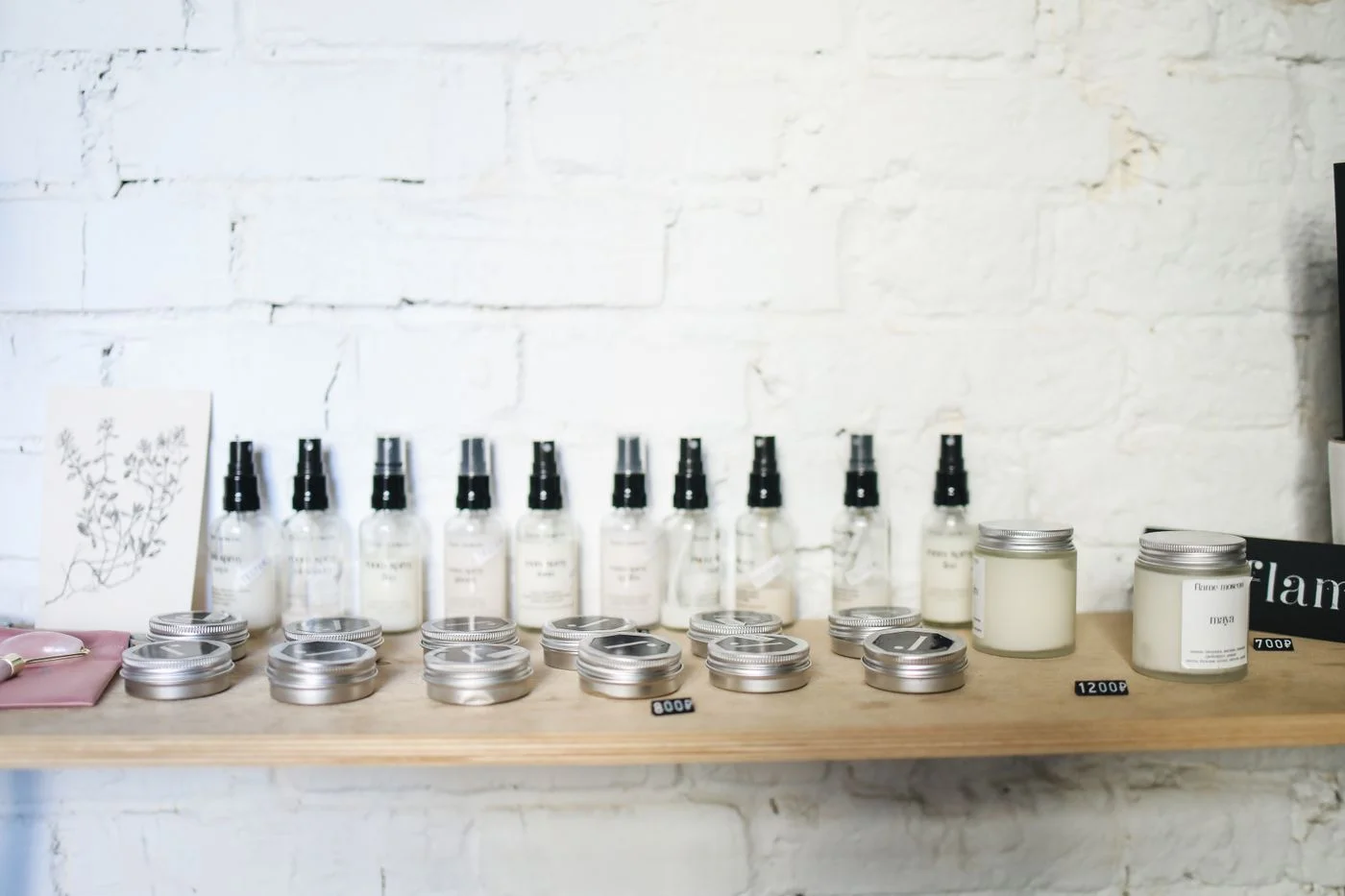
Setting Up a Small Beauty Shelf
Use the dimensions of your products and your daily movements to plan a beauty shelf that stays usable.
Keep reading: Setting Up a Small Beauty Shelf