How to Introduce One New Skin-Care Product
Give a new bottle a clear purpose and a separate place in your routine so that you can notice how it behaves.
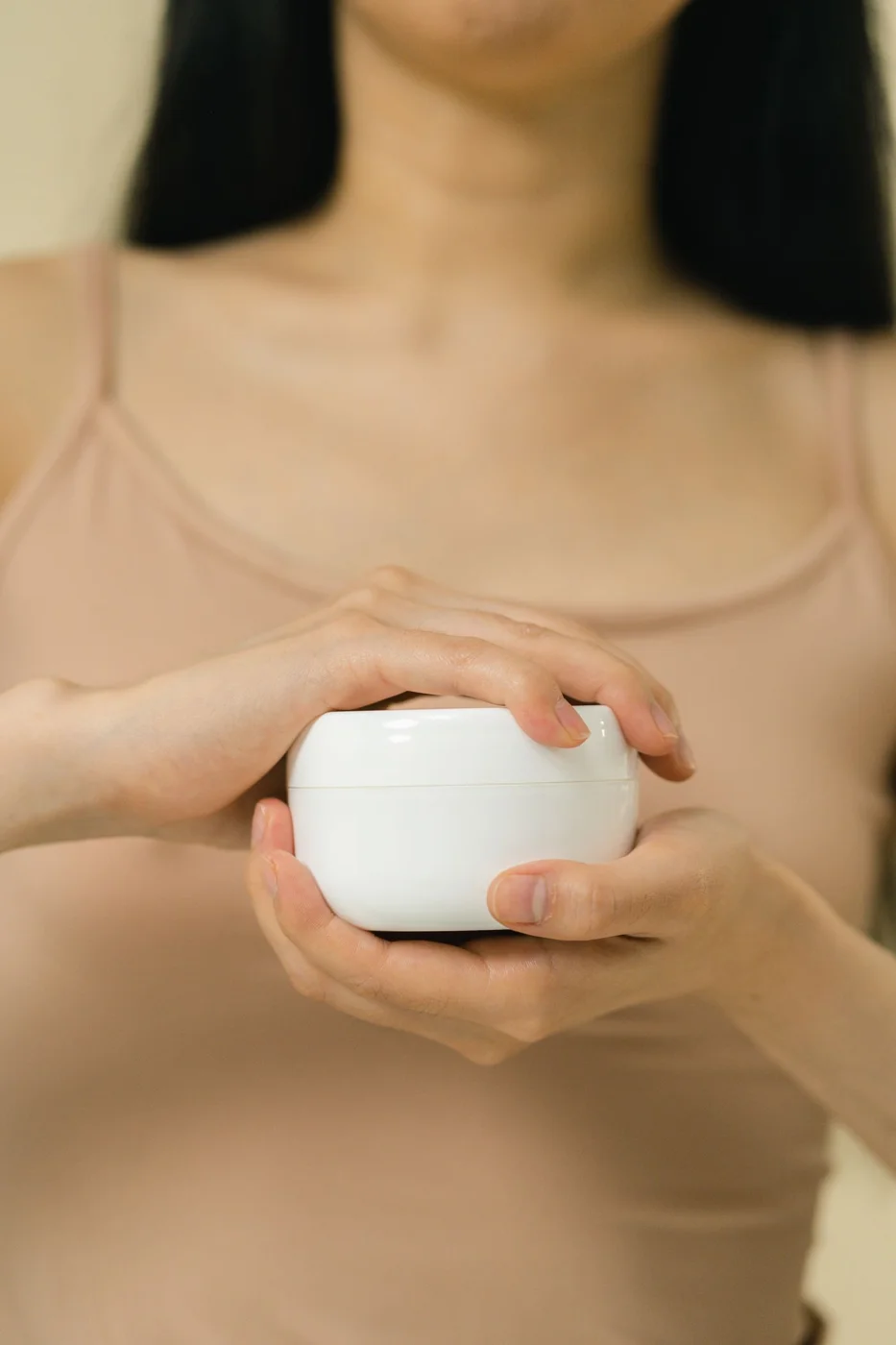
A new cleanser arrives on the same day as a serum sample and a face mask from a friend. Opening all three is tempting, but it makes any later change difficult to interpret. If your skin becomes uncomfortable, you will not know which product, combination, or change in technique mattered.
Before opening anything, write down why you bought it. “My cleanser is difficult to rinse” is a more useful starting point than “I need a better routine.” A concrete reason helps you decide what to observe and prevents a new product from quietly creating several new steps.
Read the instructions while the carton is still there
Find the intended area of use, application directions, warnings, and storage information. Check whether the product replaces something you already use or is intended as an additional step. Photograph the label if the bottle has tiny print or the important instructions appear only on the carton.
The AAD recommends testing a new product on a small area before wider use. Follow that guidance and the product's own directions. A home tolerance check can help identify an obvious problem; it cannot guarantee that a product will never cause a reaction.
Do not use an ordinary cosmetic trial to experiment with a prescription. If the new item is part of a treatment plan, ask the prescribing professional how it should fit with the products you already own.
Keep the surrounding routine familiar
Make the first wider use an ordinary day, not the morning of an event. Keep your usual cleansing technique and avoid adding another unfamiliar product at the same time. If the label provides a frequency, stay within it rather than assuming that a faster start gives faster results.
A brief note is enough: the date, the product used, and anything you noticed. Describe what happened instead of assigning a diagnosis. “My cheeks felt sore after washing” is more useful than writing that a product “destroyed my barrier,” especially if you later need help understanding the reaction.
Decide what would make you stop
You do not need to finish a bottle to justify the purchase. Stop using a cosmetic that causes a concerning reaction, and seek medical advice for persistent or significant symptoms. Do not continue just because a review says that discomfort proves it is working.
Also notice less dramatic problems. A bottle that leaks, a texture you constantly avoid, or instructions you cannot fit into your schedule may make the product a poor match even when it causes no skin reaction. That is useful information, not a failed routine.
When the product has had a fair trial appropriate to its intended use, decide whether it deserves a regular place. Keep the receipt and label details until then. The point of adding one thing at a time is to make that decision clearer, not to turn your bathroom shelf into a permanent experiment.
Continue exploring

A Gentle Cleansing Routine for Busy Evenings
Keep the evening wash manageable with a familiar cleanser, a light touch, and a place for everything you use.
Keep reading: A Gentle Cleansing Routine for Busy Evenings
Choosing a Moisturizer by Texture, Not Hype
Compare the feel, packaging, and place of a moisturizer in your day before focusing on the fashionable ingredient on the front.
Keep reading: Choosing a Moisturizer by Texture, Not Hype