Choosing a Moisturizer by Texture, Not Hype
Compare the feel, packaging, and place of a moisturizer in your day before focusing on the fashionable ingredient on the front.
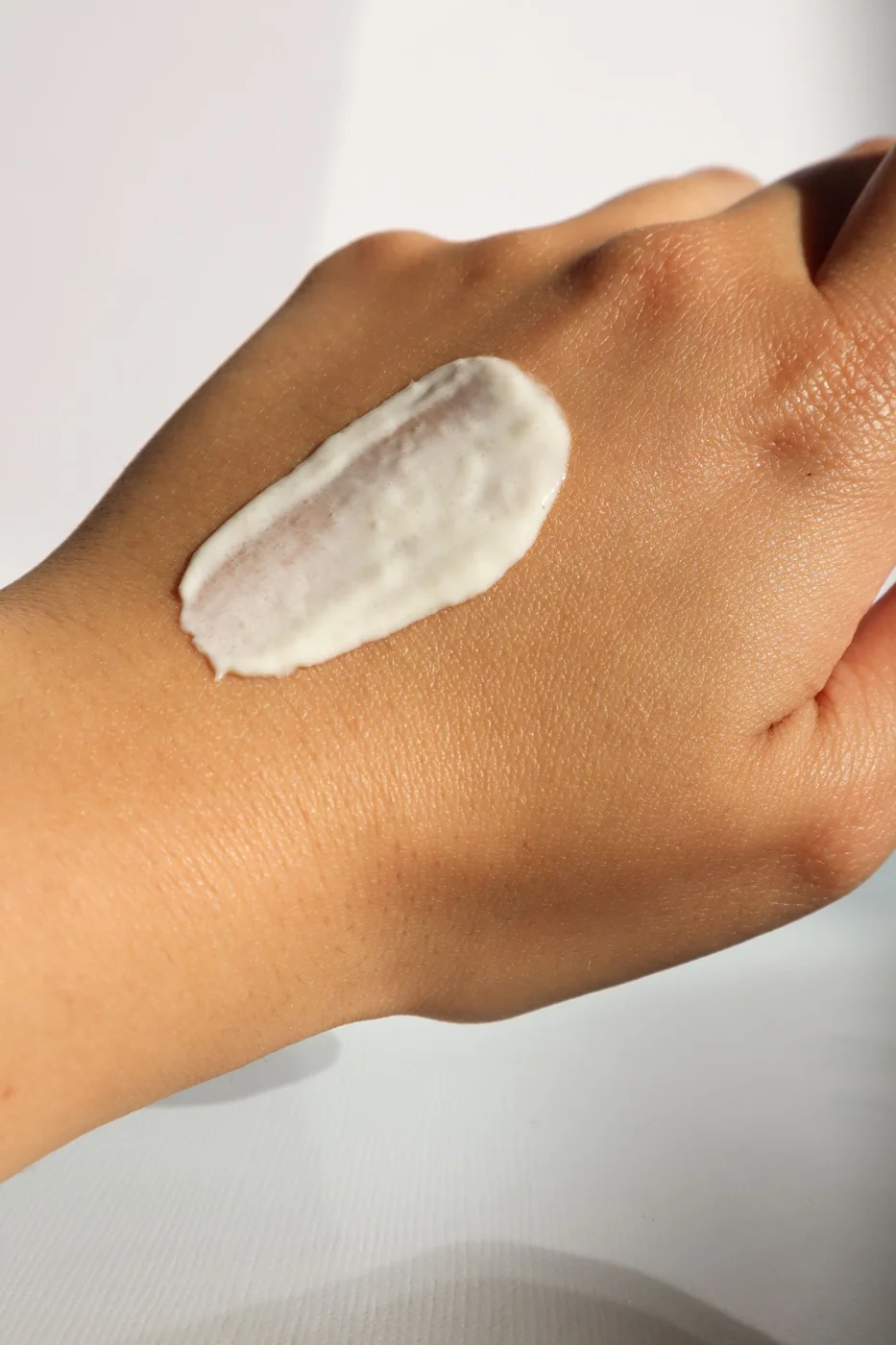
Two moisturizers can promise much the same thing and feel completely different on your face. One spreads like a light lotion; another leaves a richer layer that you notice for hours. That difference matters when you are trying to choose something you will comfortably use under makeup, after a shower, or before bed.
Start with the product you already own. Does it leave your skin comfortable? Do you avoid it because it feels sticky? Does the pump dispense far more than you need? These observations are more useful than deciding that a texture is good or bad because it is currently fashionable.
Translate the texture words
The American Academy of Dermatology explains moisturizer formats as a useful starting point: gels tend to be lighter, while creams and ointments are richer options commonly considered for dry skin. These are broad categories, not a prediction of how every formula will feel.
Read the actual description and directions. A gel-cream may sit somewhere between familiar formats, and two products called a lotion may have quite different finishes. If there is a hygienic sample available, use it to assess spreading and feel rather than treating the store lighting as evidence of a lasting result.
Think about the next thing you do
An evening moisturizer does not have to behave exactly like one you use before applying foundation. If your morning routine already contains several layers, another rich product may make the sequence feel cumbersome. On the other hand, a very light texture that leaves dry areas uncomfortable is not automatically a better daytime choice.
Choose one context for the trial. For example, use the new moisturizer as directed in your normal evening routine without simultaneously changing the cleanser. Notice comfort after application and later in the evening. This does not turn a home trial into a clinical test, but it reduces the number of moving parts.
Packaging is part of that everyday experience. A tube that closes securely may suit a small shared bathroom. A pump may be easier to use with one hand. A wide jar requires care to keep the contents and any applicator clean. None of these formats proves that the contents will suit your skin.
Let comfort settle the shortlist
The ingredient highlighted on the front should not distract you from a product you dislike using. Compare the full directions, known ingredients you need to avoid, container size, and cost of replacement. A moisturizer does not become essential simply because it contains an ingredient missing from your shelf.
If ordinary products repeatedly burn or your skin remains persistently dry, seek individual advice rather than cycling through increasingly elaborate formulas. A useful moisturizer earns its place by fitting your skin and routine, not by making the largest collection of promises.
Continue exploring

A Gentle Cleansing Routine for Busy Evenings
Keep the evening wash manageable with a familiar cleanser, a light touch, and a place for everything you use.
Keep reading: A Gentle Cleansing Routine for Busy Evenings
How to Introduce One New Skin-Care Product
Give a new bottle a clear purpose and a separate place in your routine so that you can notice how it behaves.
Keep reading: How to Introduce One New Skin-Care Product