Reading a Sunscreen Label Without the Guesswork
Find the protection claim, water-resistance period, and application directions before choosing a sunscreen by texture.
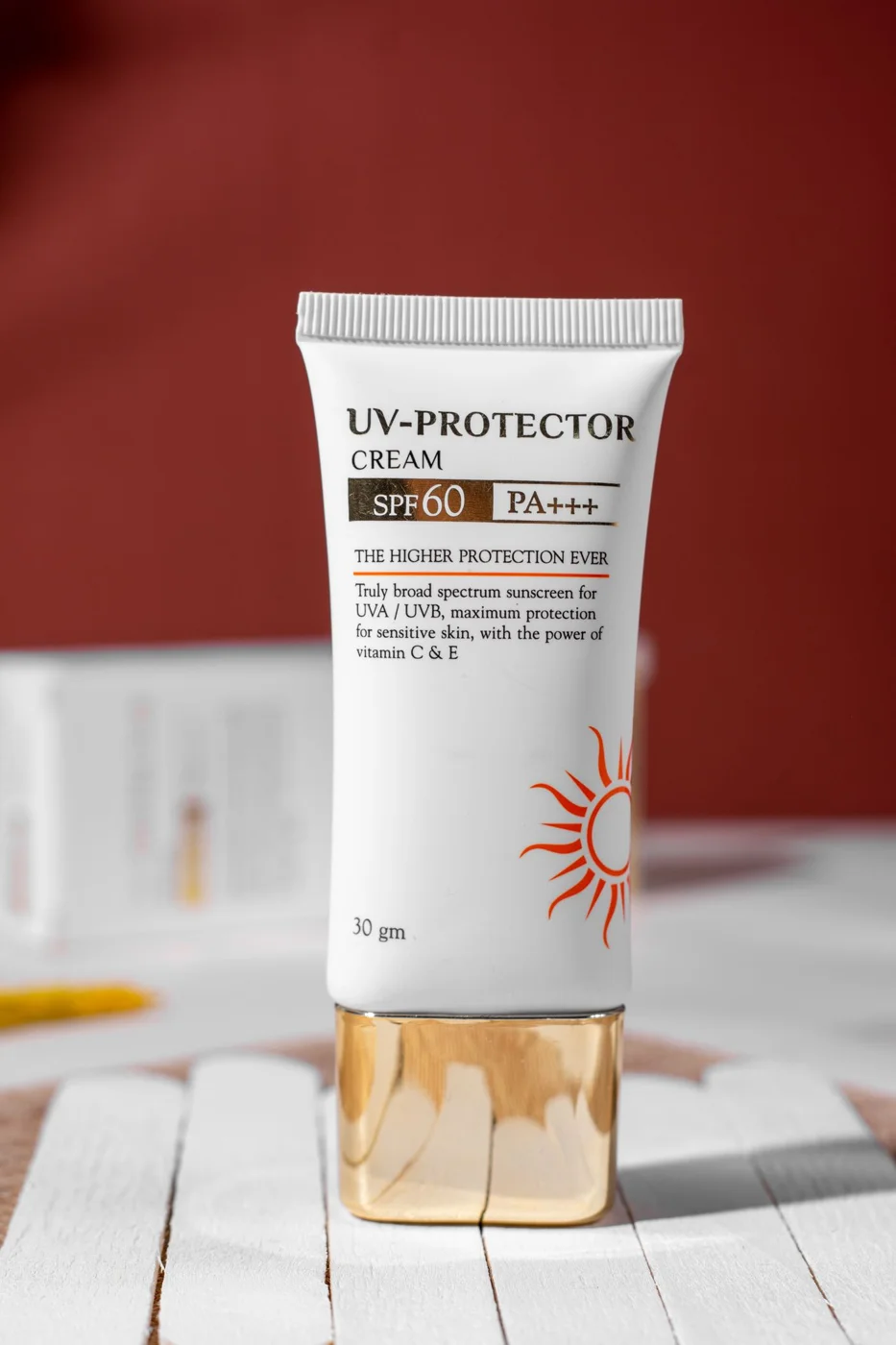
The front of a sunscreen package is often crowded: a large SPF number, a finish description, an ingredient claim, and a promise about how it will sit under makeup. Turn the container around before deciding. The directions and Drug Facts panel explain how the product is intended to be used; the attractive front label cannot carry all of that information.
It helps to separate three questions. What protection does the label claim? What activities is the formula intended to accommodate? Can you use it as directed in the day you actually have planned? These questions are related, but one does not answer the others.
Read the protection language together
Broad spectrum refers to protection against both UVA and UVB radiation. SPF is not a countdown telling you how many hours you can remain outside. Dermatology guidance commonly recommends a broad-spectrum sunscreen of SPF 30 or higher alongside shade and protective clothing. A larger printed number does not remove the need to follow the application instructions.
Check the water-resistance statement separately. The FDA explains that water-resistant sunscreens state a tested period of 40 or 80 minutes for swimming or sweating. “Water resistant” does not mean waterproof, and towel drying or other activities can create a need to reapply according to the label.
Plan for the whole day
Imagine the product in use. A bottle that works well on a bathroom shelf may be awkward to carry on a walk. A small facial product may not be enough for exposed arms and legs. Consider where the container will be when you need to reapply rather than assuming that a morning application completes the job.
Keep the label available when decanting is tempting. Moving sunscreen into an unmarked jar can separate it from its directions and make the amount, age, and storage history harder to track. For a bag or trip, a properly labelled size is easier to manage.
Texture still matters because a product you dislike may be one you avoid. However, texture comparisons should happen after you have checked the protection claims and instructions. Do not compensate for an unpleasant feel by applying much less than directed.
Check the bottle you already own
Look for an expiration date, a legible label, and signs that the package has been damaged or stored badly. If you cannot establish its age or suitability, ask the manufacturer or replace it rather than guessing. A half-full bottle from an unknown summer is not a reliable backup plan.
Skin conditions, previous reactions, and medication instructions may affect your choice. Bring those questions to a pharmacist or dermatologist. Selecting sunscreen is easier when the label is treated as operating information, with the finish and packaging used to choose between otherwise suitable options.
Continue exploring

A Gentle Cleansing Routine for Busy Evenings
Keep the evening wash manageable with a familiar cleanser, a light touch, and a place for everything you use.
Keep reading: A Gentle Cleansing Routine for Busy Evenings
Choosing a Moisturizer by Texture, Not Hype
Compare the feel, packaging, and place of a moisturizer in your day before focusing on the fashionable ingredient on the front.
Keep reading: Choosing a Moisturizer by Texture, Not Hype