A Closer Look at Cream and Gel Cleansers
The format gives you a clue about feel, but the full formula and directions tell you more about everyday use.
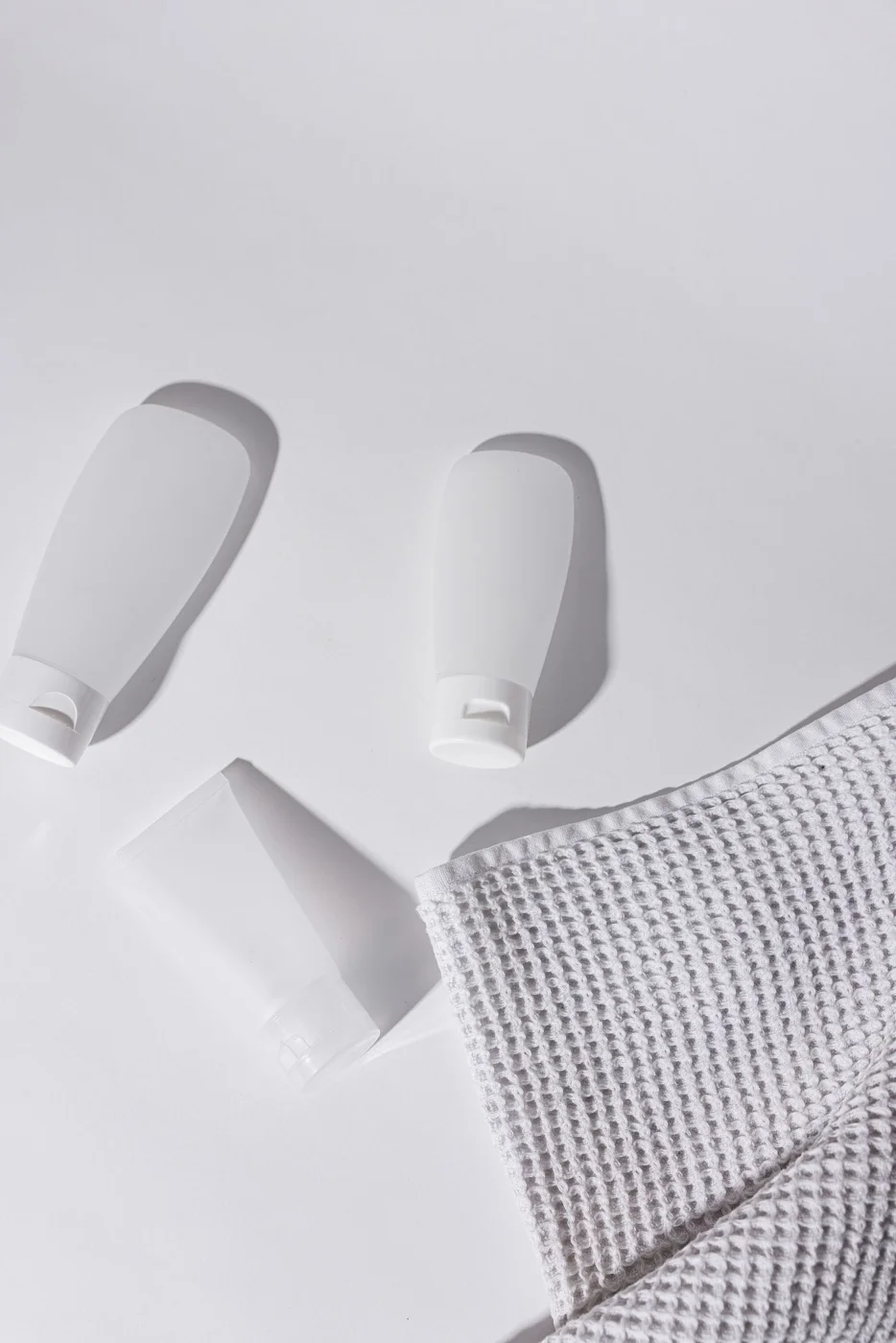
Cream and gel cleansers can look as though they belong to entirely different routines. One may feel cushiony in your hands while the other spreads in a light, slippery layer. Those sensory differences can guide preference, but they do not tell you everything about how a cleanser will behave on your skin.
A product's name is a broad description, not a complete ingredient or performance standard. A cream cleanser is not automatically suitable for every dry face, and a gel is not automatically harsh. The formula, method of use, and your own tolerance still matter.
Compare the instructions before the texture
Check whether the product goes onto wet or dry skin, whether it removes makeup, and how it should be rinsed or removed. Some cream-textured products are intended to be wiped away; others are rinse-off washes. Follow the specific directions rather than importing the method from the last product you owned.
Look for active ingredients or warnings that make it more than a straightforward everyday cleanser. An exfoliating gel and a simple cleansing gel may have similar appearances but different instructions. If you already use a treatment, consider that overlap before buying.
Try a realistic comparison
Choose a normal day rather than testing both products repeatedly in one evening. Keep the rest of your routine familiar and note how easily each product spreads and rinses. Comfort after washing is more useful than the amount of foam or how dramatic the texture looks in a video.
Packaging can affect your preference. A thick cream may be difficult to dispense from a nearly empty pump. A runny gel may leak from a poorly closing travel bottle. Think about the final third of the container as well as the first attractive application.
If you wear makeup, judge removal separately from your preference for texture. A cleanser you enjoy using may still need an appropriate remover for a particular long-wear product. That does not mean it has failed at every job; it means the routine needs a clear division of tasks.
Keep the choice personal and limited
There is no need to identify one format as the universal winner. The relevant question is which product you can use comfortably and as directed. Price, availability, fragrance preferences, and ease of handling belong in that decision too.
If both leave your skin sore or repeatedly uncomfortable, stop making texture the only variable and seek advice. A different label category is not always the solution. For an ordinary purchase, the best comparison is between complete products in your real routine, rather than between the words “cream” and “gel” on their own.
Continue exploring

A Gentle Cleansing Routine for Busy Evenings
Keep the evening wash manageable with a familiar cleanser, a light touch, and a place for everything you use.
Keep reading: A Gentle Cleansing Routine for Busy Evenings
Choosing a Moisturizer by Texture, Not Hype
Compare the feel, packaging, and place of a moisturizer in your day before focusing on the fashionable ingredient on the front.
Keep reading: Choosing a Moisturizer by Texture, Not Hype