Does Your Skin Need a Separate Toner?
Identify the job of the toner you are considering instead of treating the word as an essential step in every routine.
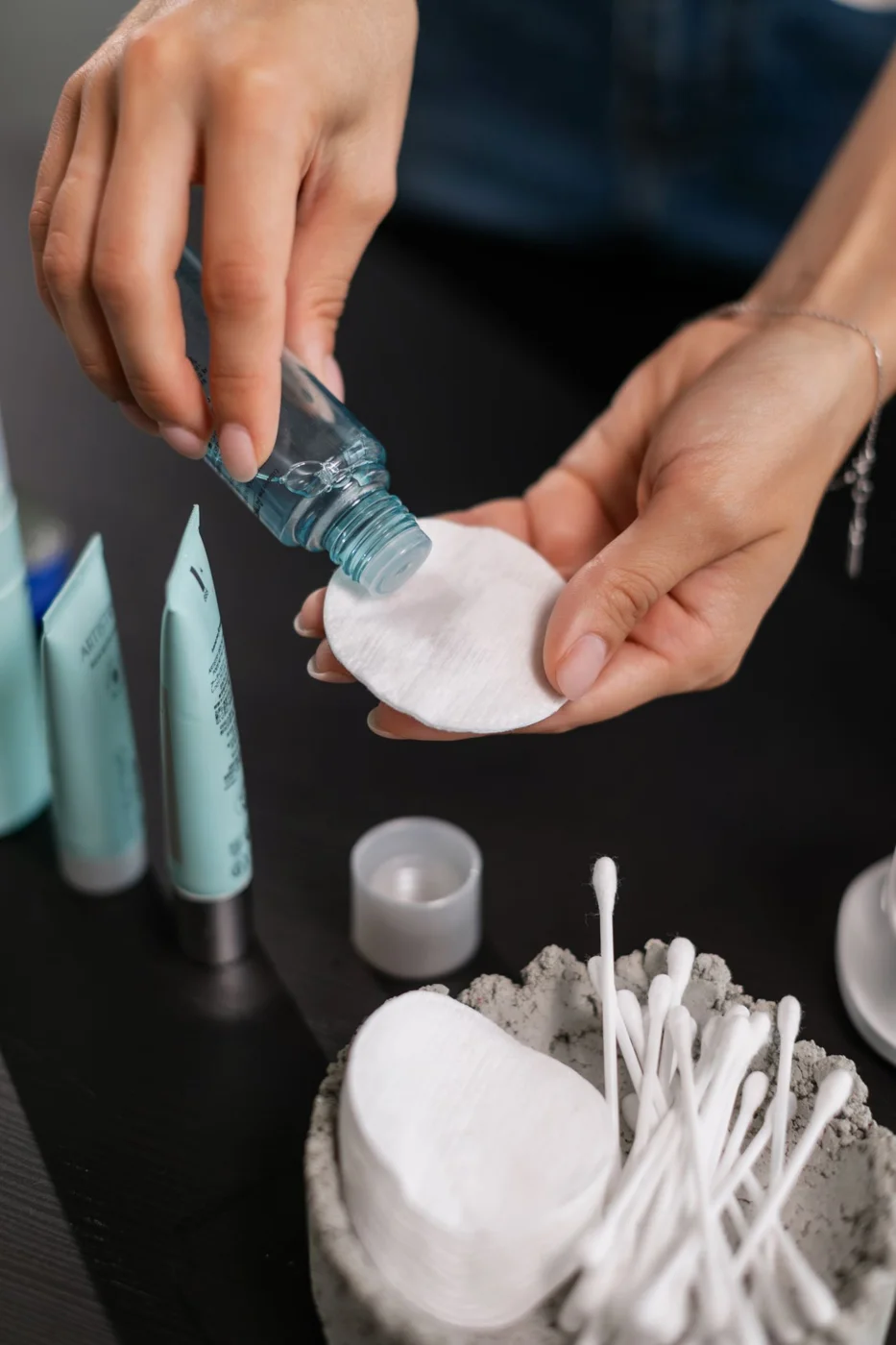
Toner is a broad product name. One bottle may be a light hydrating liquid, another may contain an exfoliating ingredient, and another may be marketed for oil control. Asking whether you “need toner” is therefore less useful than asking what a particular toner would add to your existing routine.
If your cleanser, moisturizer, and daytime sun protection are working comfortably, the absence of a toner is not automatically a gap. The Cleveland Clinic's discussion of product order distinguishes the basic routine from optional additions and warns that more products can mean more opportunities for irritation.
Look for an actual unmet purpose
Read the formula's directions and claims. Does it offer a function you already get from another product? An exfoliating toner can overlap with an exfoliating cleanser or separate treatment even though the names look different. A hydrating toner may add a texture you enjoy, but enjoyment is different from necessity.
Think about the practical cost of the step. It needs time, storage, and replacement. If you often abandon the routine halfway through, adding another bottle may not help you follow the steps that matter more to you.
Make optional mean optional
You can enjoy using a toner without presenting it as something everybody must buy. Likewise, choosing not to use one does not mean your routine is incomplete. Product categories are useful shopping labels, not compulsory positions in a fixed sequence.
If you decide to try a toner, introduce it separately and follow the directions. Check whether it is leave-on or rinse-off, where it can be applied, and whether its active ingredients affect how it fits with existing treatment. Do not assume every liquid toner can be used several times a day.
Avoid judging it solely by a refreshing, cooling, or tingling sensation. Comfort during and after use matters more than a dramatic immediate feeling. Stop a cosmetic that produces a concerning reaction and get advice if symptoms persist.
At the end of the trial, ask a simple question: does this particular bottle make the routine more useful or more enjoyable without creating a problem? If the answer is unclear, you do not need to keep the step merely because it appears in a familiar skin-care diagram.
Continue exploring

A Gentle Cleansing Routine for Busy Evenings
Keep the evening wash manageable with a familiar cleanser, a light touch, and a place for everything you use.
Keep reading: A Gentle Cleansing Routine for Busy Evenings
Choosing a Moisturizer by Texture, Not Hype
Compare the feel, packaging, and place of a moisturizer in your day before focusing on the fashionable ingredient on the front.
Keep reading: Choosing a Moisturizer by Texture, Not Hype