Face Oils and Moisturizers Serve Different Jobs
Compare complete formulas and intended use before deciding that a facial oil can replace your usual moisturizer.
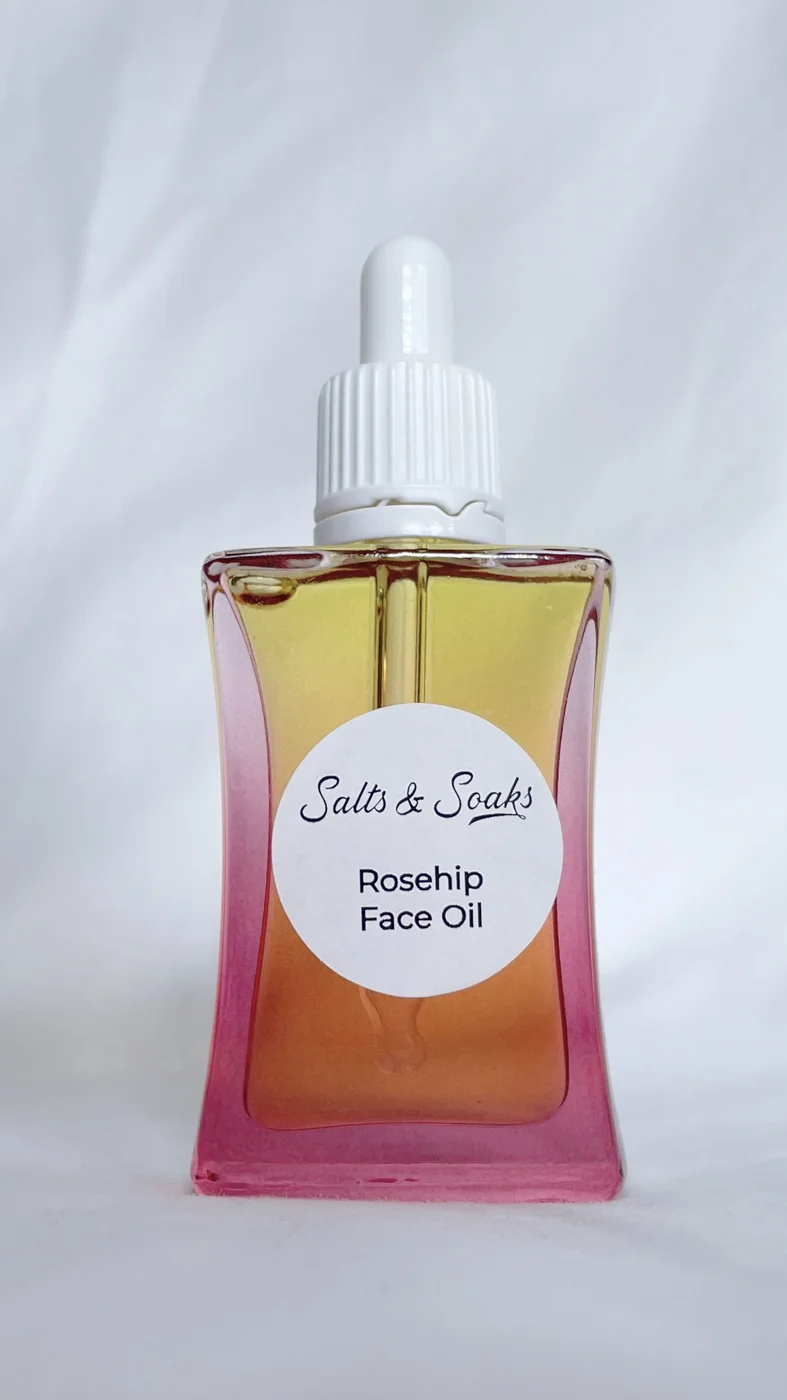
A facial oil can feel rich and leave a visible sheen, but richness alone does not make it interchangeable with every moisturizer. Many moisturizers combine several kinds of ingredients in one formula, while an oil-focused product may offer a different experience and purpose.
This distinction matters when you are trying to simplify. Replacing a cream with an oil because both are described as nourishing may change more than the texture. Read the product's intended use and consider whether it is presented as a separate finishing step, a massage product, or a substitute for something you currently use.
Judge the complete product
Do not assume a familiar plant name predicts how the formula will suit your face. The product may contain fragrance or other ingredients, and the way it behaves depends on more than the headline oil. An ingredient that sounds natural is not automatically free from irritation or allergy concerns.
If your current moisturizer is comfortable, identify a reason before replacing it. Perhaps you want a different finish or a product for a specific occasional use. An oil does not need to be added merely because it looks appealing in a photograph of an evening routine.
Use the label's directions, including the intended area and amount. Avoid applying an oil over a prescribed treatment without checking whether that is appropriate. Layering changes the routine, even if the added product feels simple.
Consider what happens afterward
A product that feels pleasant before bed may be inconvenient under makeup or on a pillowcase. Notice whether it transfers, makes a tool slippery, or encourages you to use more cleanser later. Those are useful details when deciding where it belongs.
Keep the container and any dropper clean. Avoid touching the tip to your face and then returning it to the bottle. Follow the storage and opening-period instructions rather than assuming an oil cannot change with time.
If dry or uncomfortable skin is the reason for the purchase, do not let the finish of an oil distract from persistent symptoms. A dermatologist can help identify what kind of care is needed when a sequence of cosmetic substitutions has not helped.
You may decide that an oil has a limited enjoyable role, that a moisturizer already meets your needs, or that neither current product is comfortable. The useful decision comes from the formula's purpose and your experience, not from treating all rich-feeling products as the same thing.
Continue exploring

A Gentle Cleansing Routine for Busy Evenings
Keep the evening wash manageable with a familiar cleanser, a light touch, and a place for everything you use.
Keep reading: A Gentle Cleansing Routine for Busy Evenings
Choosing a Moisturizer by Texture, Not Hype
Compare the feel, packaging, and place of a moisturizer in your day before focusing on the fashionable ingredient on the front.
Keep reading: Choosing a Moisturizer by Texture, Not Hype