How to Avoid Turning Every Blemish into an Experiment
Give a coherent routine a chance and separate persistent acne concerns from the temptation to try something new each evening.
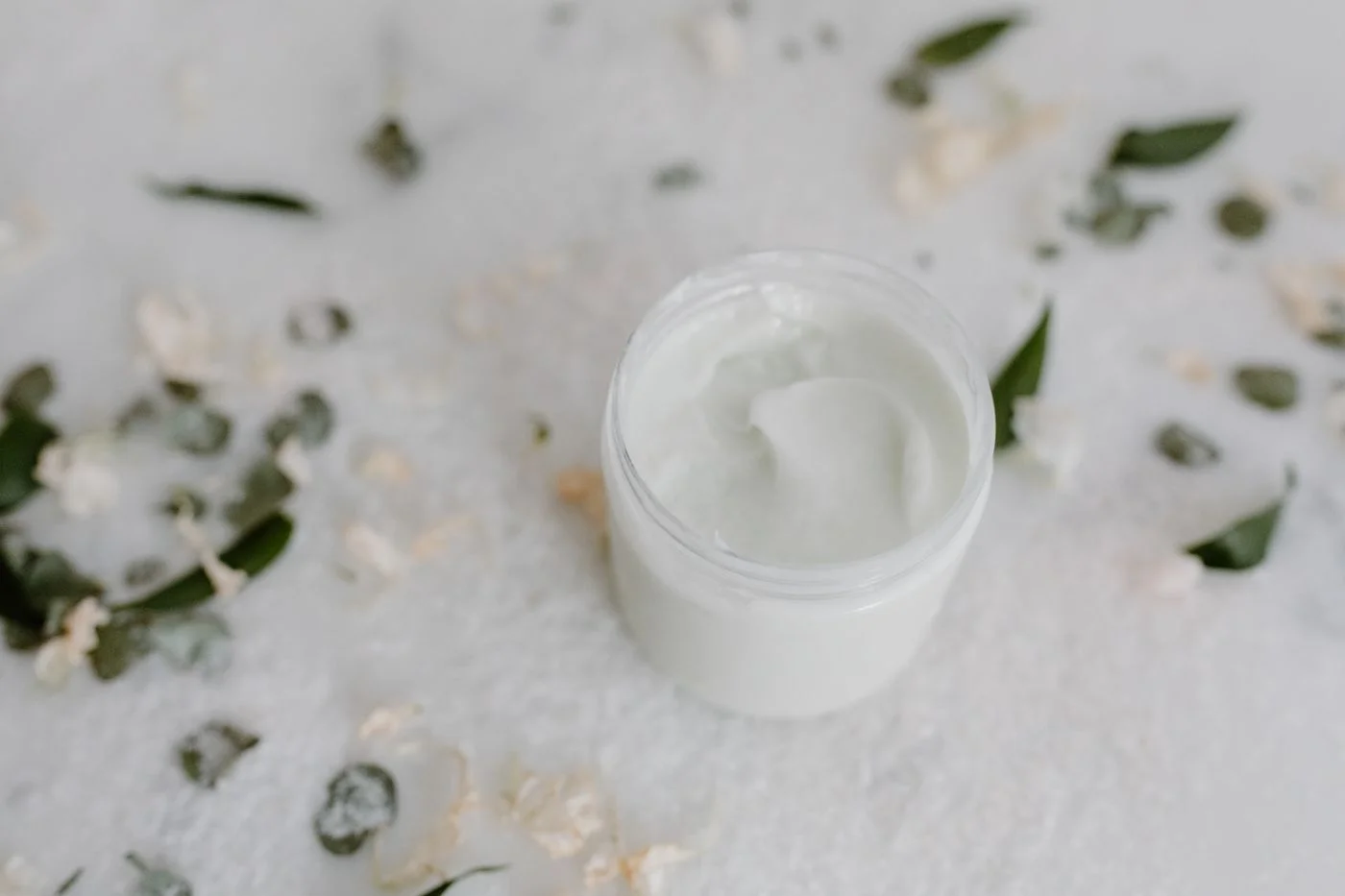
One unexpected blemish can prompt a surprising amount of activity: a new spot product, a scrub, a clay mask, and several searches for an ingredient you did not own yesterday. By the next evening, the routine may bear little resemblance to the one you started with.
That pace makes it difficult to understand what is happening. The AAD identifies frequently switching acne treatments as an unhelpful habit. Treatment takes an appropriate amount of time, and persistent acne may need professional guidance rather than a new cosmetic every few days.
Describe the concern before buying
Notice whether this is an occasional spot, a recurring pattern, or a problem that is painful, leaving marks, or affecting you significantly. You do not need to diagnose the type of acne to explain those observations to a clinician.
Write down the products already being used on the area. Include makeup, hair products that touch the face, exfoliants, and cleansing tools. A bottle labelled a toner may still contribute an active ingredient, so product categories alone can conceal overlap.
If you are following a treatment plan, use it as directed and ask before adding new treatments. Do not double an amount to catch up after a missed application or assume that more frequent use will shorten the process.
Make a pause part of the routine
When you feel the urge to try something new, save the product details instead of ordering immediately. Review them later against the purpose of your existing routine. You may discover that the proposed purchase duplicates a product you already have.
Keep hands and picking tools away from the blemish. An urge to make the surface look different immediately is not the same as a useful care decision. Avoid improvised extraction or harsh household remedies.
Photographs taken in similar lighting can help you record a pattern for a professional conversation, but constant close-up inspection can also make ordinary changes feel more urgent. Use a record for a defined purpose rather than checking repeatedly throughout the day.
Seek a dermatologist's advice when acne persists, is painful, causes scarring, or leaves you unsure what to use. The goal is a coherent approach you can follow. A growing drawer of half-used spot treatments is evidence of many purchases, not necessarily of a clearer plan.
Continue exploring

A Gentle Cleansing Routine for Busy Evenings
Keep the evening wash manageable with a familiar cleanser, a light touch, and a place for everything you use.
Keep reading: A Gentle Cleansing Routine for Busy Evenings
Choosing a Moisturizer by Texture, Not Hype
Compare the feel, packaging, and place of a moisturizer in your day before focusing on the fashionable ingredient on the front.
Keep reading: Choosing a Moisturizer by Texture, Not Hype