How to Keep a Skin-Care Diary
A few consistent observations can be more useful than a complicated tracker filled with ratings you cannot interpret.
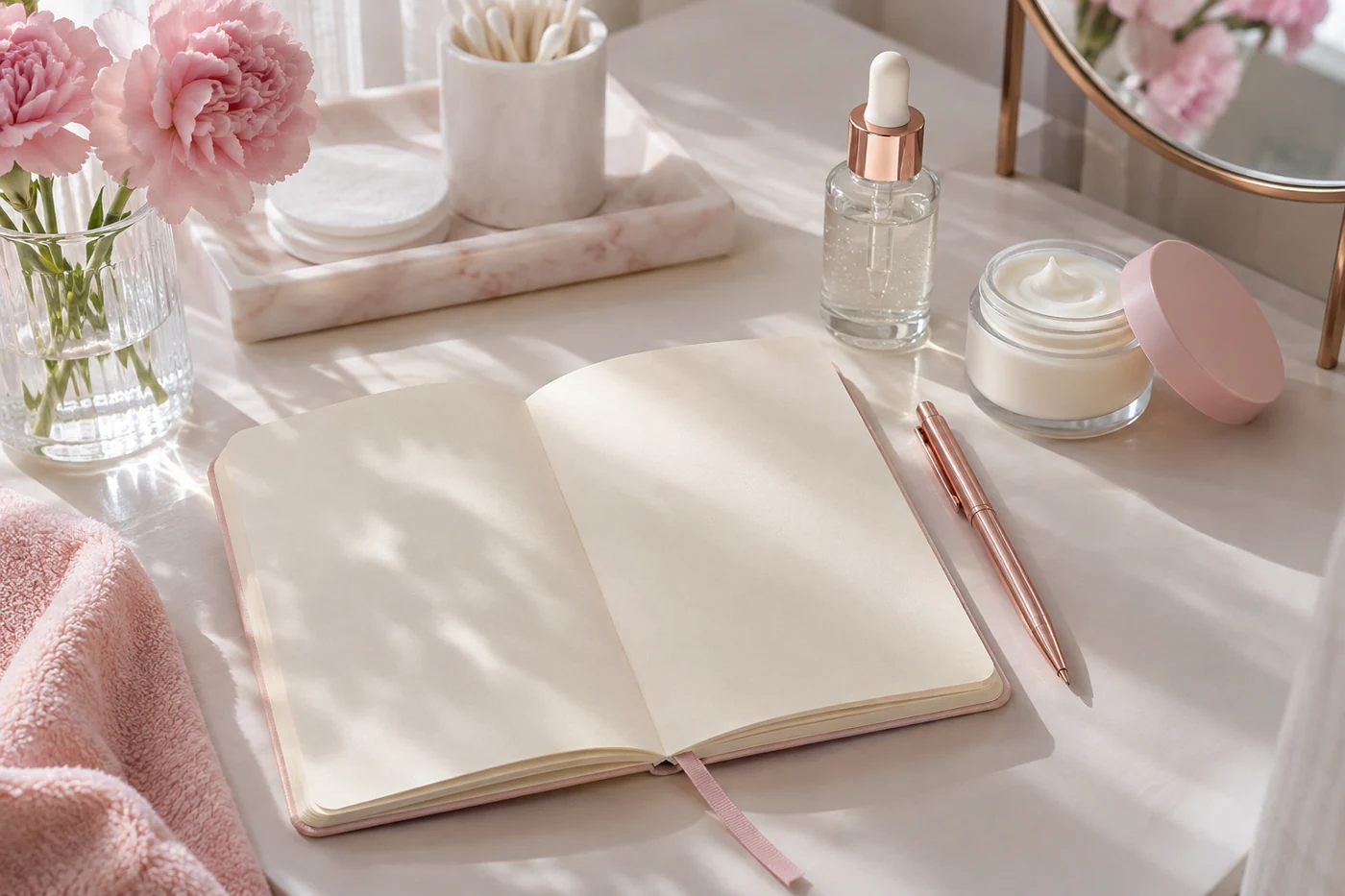
A skin-care diary is useful when it answers a real question. Perhaps a moisturizer is comfortable in the evening but awkward under makeup, or you cannot remember when you opened the bottle that now looks different. A record can preserve those details without asking you to score every pore or photograph your face all day.
Choose one place for the notes. A small notebook, a private document, or an ordinary phone note is enough. You do not need to create an account with a new app merely to record what is already on your bathroom shelf.
Begin with a baseline you can recognize
List the products you currently use, including their full names. Add the approximate time of day and the ordinary method of application. If a clinician gave you a treatment schedule, record it accurately and keep it separate from optional cosmetic steps.
Note the concern you actually want to understand. “Foundation gathers around my nose after lunch” describes a useful observation. “My skin is bad” does not tell you what changed or what a better outcome would look like.
Keep the initial record short enough that you will read it again. A complicated spreadsheet with dozens of columns can become an exercise in filling cells rather than noticing anything meaningful.
Record changes, not an invented experiment
When you add a product, note the date and what it replaces. If you also change the cleanser, start a new makeup product, and spend a weekend outdoors, include those facts rather than treating the new serum as the only possible explanation for a change.
Use plain descriptions: comfortable, sticky, difficult to rinse, sore after application, or visible flaking. A number from one to ten is less useful unless you know exactly what the numbers mean to you. Even then, the accompanying description carries much of the value.
A brief entry might read: “Tuesday evening: used the new cream after my usual wash. Felt comfortable at bedtime. Pump gave more than I wanted.” Another might say: “Thursday morning: same cream under foundation; product rolled into small flakes near the jaw.” These are examples of recording, not conclusions about why something happened.
Use photographs carefully
If photographs help, take them in similar ordinary lighting without filters. Record the date and avoid interpreting a change in exposure, angle, or facial expression as proof of a result. Pictures can help you communicate a visible concern, but they do not diagnose a condition.
Think about privacy before storing close-up images in a shared folder or third-party app. Keep only what you need and review the permissions of any service you use. A written note is often sufficient for questions about texture, packaging, and routine convenience.
Review with a purpose
After an appropriate interval, look back at the question you started with. Did the new product solve the practical issue? Is the routine easier to follow? Are there symptoms that deserve a professional opinion rather than another cosmetic trial?
Bring a concise summary to an appointment instead of expecting someone to interpret months of unorganized entries. Include product names and the timing of symptoms. The diary's job is to improve recall and conversation. It should make care less confusing, not make you monitor every normal change in your face.
Continue exploring

A Gentle Cleansing Routine for Busy Evenings
Keep the evening wash manageable with a familiar cleanser, a light touch, and a place for everything you use.
Keep reading: A Gentle Cleansing Routine for Busy Evenings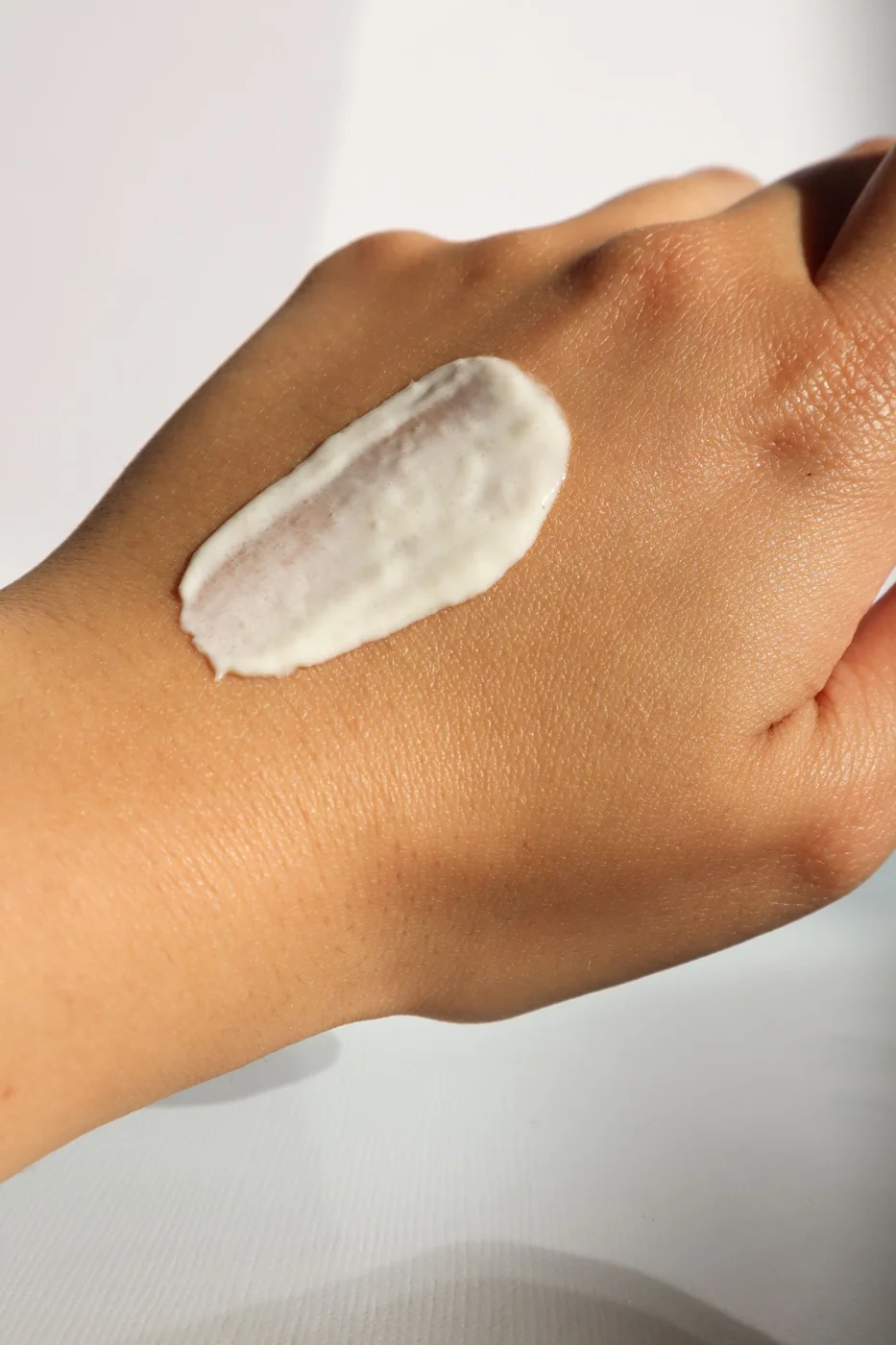
Choosing a Moisturizer by Texture, Not Hype
Compare the feel, packaging, and place of a moisturizer in your day before focusing on the fashionable ingredient on the front.
Keep reading: Choosing a Moisturizer by Texture, Not Hype