How to Pack a Leak-Resistant Toiletry Bag
Contain liquids, protect closures and leave room to inspect your kit before it goes into a suitcase.
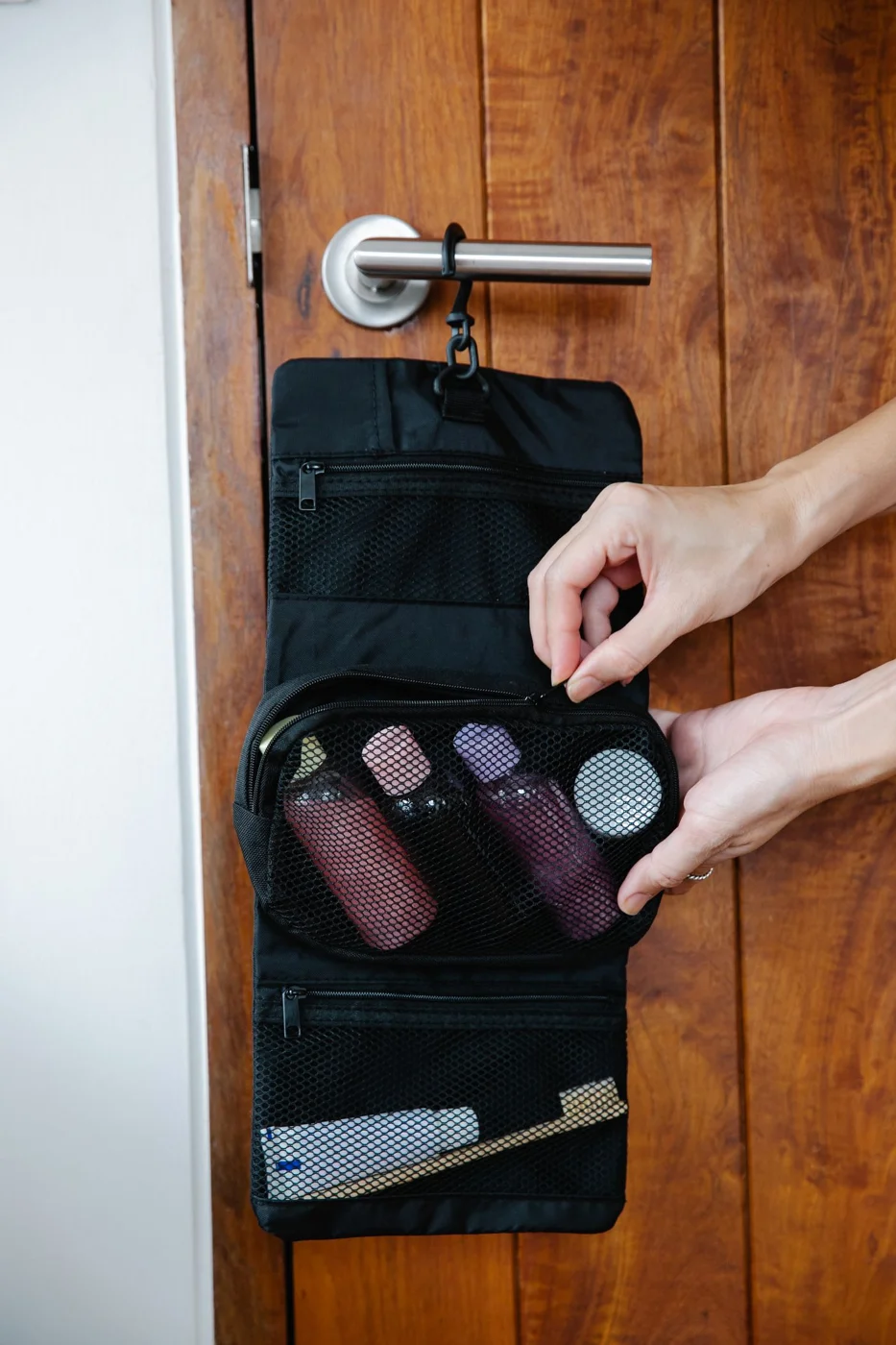
A leak-resistant toiletry bag is a system, not just a waterproof lining. The container, cap, product and packing pressure all matter. A tightly packed bag can force a pump open or bend a tube even when every item looked secure on the bathroom shelf.
Check the original container first
Close lids firmly and inspect hinges, threads and seals for damage. Use a supplied travel lock or cap where available. A pump that twists into a locked position may still need protection from pressure, so do not assume the lock makes it suitable to pack loose among heavy items.
Keep products in original packaging when their directions, stability or dispensing system make that necessary. Decanting is not appropriate for every formula. If you use a refillable container, check material compatibility and keep it clearly labeled. Do not transfer cosmetics into a container that could be mistaken for food or medicine.
Group liquids without overcrowding
Use a suitable secondary pouch or compartment to contain a small leak. Keep dry brushes, cotton rounds and paper packaging separate. A lining can reduce the spread of a spill, but it still needs cleaning and drying afterward.
Leave space around closures rather than compressing the bag until the zip barely closes. Pack rigid bottles so they cannot repeatedly strike a fragile mirror. Protect any electronic tool according to its manual and keep charging accessories away from liquid products.
Do a short packing rehearsal
Place the bag in the orientation it will have inside your luggage and check that items remain supported. Gently moving the closed bag can reveal a bottle that falls sideways or a cap that catches on another object. It cannot guarantee a leak will never happen, but it can expose obvious problems before departure.
For air travel, check current transport rules for liquids and batteries with the relevant security authority and airline. Container size, placement and battery type may affect what belongs in a carry-on bag. Do not rely on an old packing list for every journey.
Unpack promptly
On arrival, inspect the bag before setting it on bedding or other absorbent surfaces. Remove any wet items, clean residue appropriately and allow the bag to dry. Do not leave damp applicators sealed inside it for the whole trip.
After returning home, refill or replace only what the next trip needs. A bag left permanently packed with old products can hide leaks, missing labels and forgotten opening dates. A quick inspection is more useful than buying another layer of pouches to surround an already crowded kit.
Continue exploring
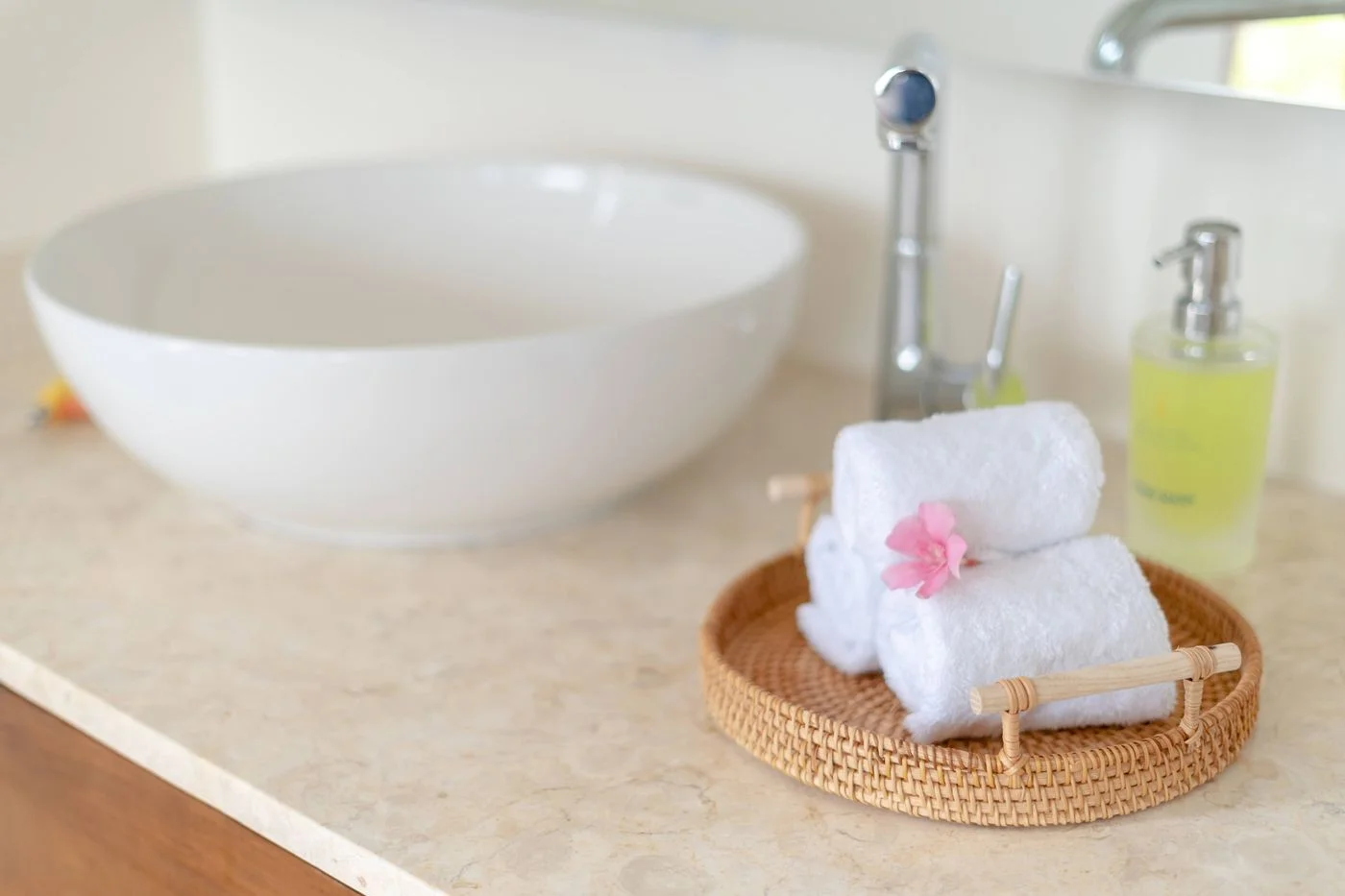
An Unhurried Evening at the Bathroom Sink
A comfortable evening routine starts with a usable sink, familiar products and a little less rushing.
Keep reading: An Unhurried Evening at the Bathroom Sink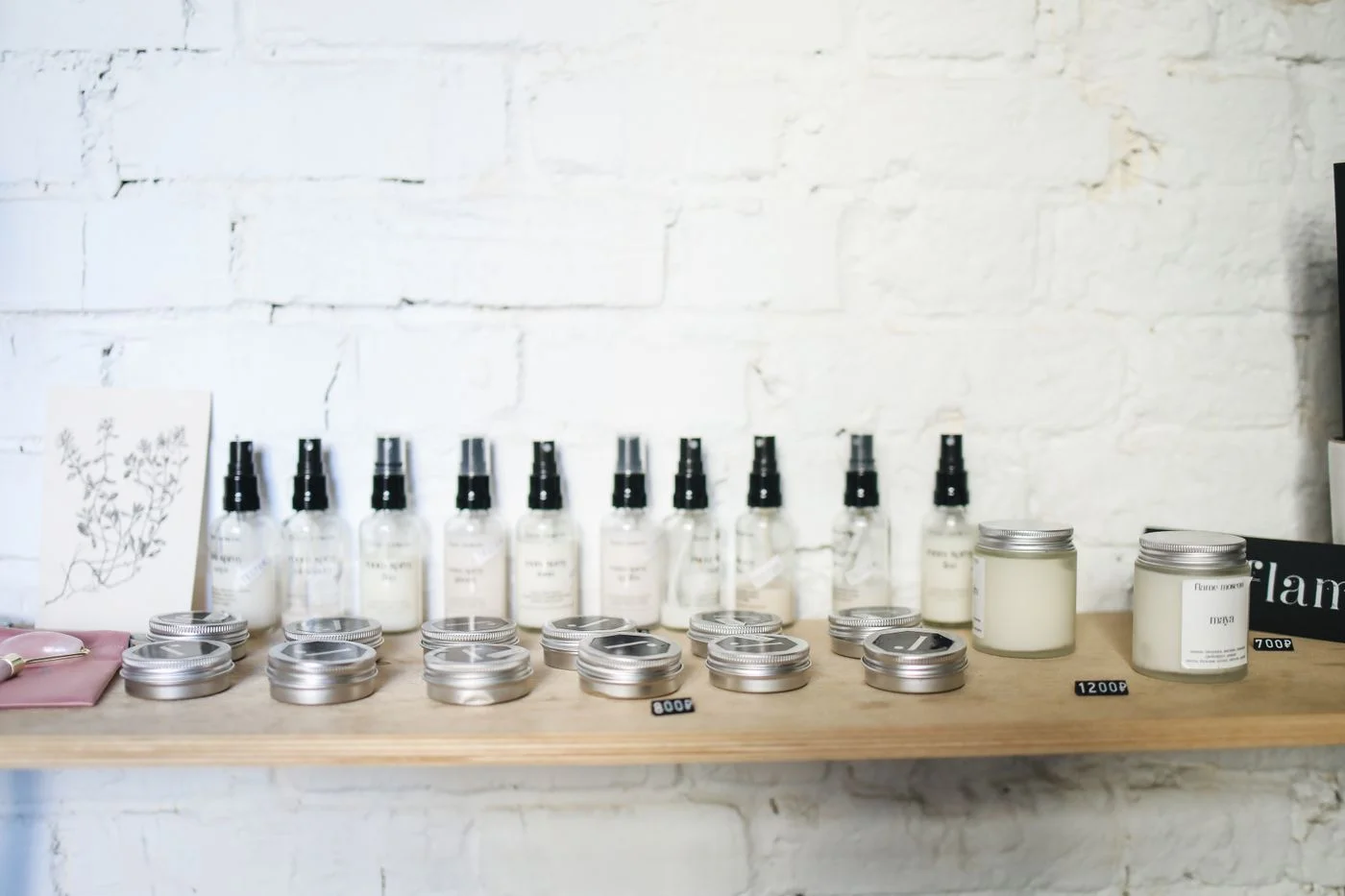
Setting Up a Small Beauty Shelf
Use the dimensions of your products and your daily movements to plan a beauty shelf that stays usable.
Keep reading: Setting Up a Small Beauty Shelf