How to Plan a Beauty-Cupboard Clear-Out
Work through one cupboard at a time, using condition, instructions and actual use to decide what stays.
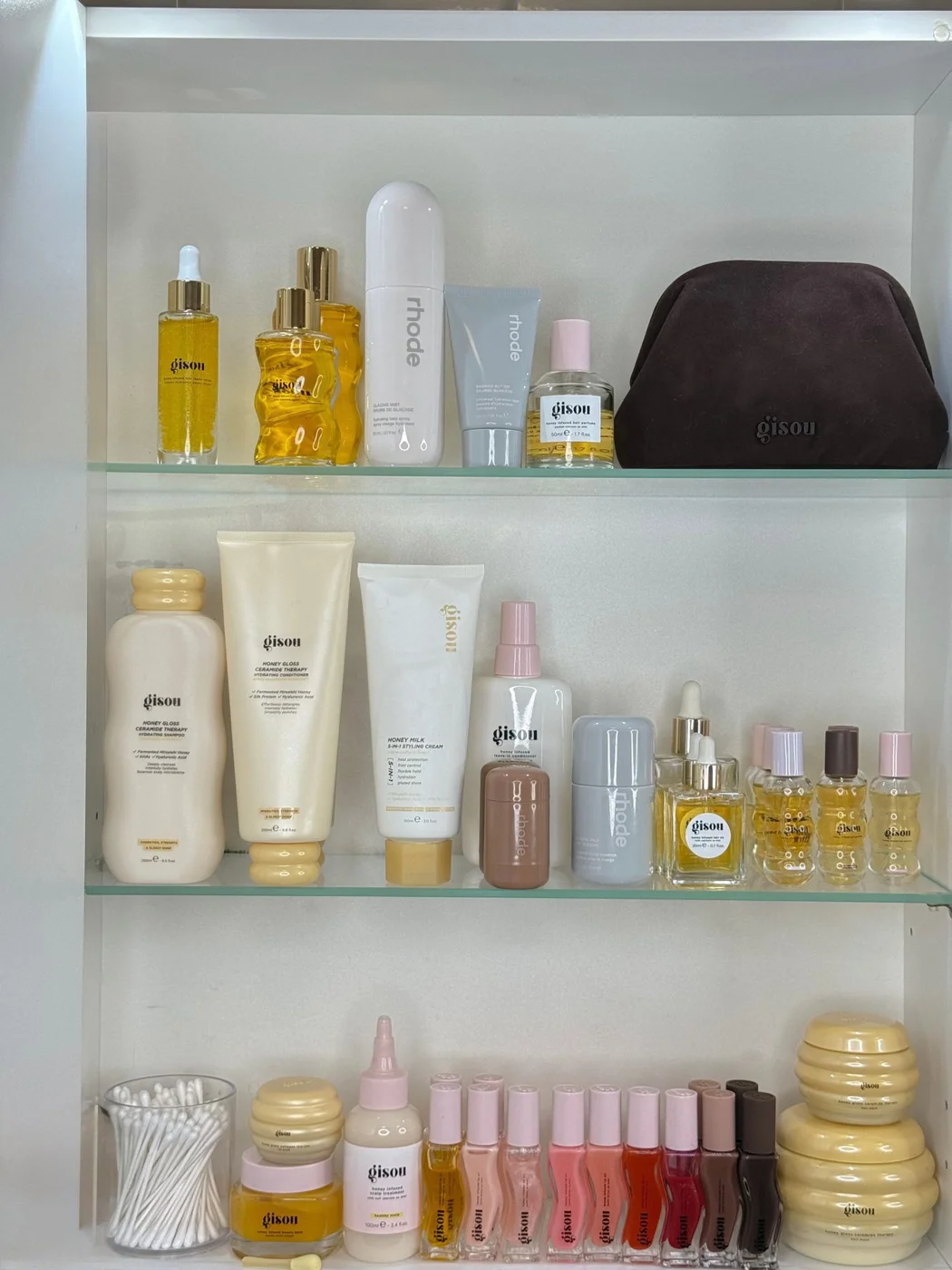
Emptying an entire beauty cupboard onto the floor can create more decisions than you have time to finish. A better clear-out has a boundary: one shelf, one drawer or one category of products. Choose a section you can inspect and return to order in the time available. Leave the rest closed until the first section is complete.
Prepare a clean sorting surface
Use a table or counter away from splashing water. Keep food and household cleaning products out of the sorting area. Have a way to collect packaging and waste, but do not start decanting products or combining half-empty containers to save space.
Read labels while there is enough light to see them. Keep original packaging when it contains directions, warnings or a batch identifier not repeated on the bottle. If a label is illegible, do not guess what the product is from its color or smell.
Ask three different questions
Is it still suitable to use? Check any expiration date, period-after-opening symbol, storage directions and the product's condition. A product that has changed unexpectedly in smell, color or texture needs attention even if a date has not passed. Sunscreen and other products with specific expiry guidance should not be treated as ordinary decorative cosmetics.
Does it have a place in your current routine? A product can be in good condition and still be unused. Perhaps it duplicates another item, requires a step you dislike or was purchased for a trip that never happened. Keeping it at the front of the cupboard will not necessarily make that role appear.
Can you identify how to use it? For devices, check the exact model and whether you still have the correct charger, head or manual. A box of unidentified cables is not a reliable accessory system. Set uncertain items aside for a manufacturer inquiry rather than improvising a match.
Do not make a “maybe” pile that lasts forever
A small review box can hold products that need one specific decision, such as checking a replacement part or confirming storage instructions. Write down the question. Give yourself a practical time to resolve it, and keep the box separate from products ready for use.
Do not move expired or questionable products into that box merely to avoid discarding them. Likewise, a product that irritated your skin should not be made into a trial for someone else. Open cosmetics and personal applicators are not automatically appropriate to pass around.
Dispose of each item according to what it is
Follow the product label and local disposal guidance. Electronic devices, rechargeable batteries and ordinary packaging may need different routes. Do not pour a collection of unwanted cosmetics down the sink just to produce empty recyclable containers. Check what your local recycling service actually accepts.
Clean the empty shelf using a method suitable for its surface, and let it dry. Return everyday products first, with labels facing where you can read them. Keep unopened replacements in a separate group so they do not become additional open bottles.
Record only what helps the next decision
A note of when you opened a product or which brush head fits a device can be useful. An exhaustive inventory may be unnecessary for a modest collection. Choose a record you will maintain, such as a small date label or a note on your phone.
Finish by checking the actual working space. You should be able to take out a product without removing several others. The goal of a clear-out is a cupboard that supports your present routine, not a promise to finish every purchase you have ever made.
Continue exploring
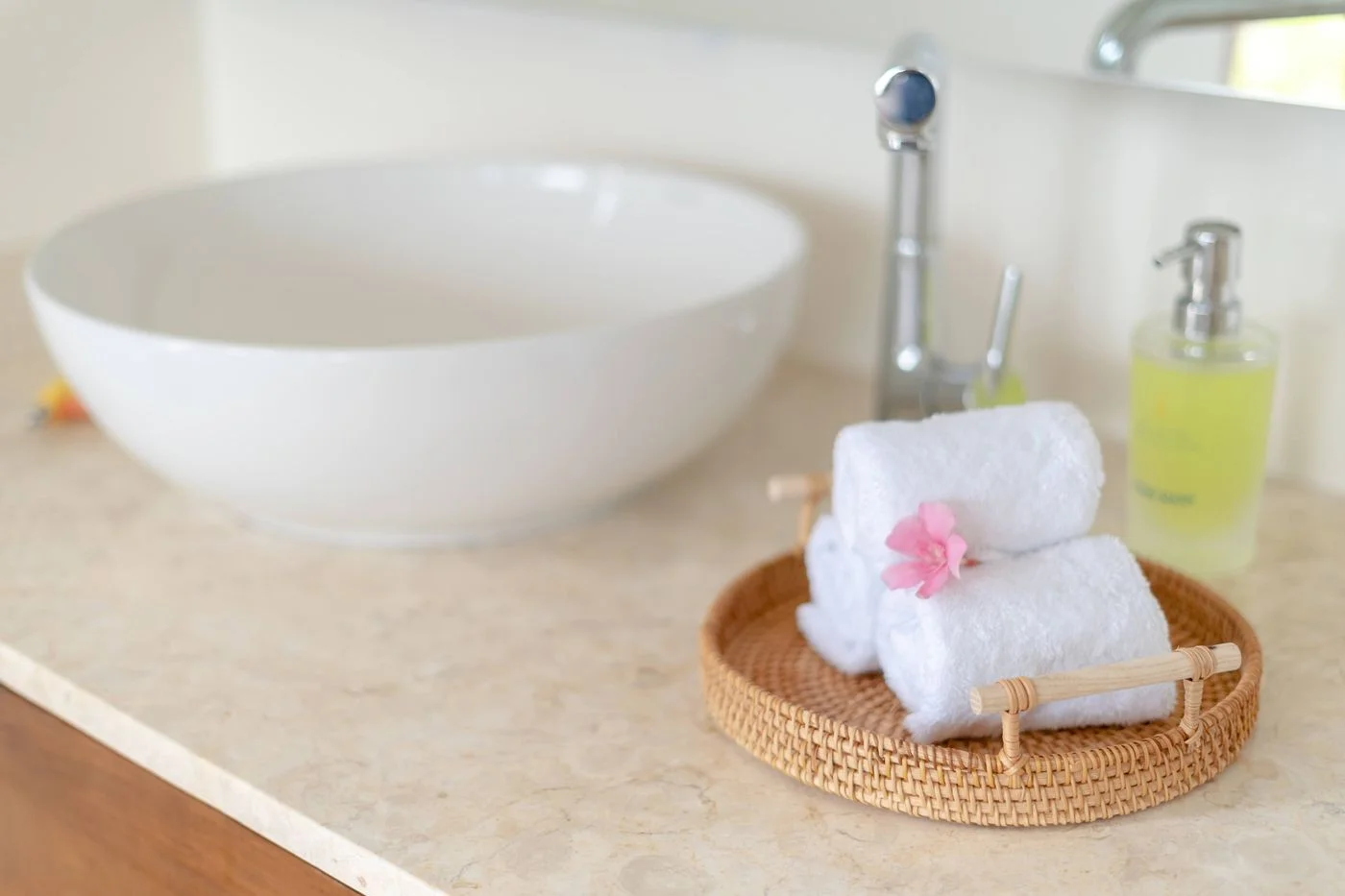
An Unhurried Evening at the Bathroom Sink
A comfortable evening routine starts with a usable sink, familiar products and a little less rushing.
Keep reading: An Unhurried Evening at the Bathroom Sink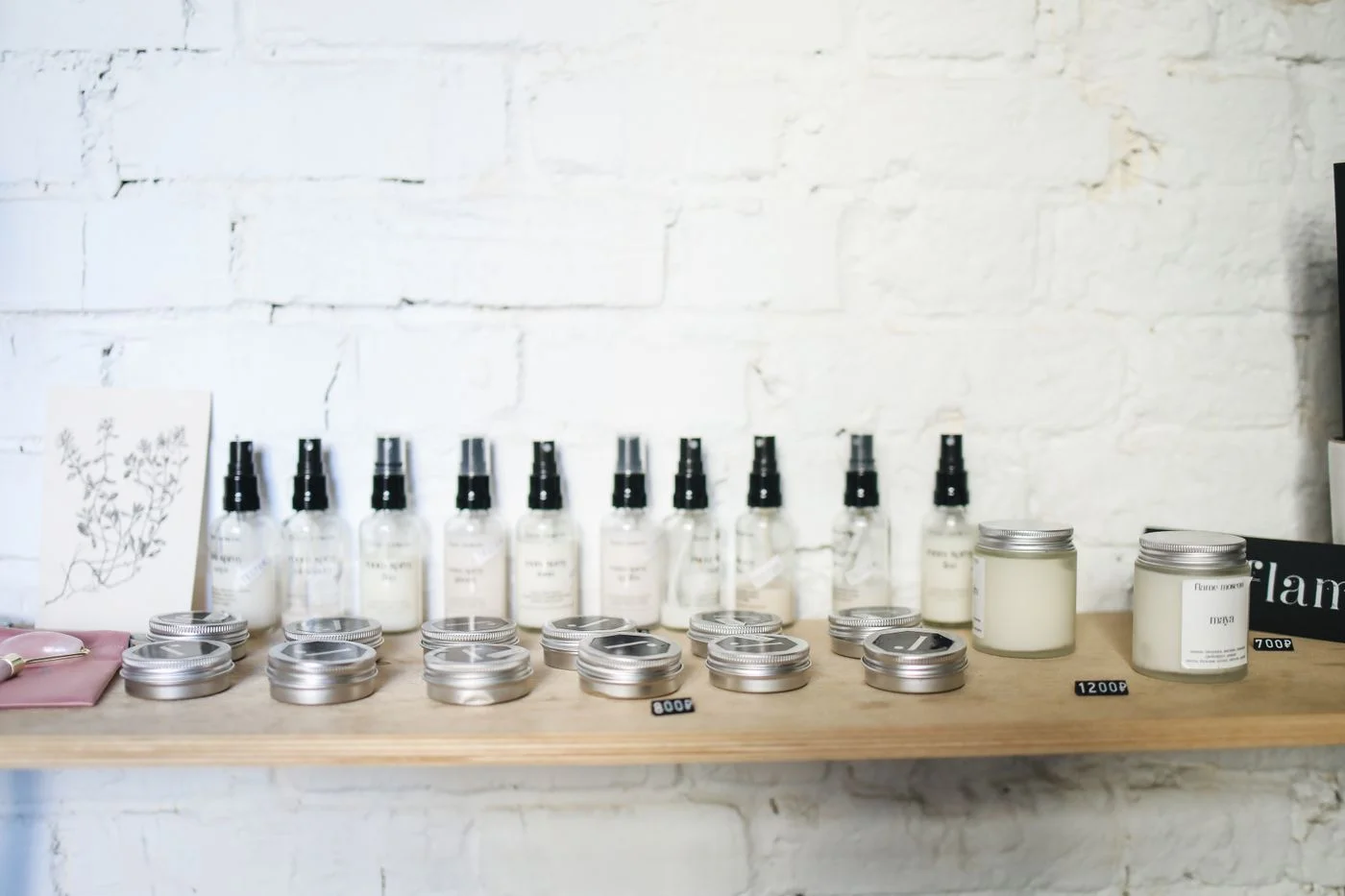
Setting Up a Small Beauty Shelf
Use the dimensions of your products and your daily movements to plan a beauty shelf that stays usable.
Keep reading: Setting Up a Small Beauty Shelf