Keeping Lip Care Simple
A comfortable lip product and a few ordinary habits usually make more sense than scrubs and a crowded collection.
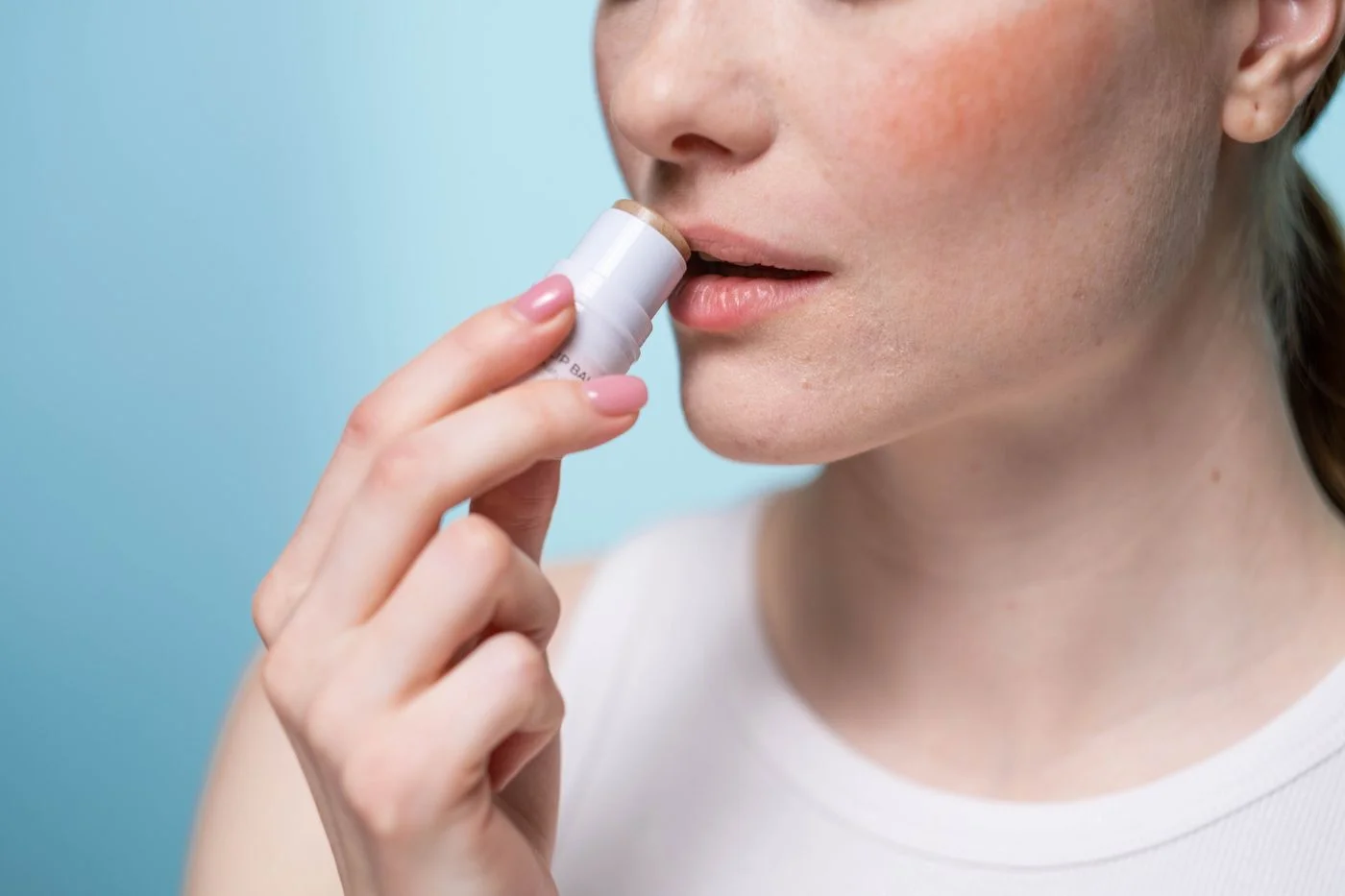
Lip products can accumulate quickly: a scrub, a plumper, a flavored balm, an overnight treatment, and several tinted options. If your lips are uncomfortable, it can be difficult to tell which product is helping and which one you are simply used to applying.
Start by setting aside products that sting or burn. The AAD advises using non-irritating lip care and avoiding licking, biting, or picking chapped lips. A strong tingling sensation is not a necessary sign of effective care.
Choose a familiar product you find comfortable and use it according to the label. Keep it somewhere accessible so you are not constantly searching through a bag for it. Do not share applicators or pass a lip product around a group.
Separate daytime needs from extra cosmetics
For outdoor use, consider a lip product with suitable sun protection and follow its reapplication instructions. A tinted finish or glossy appearance does not itself indicate SPF protection. Read the actual label rather than relying on the product category.
If you like lipstick, notice whether a particular formula or removal method leaves your lips uncomfortable. You do not have to abandon every cosmetic to identify one inconvenient combination. Make one change and observe it rather than buying several new rescue products at once.
Scrubbing is not a required response to visible dry skin. Repeatedly polishing or peeling the surface can make an already sore area harder to manage. Let the aim be comfort rather than a perfectly smooth close-up photograph.
Keep the container usable
Close the cap securely, keep a tube out of excessive heat, and follow the product's storage instructions. If it becomes dirty, damaged, or changes unexpectedly, do not try to make it acceptable by adding another product or wiping away only the visible problem.
Persistent cracking, pain, or a patch that does not improve deserves a professional assessment. Not every ongoing lip problem is simply dryness, and repeatedly changing balm flavors may delay useful advice.
A small lip-care routine is easier to understand: one suitable product when needed, appropriate outdoor protection, and less picking or rubbing. Extra products can remain optional rather than becoming a condition of looking after your lips.
Continue exploring

A Gentle Cleansing Routine for Busy Evenings
Keep the evening wash manageable with a familiar cleanser, a light touch, and a place for everything you use.
Keep reading: A Gentle Cleansing Routine for Busy Evenings
Choosing a Moisturizer by Texture, Not Hype
Compare the feel, packaging, and place of a moisturizer in your day before focusing on the fashionable ingredient on the front.
Keep reading: Choosing a Moisturizer by Texture, Not Hype