Retinol Labels: Questions to Ask Before Starting
A retinol purchase deserves a closer look at suitability, instructions, and the products already in your routine.
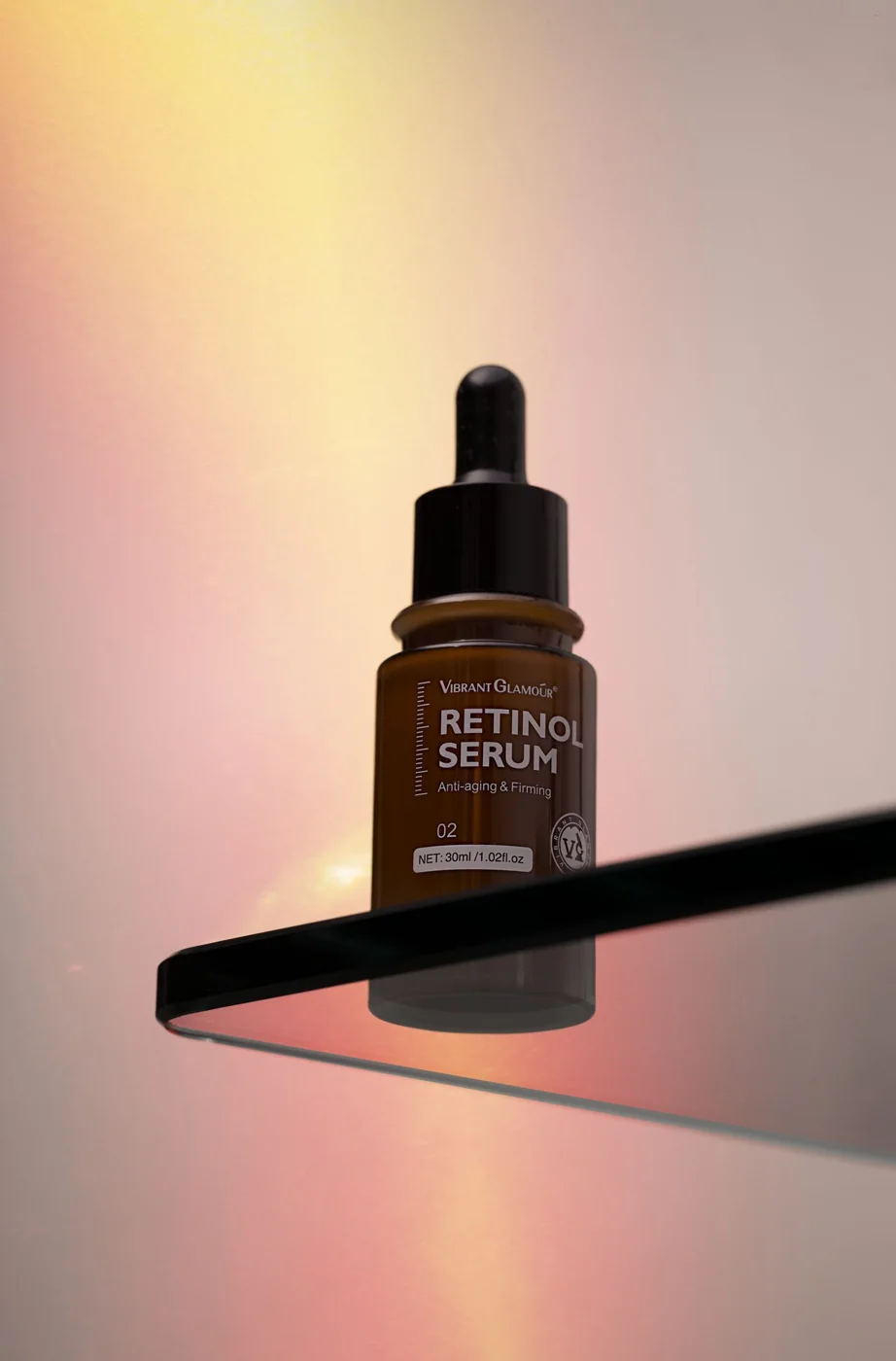
Retinol is often presented as the obvious next step after cleanser and moisturizer. That framing makes it easy to skip the more important question: is this particular product appropriate for you? The word appears across many formulas, and a confident product description does not replace advice about your skin or existing treatment.
Retinol belongs to the wider retinoid family. The AAD's explanation of retinoids and retinol distinguishes familiar over-the-counter cosmetics from other retinoid treatments and recommends discussing suitability with a dermatologist. Retinoids should not be used during pregnancy; ask a clinician about pregnancy planning or breastfeeding before considering them.
What are you hoping to address?
Write down the concern rather than beginning with a product strength. Uneven appearance, persistent acne, and a rash require different kinds of consideration. A bottle bought for one purpose should not become a general solution for everything you notice in the mirror.
If you already have a treatment plan, show the product details to the professional guiding it. Include other leave-on products, exfoliants, and cleansing tools. Asking whether a new item overlaps with an existing treatment is more useful than asking whether the ingredient is popular.
People with persistent sensitivity, inflammation, or an uncertain skin condition should seek individual advice before beginning. A recommendation made for somebody else's routine may omit the very details that matter in yours.
What does the actual label say?
Read the full directions, warnings, intended application area, and storage instructions. Check whether the package identifies the form of the ingredient and provides clear guidance on how to use the product. Do not assume that a percentage on one bottle can be compared directly with a different retinoid or a differently described complex.
Look for the instructions you would need on the first evening: when to use it, how much to apply, what areas to avoid, and what to do if irritation occurs. If the marketing page is extensive but these details are missing, ask the manufacturer before buying.
Do not create your own stronger regimen by applying more, combining several retinoid products, or layering exfoliants to speed things up. Sun-protection instructions also deserve attention; an evening cosmetic does not remove the need to protect skin during the day.
Can you follow the routine comfortably?
A product can be unsuitable for practical reasons even before you consider an adverse reaction. Perhaps the instructions are hard to fit around another treatment, or you are about to travel and cannot maintain an ordinary routine. Waiting is a reasonable option.
Keep the box and a record of the product name. If you develop unexpected discomfort, do not rely on a reviewer's claim that everybody must “push through.” Contact the prescriber for prescription treatment concerns, and stop a cosmetic causing a concerning reaction while seeking appropriate advice.
Retinol is not an entrance requirement for a complete skin-care routine. The useful purchase is one made with a specific purpose and enough information to use it correctly, including the possibility that your best decision is not to start it.
Continue exploring

A Gentle Cleansing Routine for Busy Evenings
Keep the evening wash manageable with a familiar cleanser, a light touch, and a place for everything you use.
Keep reading: A Gentle Cleansing Routine for Busy Evenings
Choosing a Moisturizer by Texture, Not Hype
Compare the feel, packaging, and place of a moisturizer in your day before focusing on the fashionable ingredient on the front.
Keep reading: Choosing a Moisturizer by Texture, Not Hype