Separating Clean and Used Beauty Tools
A separate resting place for used applicators prevents tomorrow’s routine from starting with a guessing game.
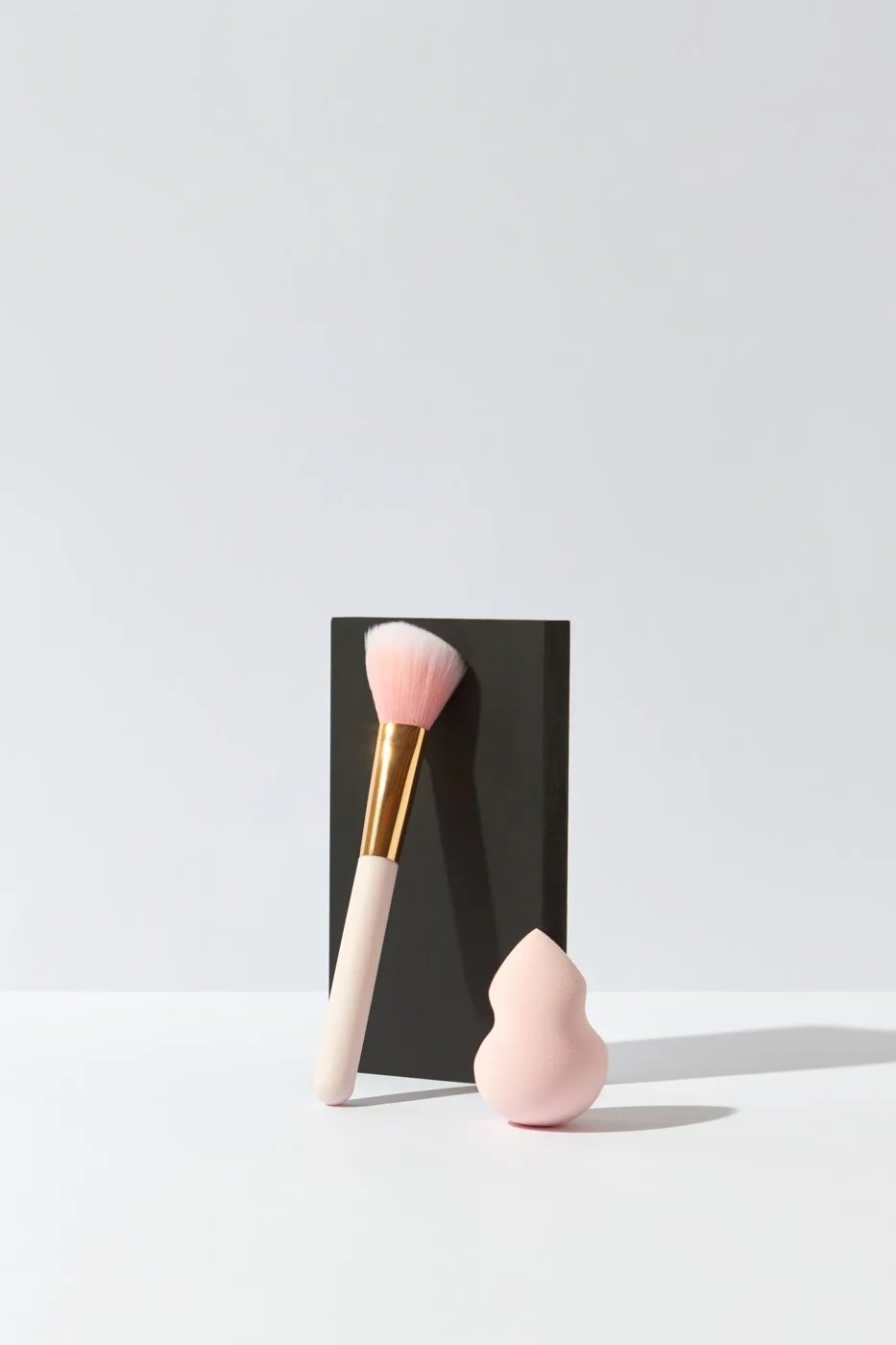
Two identical makeup brushes can look equally clean from a distance even if one was just used for a cream product. Relying on memory to distinguish them is fragile, especially in a shared room or during a rushed morning. A small physical separation works better than trying to recall which side of the cup you used.
Define what “ready to use” means
A tool should return to clean storage only after it has been cared for according to its instructions and has dried fully. The clean container itself needs to be kept free of residue. A fresh brush in a dusty cup is not much of an organizational improvement.
Use a separate holder or washable tray for tools awaiting cleaning. It should be easy to reach from the place where you apply makeup. If you must cross the room to use it, tools are more likely to stay on the counter instead.
Labels are helpful when the containers look similar. They can be discreet and functional rather than part of a decorating scheme. In a household with several people, separate personal tools before dividing them into clean and used groups. Do not create a shared applicator pool.
Allow for tools that are drying
Drying is a third stage, not the same as clean storage. A brush laid flat after washing should remain in an appropriate drying spot until ready. A sponge needs airflow around it. Do not force all materials into one closed box because they are all technically washed.
Read each tool's instructions before cleaning. Electronics, natural-bristle brushes, silicone accessories and metal grooming tools can require different methods. A household surface cleaner should not become the default treatment for every item on the vanity.
Keep the system smaller than the collection
You do not need a separate organizer for every kind of brush. A few broad, clear zones usually work better: ready, used and drying. If the used area is always overflowing, reduce the number of applicators in active rotation or make the washing task more frequent and manageable.
Inspect tools as they move between stages. That is a convenient moment to notice a cracked handle, fraying edge or missing cap. Remove damaged items from the rotation instead of allowing them to drift between containers. The purpose of the arrangement is to make the next use straightforward, not to store every tool indefinitely.
Continue exploring
An Unhurried Evening at the Bathroom Sink
A comfortable evening routine starts with a usable sink, familiar products and a little less rushing.
Keep reading: An Unhurried Evening at the Bathroom Sink
Setting Up a Small Beauty Shelf
Use the dimensions of your products and your daily movements to plan a beauty shelf that stays usable.
Keep reading: Setting Up a Small Beauty Shelf