Taking Care of Reusable Cotton Rounds
Read the fabric care label, keep used rounds separate and let every pad dry before it returns to the drawer.
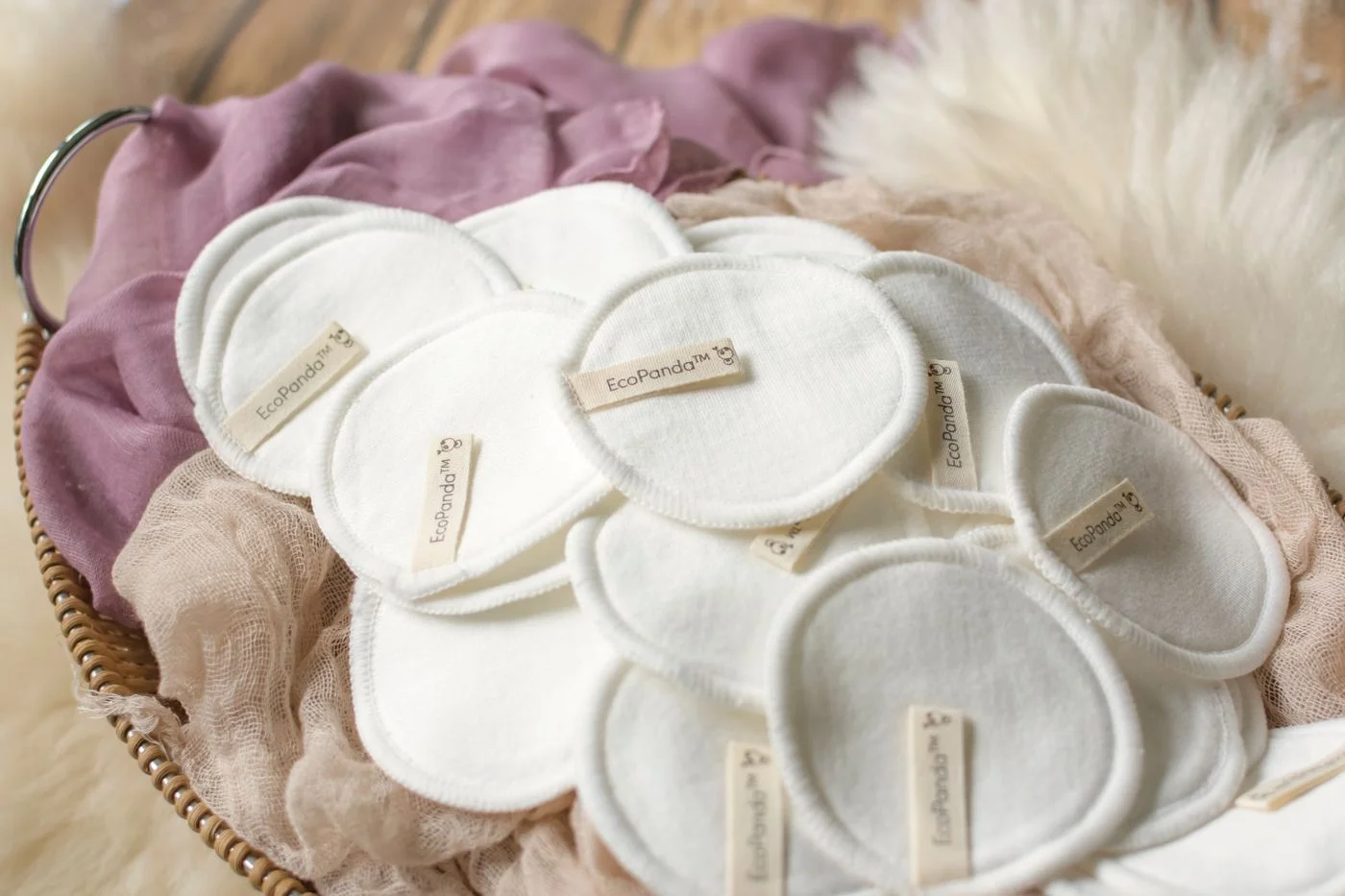
Reusable cotton rounds move through several stages: clean storage, use, laundry and drying. The system becomes awkward when one of those stages has no home. A pad left beside the sink can be mistaken for a clean one, while a damp stack in a closed jar may never dry properly.
Begin with the maker's washing instructions. Reusable rounds may contain cotton, synthetic fibers, stitching or layered materials with different care needs. Do not assume every white pad can tolerate the same temperature or cleaning product.
Make collection easy
Keep a small washable container for used rounds, separate from the clean supply. If the product instructions allow a mesh laundry bag, it can keep small pads together during washing. Leave room for water and detergent to move through them rather than packing the bag tightly.
Remove heavy residue according to the care directions before it has time to set. Makeup stains can remain even after a pad has been washed, but a persistent smell, greasy buildup or damaged surface deserves attention. Do not cover a questionable pad with fragrance and return it to use.
Finish drying before stacking
Spread rounds out or use the permitted drying method until they are fully dry. Stacking them while the centers are still damp saves little time because they will need to be separated again. Wash the storage container when needed and let it dry too.
Keep enough rounds to cover your ordinary laundry interval, without buying a quantity so large that used ones sit around indefinitely. If you run short, adjust the washing schedule before adding another stack.
Reusable does not mean permanent. Retire pads with loose seams, an uncomfortable texture or residue that no longer washes out. A cloth used on the face should not later return from household cleaning duty. Keeping those roles separate makes the routine easier to manage and the clean supply easier to trust.
Continue exploring
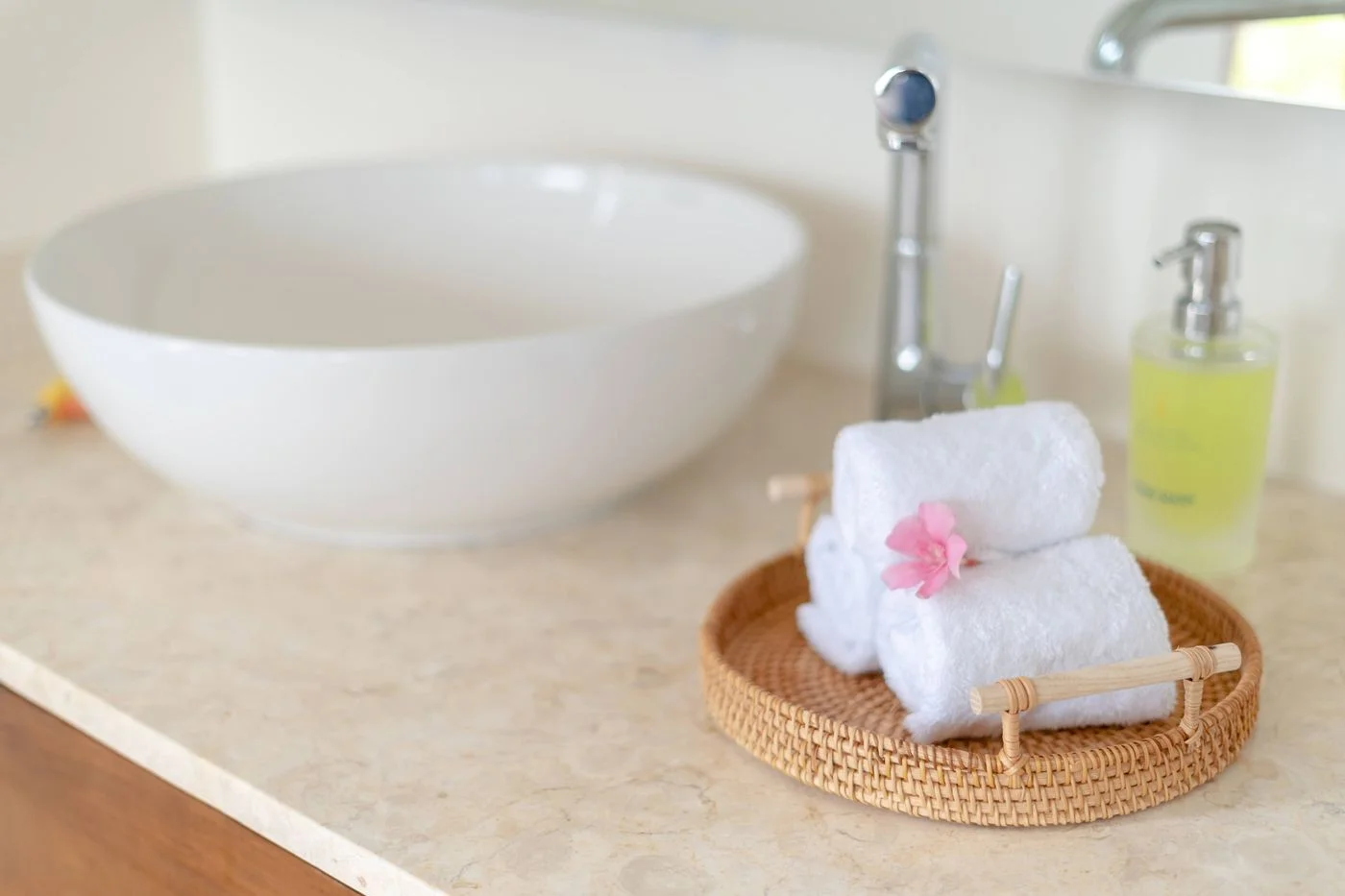
An Unhurried Evening at the Bathroom Sink
A comfortable evening routine starts with a usable sink, familiar products and a little less rushing.
Keep reading: An Unhurried Evening at the Bathroom Sink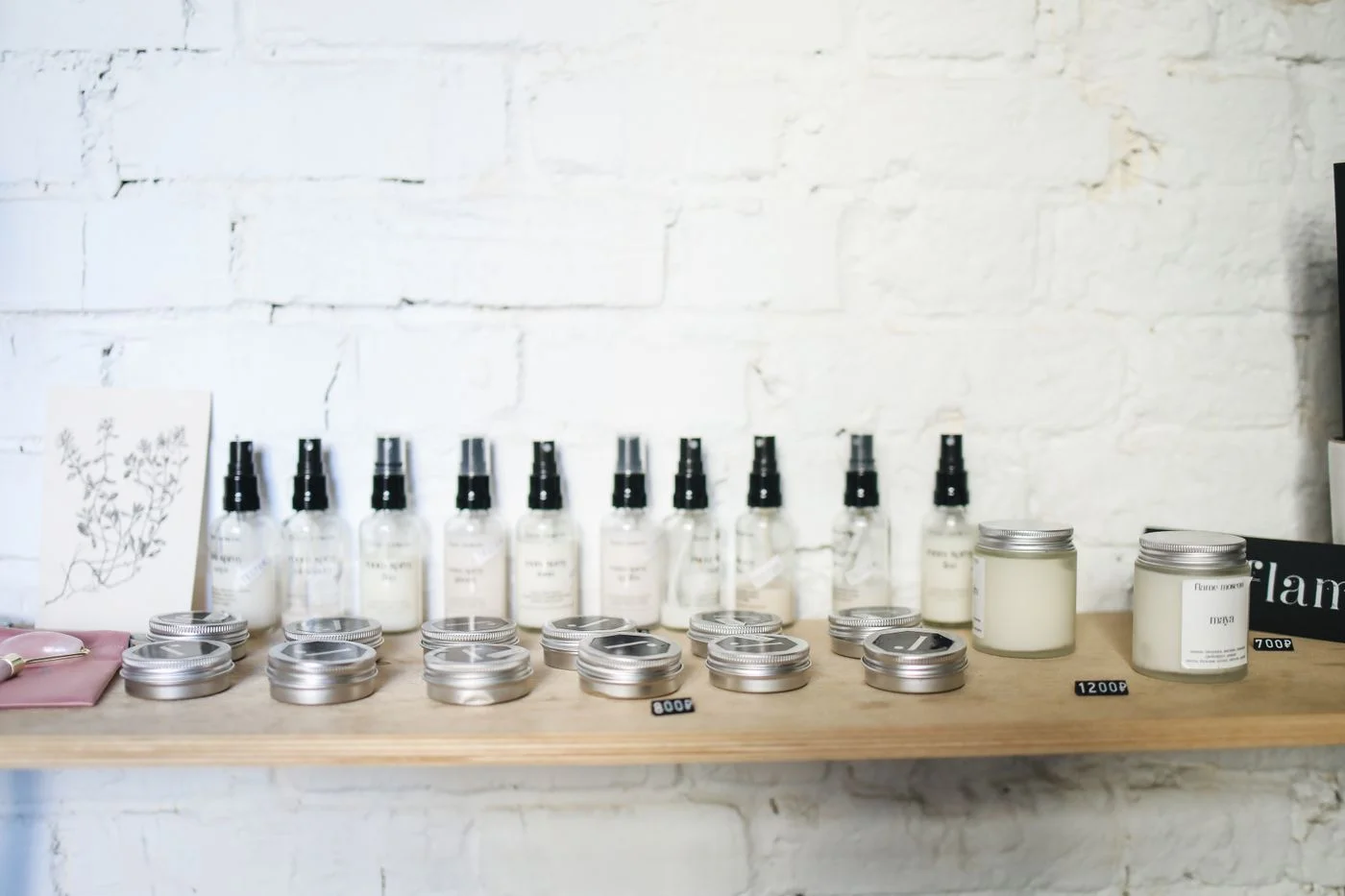
Setting Up a Small Beauty Shelf
Use the dimensions of your products and your daily movements to plan a beauty shelf that stays usable.
Keep reading: Setting Up a Small Beauty Shelf