What Hyaluronic Acid Means on a Moisturizer Label
An ingredient associated with hydration is one part of a formula, not a reason to replace a moisturizer that already suits you.

Hyaluronic acid appears on serums, creams, masks, and cleansers. The word “acid” can make it sound like an exfoliating ingredient, but its familiar role in skin care is different. It is used as a humectant: an ingredient that attracts and holds water.
The Cleveland Clinic describes hyaluronic acid's water-attracting role in moisturizers. That basic function helps explain the ingredient's popularity, but it does not establish that every product containing it will feel the same or deliver the same result.
Read the product category first
A rinse-off cleanser and a leave-on moisturizer have different jobs even when both highlight hyaluronic acid. The name on the front does not erase that distinction. Read the directions and decide whether you are shopping for cleansing, moisturizing, or an optional additional step.
If your moisturizer already feels comfortable, you do not necessarily need a separate serum containing the same headline ingredient. Before adding one, ask what specific problem you expect it to solve. “My cheeks still feel dry” is a useful concern to discuss; “my routine does not contain every popular ingredient” is not a problem that needs fixing.
Evaluate the whole experience
Notice how the formula spreads, whether the finish suits you, and how it behaves alongside sunscreen or makeup. A product can contain a familiar moisturizing ingredient and still be a poor match because of its texture, another ingredient, or the way you use it.
Use the amount and method on the label. Do not assume that layering several versions or applying a very large amount produces a proportionally better outcome. An extra tacky layer may simply make the routine less pleasant and harder to follow.
Packaging and price matter too. A serum that requires a separate purchase every few weeks may be less convenient than a moisturizer that already performs the role you need. Compare complete routines rather than the price of individual bottles in isolation.
Keep the expectation specific
Cosmetic hydration is not the same as treating every cause of dry, irritated, or uncomfortable skin. If a routine repeatedly stings or dryness persists, get advice rather than continually adding hydrating-sounding products.
Hyaluronic acid can be a useful ingredient to recognize when reading a label. The more practical skill is learning to place it in context: what the product is for, how it is meant to be used, and whether that complete product earns a place in your everyday routine.
Continue exploring

A Gentle Cleansing Routine for Busy Evenings
Keep the evening wash manageable with a familiar cleanser, a light touch, and a place for everything you use.
Keep reading: A Gentle Cleansing Routine for Busy Evenings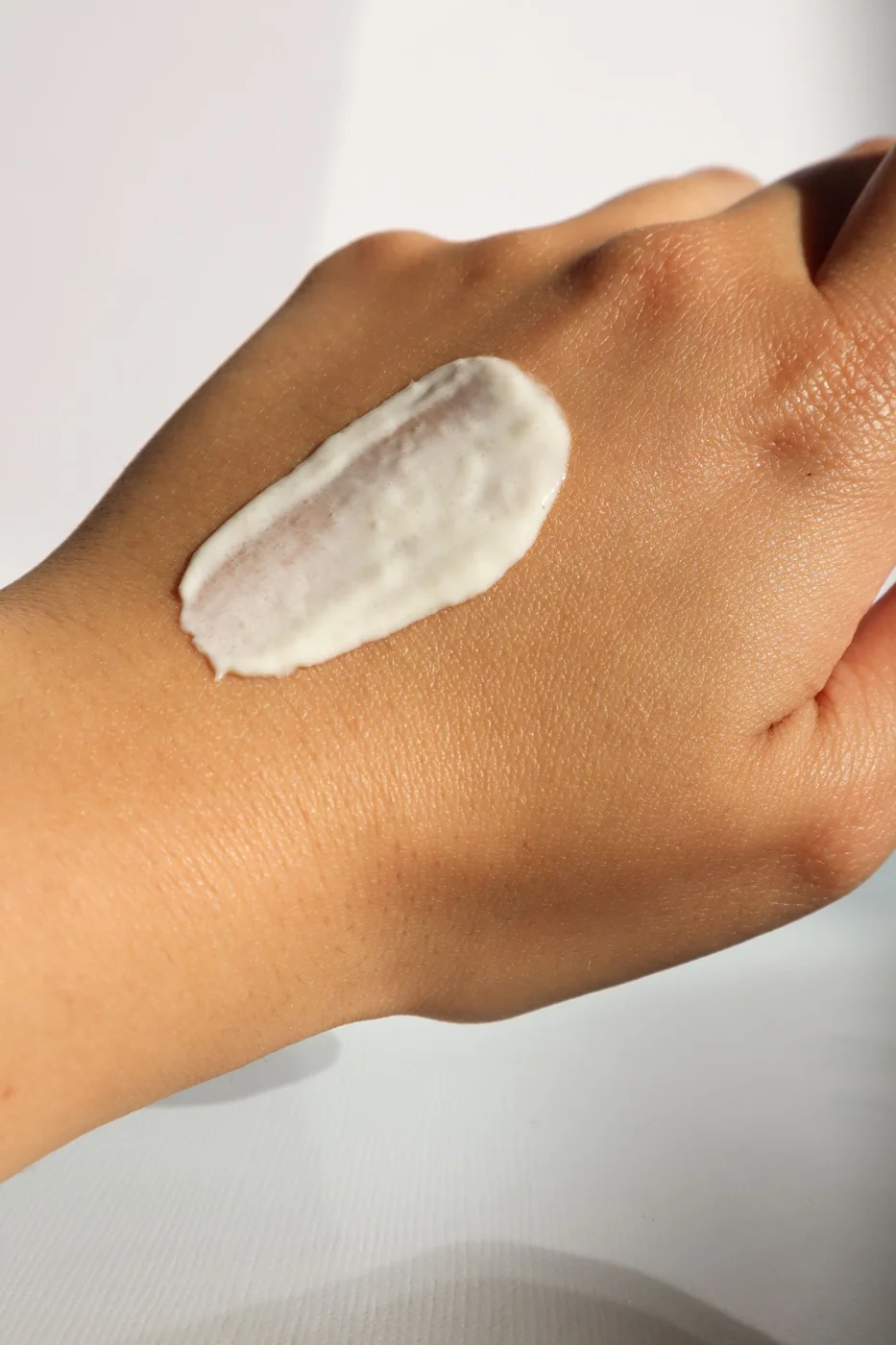
Choosing a Moisturizer by Texture, Not Hype
Compare the feel, packaging, and place of a moisturizer in your day before focusing on the fashionable ingredient on the front.
Keep reading: Choosing a Moisturizer by Texture, Not Hype