What Sensitive-Skin Marketing Can and Cannot Tell You
Use reassuring wording as a starting point for questions, not as a guarantee that a formula will suit you.
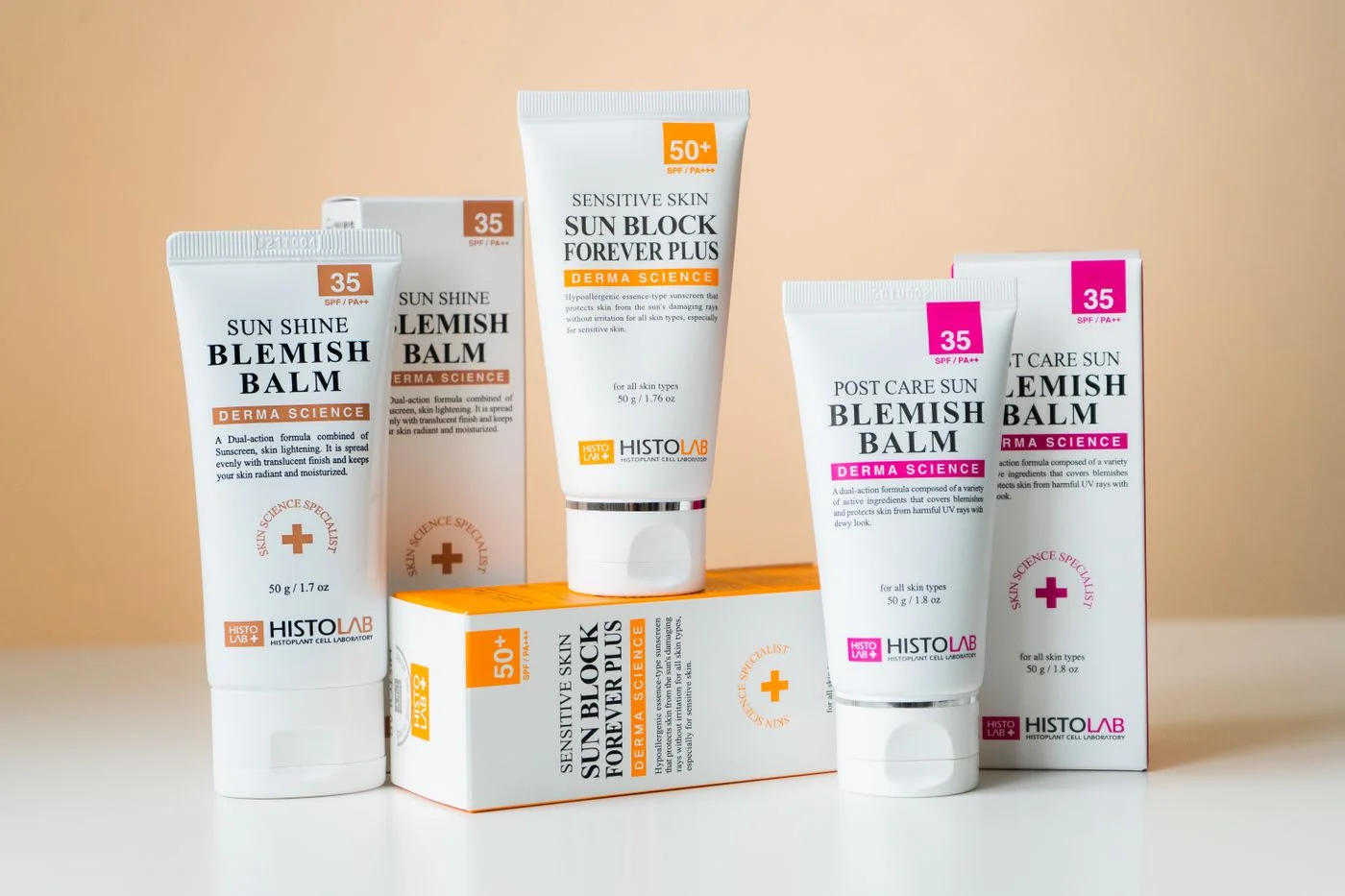
A pale package and the words “for sensitive skin” can be reassuring when previous products have caused trouble. The difficulty is that a marketing description cannot describe every person's sensitivities. Two people may react to different ingredients, and the same broad label may appear on very different formulas.
The FDA explains that “hypoallergenic” has no federal standard or definition governing its use. It should not be read as a guarantee that an allergic reaction is impossible. Other reassuring terms also need to be considered alongside the ingredient list and your own history.
Replace a broad worry with specific information
If you know an ingredient you must avoid, keep its name in your shopping notes. If you only know that several products have caused discomfort, record those full product names and the symptoms rather than guessing that every reaction has the same cause.
Read the exact formula's label. A brand can make many products, and a good experience with one does not automatically establish tolerance of the next. Check the current package when replenishing, especially if the appearance or ingredient list has changed.
Contact the manufacturer if a known allergy raises a question the label cannot answer. A useful message names the exact product and asks about the specific ingredient; it does not simply ask whether the product is “safe for sensitive skin.”
Keep testing proportionate
Introduce new cosmetics carefully and separately rather than trying an entire line at once. A small-area tolerance check can be useful, but it is not a medical allergy investigation and does not guarantee future tolerance. Follow the product's directions and do not test it on an area excluded by the label.
Avoid the assumption that a long ingredient list is automatically bad or that a short natural-sounding list is automatically safe. The identity of an ingredient and your response matter more than how easy its name is to pronounce.
If reactions keep recurring, seek professional assessment. Bring the products or clear ingredient photographs and explain when symptoms happen. A diagnosed contact allergy can lead to more useful shopping advice than repeatedly moving between vaguely gentle collections.
Marketing can help you find candidates on a crowded shelf. It cannot replace that more specific work. Choose a product because its information and use fit your needs, while leaving room to recognize that a reassuring label may still describe something that is not right for you.
Continue exploring

A Gentle Cleansing Routine for Busy Evenings
Keep the evening wash manageable with a familiar cleanser, a light touch, and a place for everything you use.
Keep reading: A Gentle Cleansing Routine for Busy Evenings
Choosing a Moisturizer by Texture, Not Hype
Compare the feel, packaging, and place of a moisturizer in your day before focusing on the fashionable ingredient on the front.
Keep reading: Choosing a Moisturizer by Texture, Not Hype