Why Product Amounts Matter to a Routine
Use each product's directions rather than assuming that every cream, cleanser, and treatment needs the same familiar-sized dab.
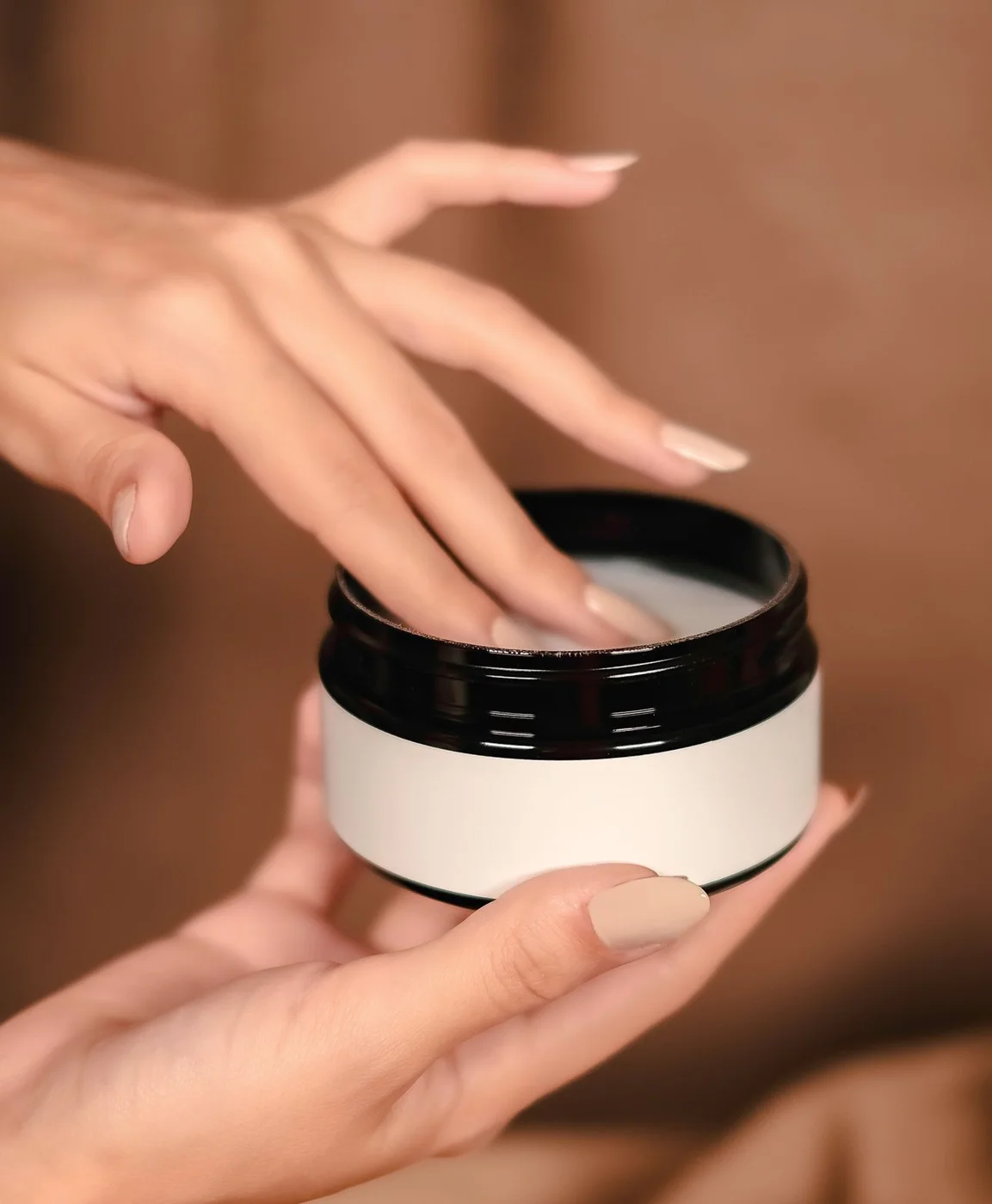
Beauty advice often turns amounts into comparisons with fruit, coins, or fingertips. Those descriptions can be useful when they come from the instructions for a particular product. They become less reliable when one familiar amount is carried over to every formula and every area of the body.
A cleanser, moisturizer, sunscreen, and prescribed treatment have different purposes. The amount used can affect coverage, feel, cost, and how the product behaves. More is not automatically better, and less is not automatically an efficient shortcut.
Read the measure in context
Check the intended area as well as the quantity. Instructions for the face do not necessarily cover the neck, hands, or body. If the label refers to a pump, drop, or measured length, use the packaging supplied rather than assuming another dispenser gives the same amount.
Do not dilute a product to make it spread farther unless the manufacturer specifically instructs it. Likewise, mixing separate products in your palm can change how they are applied and make the original directions harder to follow.
For prescribed treatments, ask the pharmacist or prescriber to explain unclear amounts. A quick demonstration can be more useful than repeatedly guessing at home. Do not double a treatment to compensate for a missed use without instructions to do so.
Notice waste without changing essential coverage
If a pump repeatedly gives more cosmetic product than you want, record that as a packaging issue. You may prefer a container with better control when you replace it. Avoid transferring the contents into an unlabelled bottle simply to create a more attractive dispenser.
For sunscreen, use the labelled application guidance rather than reducing the amount to improve its finish under makeup. Consider a simpler combination or a suitable alternative texture instead. Coverage requirements and cosmetic preferences are different parts of the decision.
Keep track of how long a container lasts under ordinary use. That helps you compare replacement costs realistically. A large bottle that dispenses wastefully may not be as economical as it first appears.
You do not need laboratory precision for every ordinary cosmetic application. You do need to respect the instructions when quantity matters. The most useful habit is pausing long enough to read the product you are holding, rather than borrowing an amount from a different bottle or a different person's routine.
Continue exploring

A Gentle Cleansing Routine for Busy Evenings
Keep the evening wash manageable with a familiar cleanser, a light touch, and a place for everything you use.
Keep reading: A Gentle Cleansing Routine for Busy Evenings
Choosing a Moisturizer by Texture, Not Hype
Compare the feel, packaging, and place of a moisturizer in your day before focusing on the fashionable ingredient on the front.
Keep reading: Choosing a Moisturizer by Texture, Not Hype