Buying a Beauty Tool for a Shared Household
Confirm that sharing is allowed before comparing savings. Individual suitability, personal attachments, storage, and settings can change the real cost.
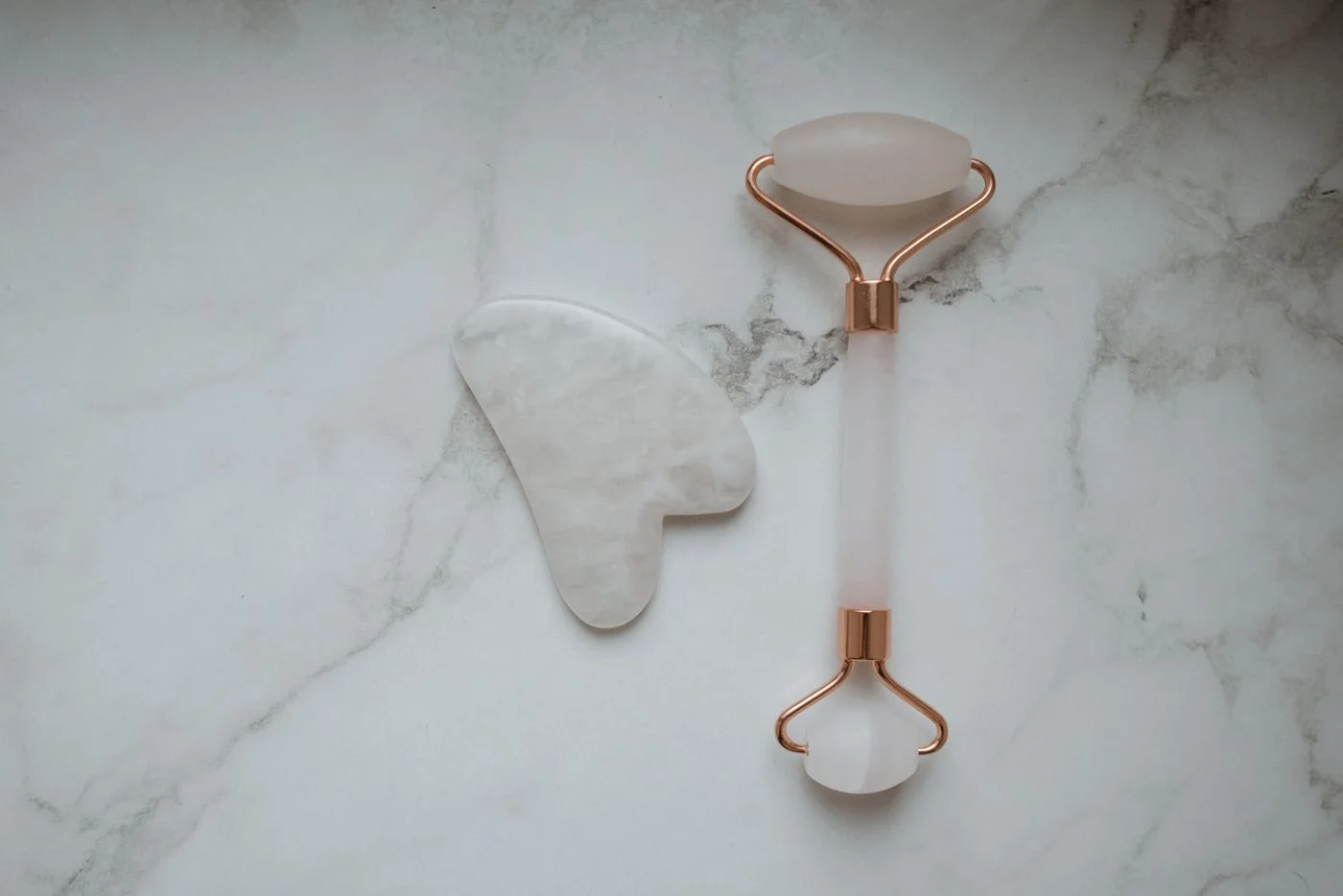
Buying one beauty tool for several people can look economical on paper. The idea only works if the product is designed and instructed for the sharing arrangement you have in mind. Start with that question before dividing the price by the number of people in the home.
Read the manufacturer's position on shared use. Some skin-contact devices are intended to remain personal. A removable head or washable surface does not automatically change that. If the guidance is unclear, ask about the exact model rather than assuming an extra cleaning step makes sharing acceptable.
Include each person's requirements
Suitability is individual. Each intended user needs to read the warnings and consider any relevant health conditions, medication, or recent treatment. One person's appropriate use does not establish that the device is suitable for the others.
Consider controls and saved settings. If a model retains the last mode or intensity, can each person identify and change it correctly? If an app is required, find out how accounts and profiles work. A shared purchase should not rely on one household member being available every time someone else wants to use it.
Calculate the complete shared setup
For a product that explicitly permits individual interchangeable components, price the necessary heads or accessories for everyone. Add storage that keeps them identifiable and allows correct drying. The total may differ substantially from the price of the single starter package.
Check the cleaning requirements for both personal parts and any common handle. Do not invent a stronger disinfection routine than the maker allows. If the permitted process seems impractical for the household, that is a useful reason to reconsider the arrangement.
Agree on ordinary ownership tasks
Someone needs to know where the receipt is, which parts fit, when components were replaced, and how to contact support. Keep a simple shared note rather than relying on memory. Make sure the device has a suitable storage and charging place that does not obstruct other bathroom routines.
Compare the shared arrangement with separate simpler tools or keeping an existing routine. Convenience matters alongside cost. A product that creates repeated confusion over settings, ownership, or hygiene may not be a saving in practice.
The best household purchase is one everyone can use within its instructions without improvisation. If the manufacturer's guidance favors personal use, respect that boundary and make the budget decision around suitable alternatives.
Continue exploring

Choosing a Beauty Device You Will Actually Use
Start with an ordinary week, not an ideal routine. Match the device’s preparation, care, and costs to the way you already live.
Keep reading: Choosing a Beauty Device You Will Actually Use
Questions to Ask Before Buying a Facial Cleansing Tool
Use a short set of questions to compare the real routine: suitability, pressure, cleanser compatibility, maintenance, and replacement parts.
Keep reading: Questions to Ask Before Buying a Facial Cleansing Tool