Buying a Replacement Brush Head That Fits
Use the handle’s exact model and the official compatibility list. Similar names and connectors can conceal different replacement systems.
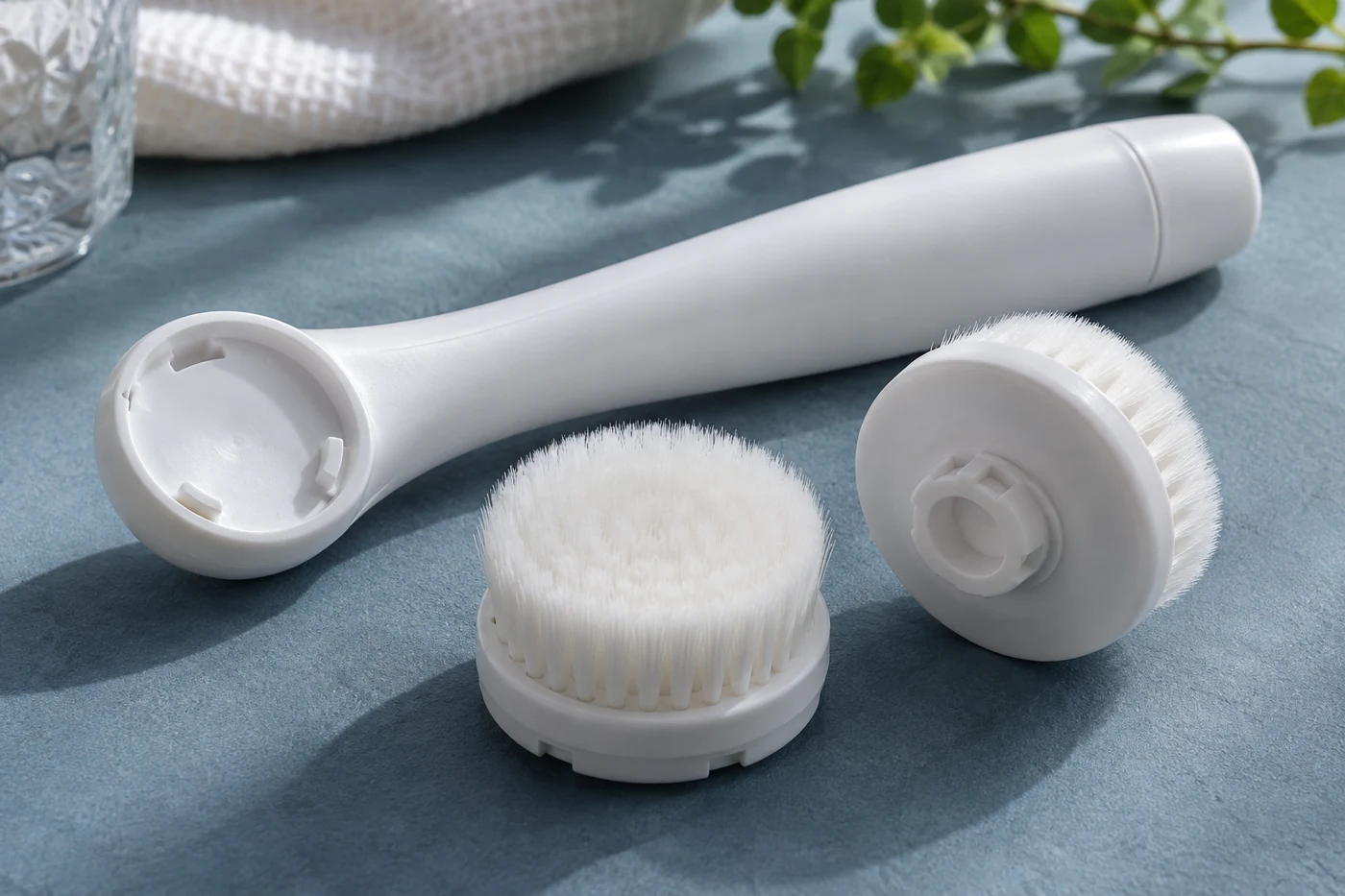
The quickest way to order the wrong brush head is to search only for the brand name. Product families can contain several generations and connection systems. Start with the model on the device or its original packaging, then locate the official replacement-part information.
If the label has worn away, check the receipt, saved manual, or account record. Clear photographs may help the manufacturer identify the handle. Avoid guessing from color, since the same finish may have been used for several products.
Build a match from specific information
Compare the exact part number and the manufacturer's list of compatible handles. Check any exclusions or generation notes. A broad marketplace headline saying replacement brush should not outweigh a more specific compatibility statement.
Look at the seller as well as the item. Confirm who supplies it, how it is described, and what support is available if it is not as listed. A very low price is not useful if the origin or compatibility remains uncertain.
Choose the quantity deliberately. A multipack may reduce the unit cost, but it is less attractive if you are unsure whether you will keep the device or if the package contains several head types you do not need. Keep unused parts in suitable conditions according to their instructions.
Check before fitting
When the package arrives, compare the label and contents with the order. Inspect for visible damage or an unexpected design difference. Do not force a head onto the handle because it almost fits. A tight or loose connection is a reason to stop and confirm the part.
Follow the device's fitting and preparation instructions. Keep the packaging until compatibility is clear, especially if the retailer's return process requires identifying information from it.
Make the next order easier
Save the correct part number in a device note and record when you installed it. Use the maker's replacement guidance rather than a universal schedule borrowed from a different tool. Inspect the part during use and replace it earlier if the instructions call for that because of wear or damage.
A replacement system is part of the original buying decision too. If identifying and obtaining heads becomes difficult, include that inconvenience when deciding whether to keep the device. The right component should be a clear purchase, not a repeated experiment with near-matching accessories.
Continue exploring

Choosing a Beauty Device You Will Actually Use
Start with an ordinary week, not an ideal routine. Match the device’s preparation, care, and costs to the way you already live.
Keep reading: Choosing a Beauty Device You Will Actually Use
Questions to Ask Before Buying a Facial Cleansing Tool
Use a short set of questions to compare the real routine: suitability, pressure, cleanser compatibility, maintenance, and replacement parts.
Keep reading: Questions to Ask Before Buying a Facial Cleansing Tool