Checking a Beauty Retailer's Return Policy
Read the conditions for opened personal-care products before buying. Timing, hygiene exclusions, shipping costs, and seller identity all matter.
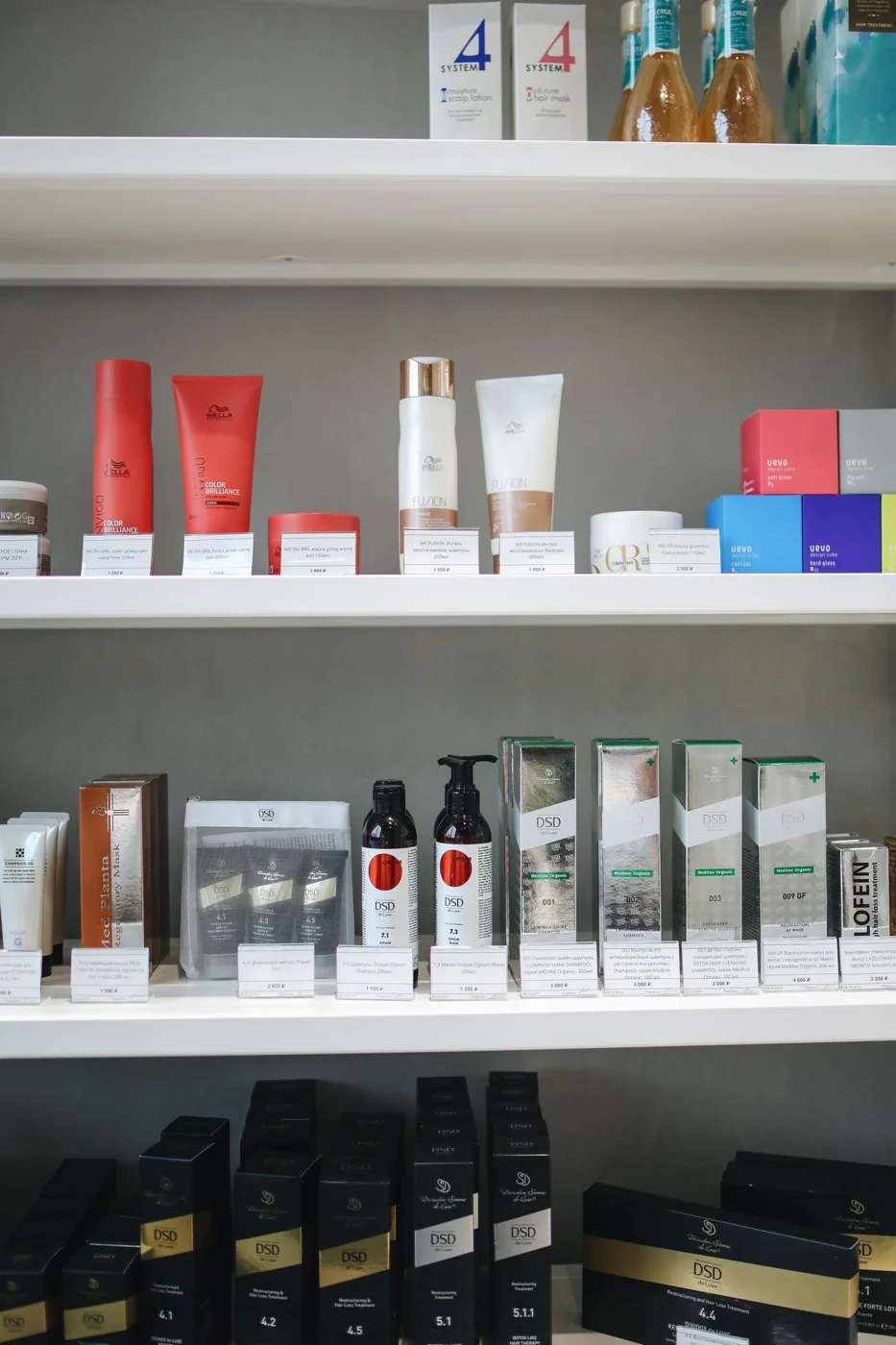
A prominent returns banner can hide several conditions that matter for a beauty purchase. The policy may distinguish unopened items from used personal-care products, standard purchases from sale items, and refunds from store credit. Read the actual terms before treating the banner as an invitation to try anything at home.
Confirm who is selling the item. On a marketplace, the platform name and the seller name may be different, and the applicable process may depend on that seller. Save the listing and the policy that apply to your order rather than relying on a general help page.
Follow the return from start to finish
Find the deadline and what starts it: order, shipment, delivery, or another event described in the terms. Check whether you must request authorization before sending an item back. Note the required condition, packaging, accessories, and proof of purchase.
Look specifically for hygiene exclusions, broken seals, opened cosmetics, and used devices. If you hope to evaluate the fit or feel of an item, ask whether that particular action affects eligibility. Do not guess that careful repacking restores unopened status.
Count the cost of changing your mind
Check who pays return postage, whether original shipping is refunded, and whether any stated fee applies. Also establish the refund method and expected processing period. A return for store credit may be useful to one shopper and unsuitable for another.
For an expensive device, consider the practical shipping process. You may need tracking, a particular carrier, or instructions for an electronic product. Follow the seller's authorized process and retain records rather than mailing a parcel to an address found elsewhere online.
Keep faults separate from preference
An item that arrives damaged, incomplete, or different from the description raises a different issue from simply disliking a color or routine. Contact the seller promptly with clear details and photographs where appropriate. Your rights and the available process depend on the circumstances and applicable rules; do not assume that a voluntary change-of-mind policy explains every situation.
The FTC's online-shopping guidance is a useful starting point for checking seller terms and keeping purchase records. For a disputed issue, use the relevant consumer-protection resources rather than relying on a blog's summary.
If an important condition remains unclear, get a written answer before checkout. A product is easier to compare honestly when you know whether trying it would mean accepting the full cost.
Continue exploring

Choosing a Beauty Device You Will Actually Use
Start with an ordinary week, not an ideal routine. Match the device’s preparation, care, and costs to the way you already live.
Keep reading: Choosing a Beauty Device You Will Actually Use
Questions to Ask Before Buying a Facial Cleansing Tool
Use a short set of questions to compare the real routine: suitability, pressure, cleanser compatibility, maintenance, and replacement parts.
Keep reading: Questions to Ask Before Buying a Facial Cleansing Tool