How to Compare Moisturizers on a Store Shelf
Compare intended use, texture, packaging, label information, and price per amount. A longer ingredient story does not automatically make a better fit.
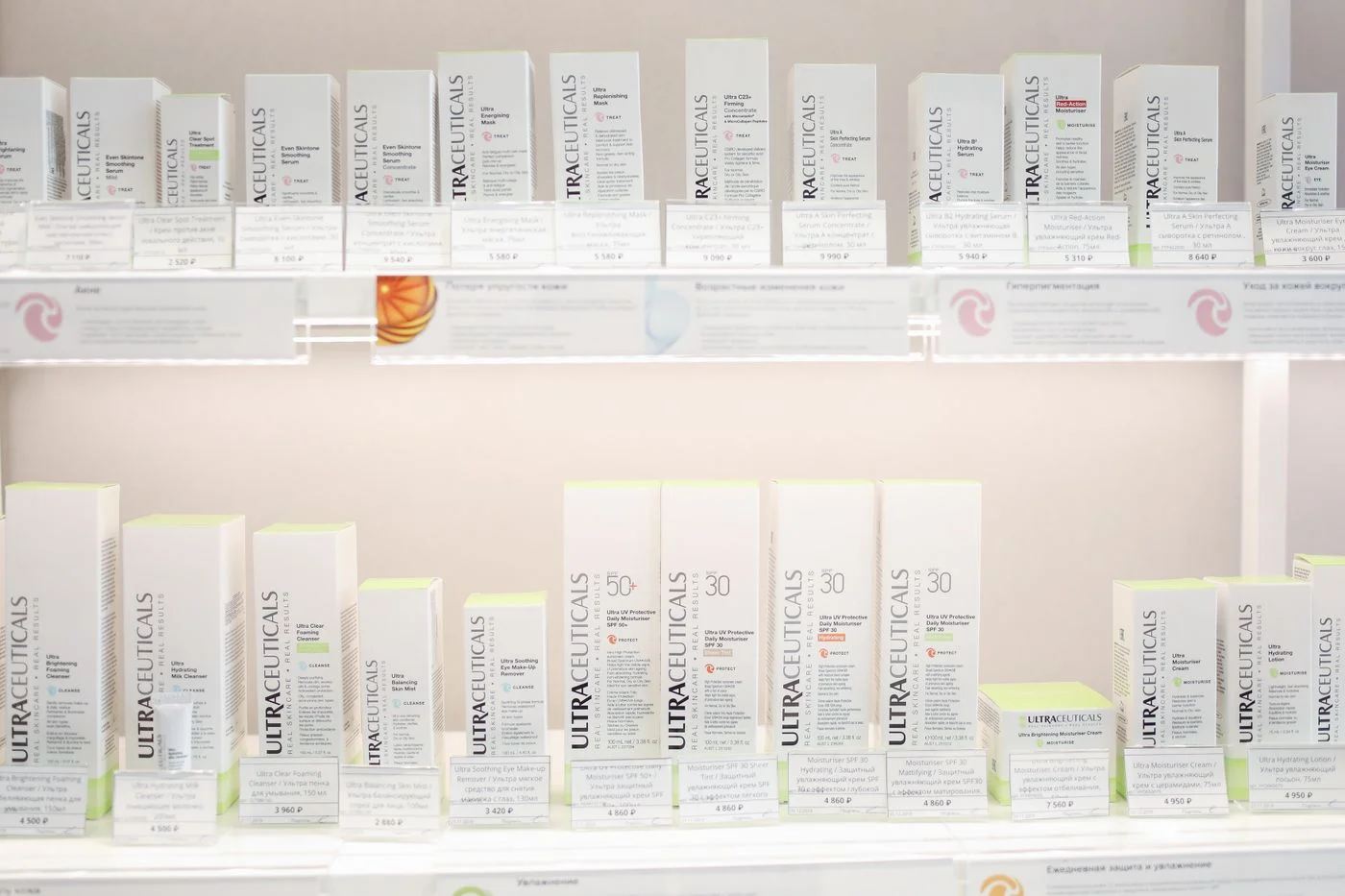
Standing in front of a moisturizer shelf, it is easy to compare the words in large print: rich, balancing, restoring, advanced. A more useful comparison starts with what you need the product to do in your routine and what its label actually tells you.
Choose a small number of candidates rather than reading every package. Keep the intended area and use consistent. A facial moisturizer, a body lotion, and a product with sunscreen may serve different roles, so their prices and directions should not be treated as directly interchangeable.
Think about use before ingredients as a list
Consider the texture you prefer and the setting in which you will apply it. A lightweight texture may be convenient under daytime makeup; a richer-feeling product may appeal at another time. Those preferences do not establish that one formula is medically superior or suitable for every skin type.
If you already know a product or ingredient causes you trouble, check the label carefully. If you have persistent irritation, a skin condition, or questions about prescribed treatment, seek appropriate professional advice instead of trying to solve the issue by ranking fashionable ingredients.
Handle the package in your imagination
Would a pump be easy to use with one hand? Can a tube stand in the space available? Is the label readable, and will you be able to identify the product without keeping its outer box? Packaging affects convenience even when the formula is the main interest.
Avoid treating an elaborate container as evidence of a better moisturizer. Compare the amount of product inside, not the apparent size of the jar. A heavy lid and thick walls can make a small quantity look generous.
Put the price in context
Calculate price per ounce or milliliter when comparing similar products, then consider whether you will use the amount before its expiry or opening guidance. The largest package is not good value if much of it sits unused.
Read directions and cautions before buying, particularly if the product includes sunscreen or another specific active function. Do not assume a moisturizer with an extra feature can be applied exactly like an ordinary cream.
If a sample or smaller size is available, it may help you learn the texture without committing to a large container. Introduce unfamiliar products thoughtfully rather than changing several steps at once. The useful outcome is a moisturizer that fits your actual routine, not the most impressive collection of claims on the shelf.
Continue exploring
Choosing a Beauty Device You Will Actually Use
Start with an ordinary week, not an ideal routine. Match the device’s preparation, care, and costs to the way you already live.
Keep reading: Choosing a Beauty Device You Will Actually Use
Questions to Ask Before Buying a Facial Cleansing Tool
Use a short set of questions to compare the real routine: suitability, pressure, cleanser compatibility, maintenance, and replacement parts.
Keep reading: Questions to Ask Before Buying a Facial Cleansing Tool