How to Compare Oral-Care Devices Without Overbuying
Start with the task and any dental advice, then compare grip, controls, replacement parts, and cleaning. More modes do not automatically mean a better routine.
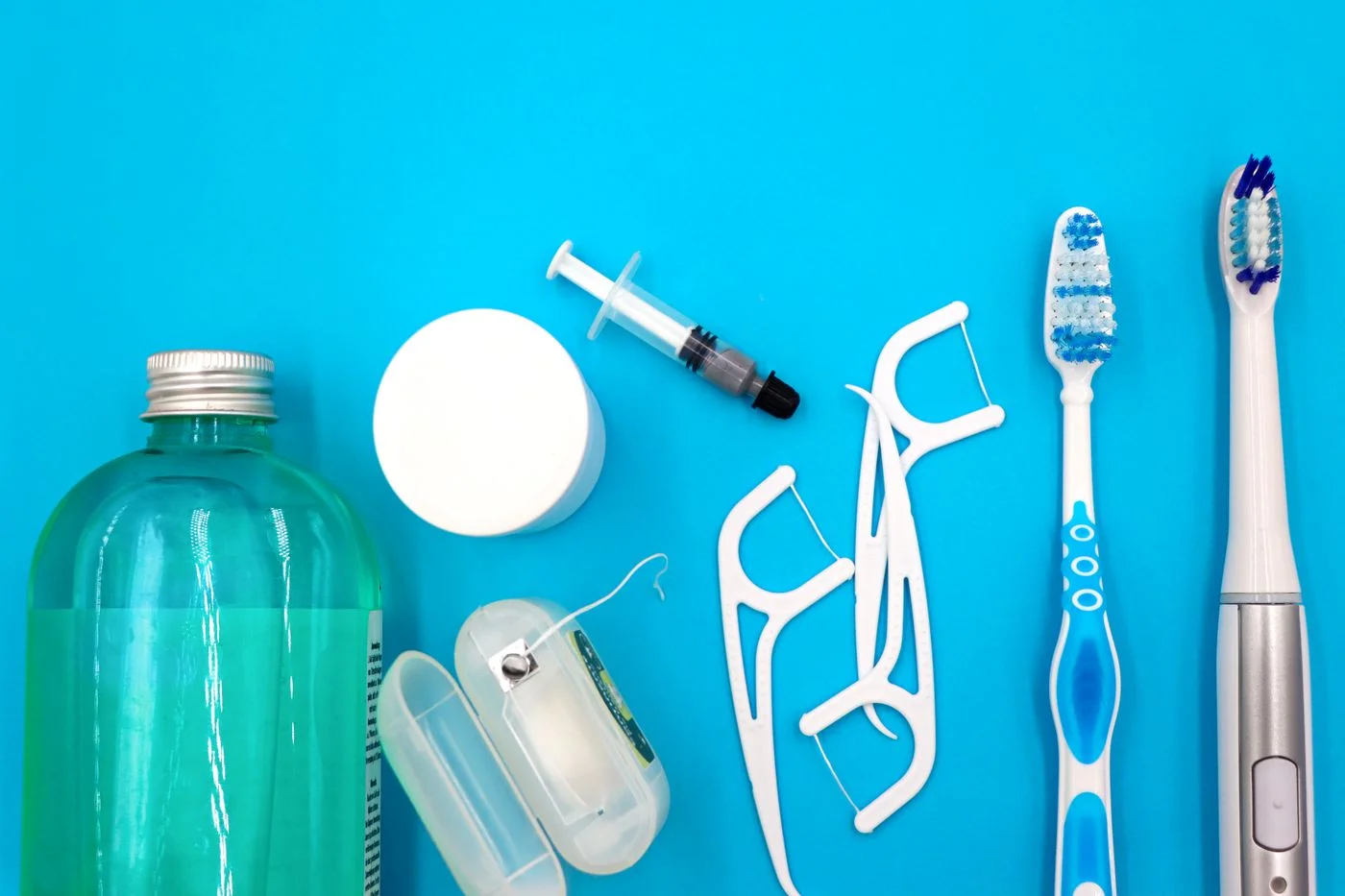
An oral-care display can make a simple routine look incomplete. There are brushes with multiple modes, connected handles, pressure sensors, water flossers, travel cases, and cleaning accessories. Before comparing features, identify the task you are trying to make easier and any advice you have received from your dental professional.
Keep brushing and cleaning between teeth distinct. Different tools can have different roles, and buying a new device does not automatically replace the other parts of a routine. If you have braces, implants, gum concerns, dexterity difficulties, or another specific need, ask your dentist or hygienist which type of tool and technique is appropriate.
Compare the basic experience first
For a toothbrush, consider the head size, handle shape, weight, and controls. The American Dental Association notes that both manual and powered toothbrushes can be used effectively. A powered model may appeal for practical reasons without making the most expensive handle necessary.
Look at whether a timer or pressure cue would help you follow your routine. Then ask how clearly that feature communicates. A useful indicator is one you can understand during use, not simply a specification listed on the box.
Price the replacement system
Find the exact compatible heads or tips and their ordinary cost. Check pack sizes, availability, and any model exclusions. A discounted handle may be less attractive if replacement parts are difficult to identify or unusually costly for your budget.
For a water flosser or similar product, consider the reservoir, cleaning process, counter space, and permitted storage. A large set of tips is helpful only if you know their purpose and they match advice relevant to you. Do not buy specialized attachments solely because they are included in a premium package.
Give software and extras a separate decision
An app may offer guidance or records, but ask whether you want to use a phone during oral care. Confirm any activation requirement, supported phone versions, account needs, and fees. A feature that remains unopened should not dominate the comparison.
Check the case, charger, and travel arrangements for your actual habits. Someone who rarely travels may prefer easy cleaning and affordable heads over a charging case. Someone with limited counter space may value a compact base more than extra modes.
Verify claims without expecting a personal guarantee
If a product displays the ADA Seal, check the exact item and the specific benefit described through the ADA's consumer information. Do not assume one accepted product gives every related model the same status.
Finish with a shortlist that includes the simplest suitable option. The right oral-care purchase helps you carry out the routine recommended for you, with manageable maintenance and costs. It should not make you feel that every available feature is another task you have failed to add.
Continue exploring
Choosing a Beauty Device You Will Actually Use
Start with an ordinary week, not an ideal routine. Match the device’s preparation, care, and costs to the way you already live.
Keep reading: Choosing a Beauty Device You Will Actually Use
Questions to Ask Before Buying a Facial Cleansing Tool
Use a short set of questions to compare the real routine: suitability, pressure, cleanser compatibility, maintenance, and replacement parts.
Keep reading: Questions to Ask Before Buying a Facial Cleansing Tool