Refillable Packaging: What to Check First
A refill is useful only if it fits the container, stays available, and has clear replacement instructions. Compare the whole system before buying.
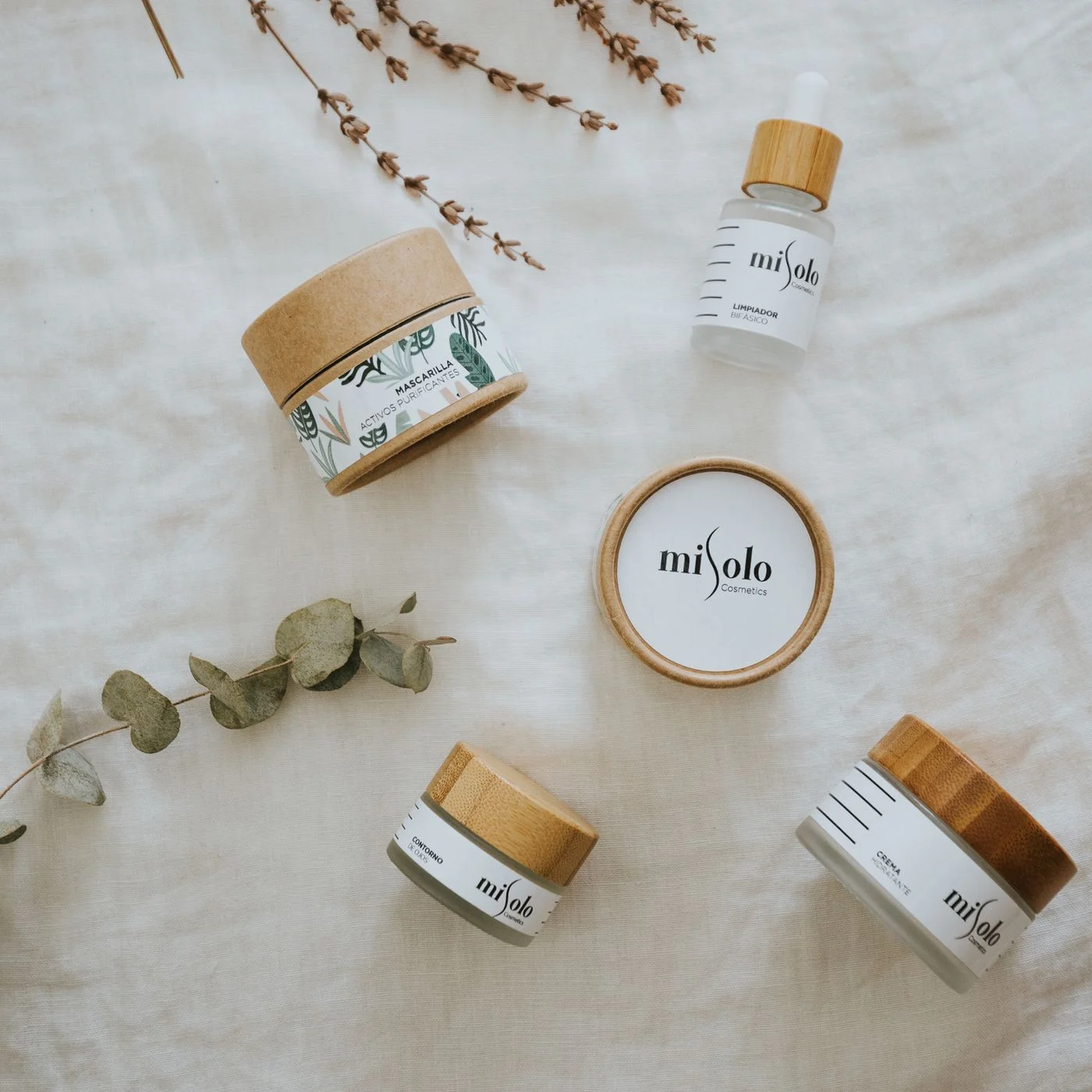
A refillable jar can be an appealing purchase, but the refill system deserves as much attention as the jar itself. Find out exactly what is reused, what is replaced, and how the refill is installed. A product is easier to maintain when those answers are clear before the first container is empty.
Start by locating the actual refill for the exact product and size. Similar-looking jars may use different inserts, and a refill for one formula may not belong in another container. Save the product and refill names together so a later order is straightforward.
Read the changeover instructions
Some systems use a sealed replacement pod; others involve pouring a refill into a reusable container. Follow the maker's hygiene and cleaning guidance for that system. Do not top up old product with new product or improvise a cleaning method unless the instructions expressly call for it.
Check whether the pump, lid, or dispensing mechanism has its own replacement guidance. Reusing a decorative outer shell does not necessarily mean every working part is designed to last indefinitely. If a component becomes damaged or difficult to clean, ask for the proper replacement.
Compare cost with realistic use
Calculate the refill price per amount and compare it with the standard product. Include shipping if refills are available only online. The initial container may cost more, so consider how often you genuinely expect to repurchase the same formula.
If you are trying a product for the first time, avoid committing to several refills immediately. A lower unit price is not useful if you later decide that the texture or routine does not suit you. Keep expiry and opening guidance in the comparison as well.
Be specific about environmental claims
A refill may reduce one type of packaging while still containing other materials. Look for clear information about the components and local disposal options rather than assuming every part is recyclable. Do not treat a refill label alone as proof of a complete environmental advantage.
Think about availability and longevity. Is the refill currently easy to buy? Does the company explain what to do if the reusable dispenser fails? You cannot predict future stock, but you can avoid a system whose essential parts are already unclear.
Refillable packaging works best when you like the product enough to keep using it and can follow the intended process without mess or uncertainty. The reusable container should support that routine, not lock you into a formula merely because the jar looks too attractive to abandon.
Continue exploring

Choosing a Beauty Device You Will Actually Use
Start with an ordinary week, not an ideal routine. Match the device’s preparation, care, and costs to the way you already live.
Keep reading: Choosing a Beauty Device You Will Actually Use
Questions to Ask Before Buying a Facial Cleansing Tool
Use a short set of questions to compare the real routine: suitability, pressure, cleanser compatibility, maintenance, and replacement parts.
Keep reading: Questions to Ask Before Buying a Facial Cleansing Tool