Shopping During a Sale Without Duplicating Your Routine
Take a quick inventory before opening a sale page. A short replacement list helps distinguish a useful offer from another version of what you already own.
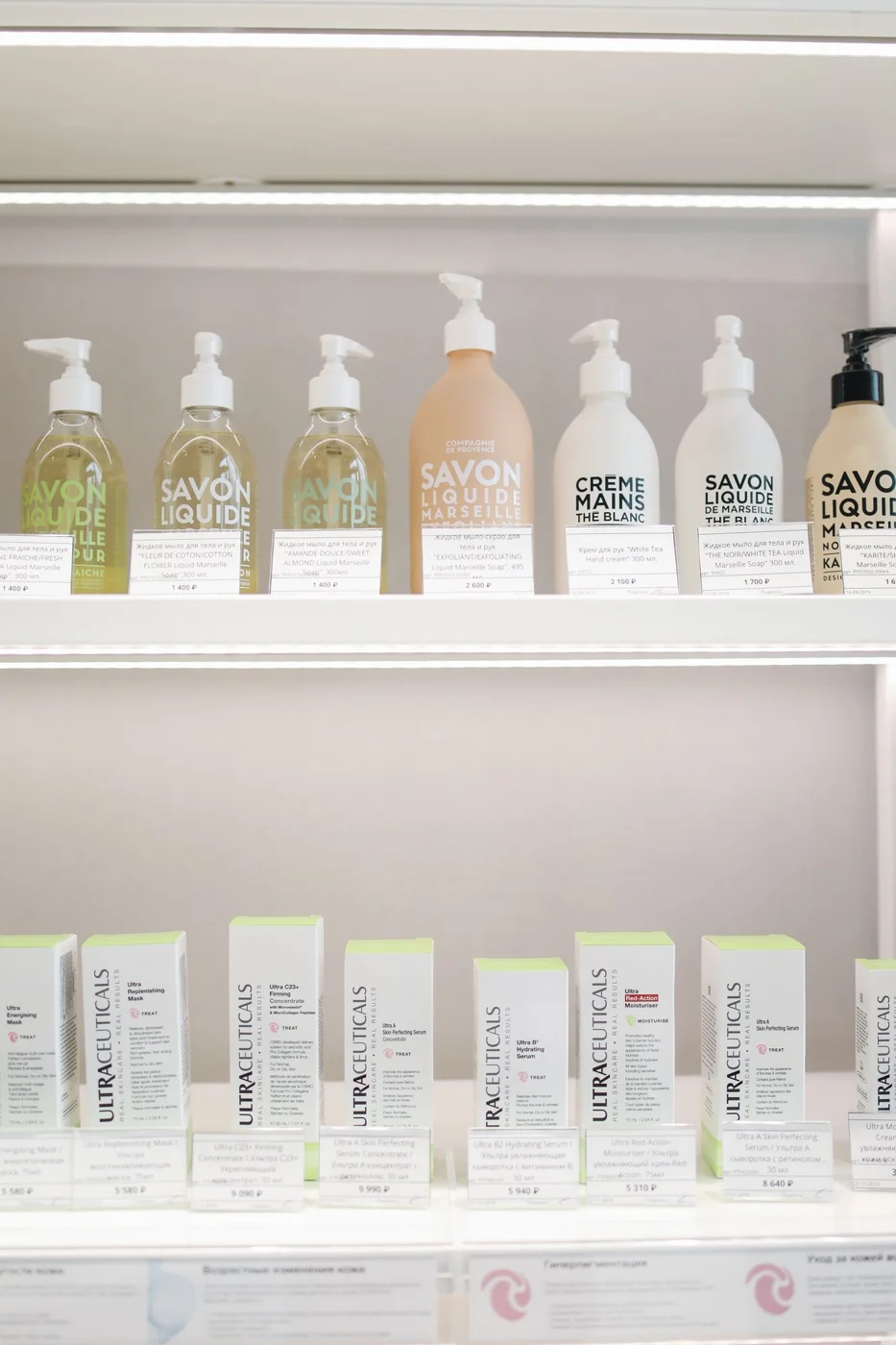
A sale is easier to navigate when you know what is already in the bathroom. Before opening the offers, check the products currently in use, unopened backups, and tools you rarely reach for. You may find that the item you were about to buy has a close equivalent on the shelf.
Make a short list of actual replacements. Include the exact product and size if you already know what you want. Keep optional trials in a separate list so they do not quietly become essentials when a discount appears.
Compare roles, not just names
Two products can have different packaging and marketing language while occupying the same place in your routine. Ask when you would use the new item and which existing step it would replace. If the answer is that you would add another similar step, consider whether that is really the routine you want.
The same question applies to devices. A new model may look different while serving the same purpose as a tool you already own. Identify the specific problem the upgrade solves before counting extra modes as a reason to replace working equipment.
Keep the quantity realistic
A familiar product at a useful price may be worth buying before it runs out. Several backups create a different decision. Check expiry, opening guidance, storage conditions, and your actual rate of use. The price per unit matters only for the units you will use appropriately.
Avoid adding unrelated items solely to reach a shipping threshold. Compare the cost of paying shipping with the additional purchase. A small delivery charge may be less expensive than a product you would not otherwise want.
Finish with the current terms
Verify the exact model, quantity, seller, and final checkout total. Read any sale-specific return conditions. A previous order from the same store does not establish that every later offer has identical terms.
Save the receipt and update your small inventory after buying. That final step prevents the same bargain from becoming a duplicate during the next promotion. You do not need a complex spreadsheet; a note showing one unopened replacement is often enough.
The aim is to let a sale support the routine you have chosen. If nothing on your replacement list is offered at a worthwhile price, leaving without a purchase is a complete and useful outcome.
Continue exploring

Choosing a Beauty Device You Will Actually Use
Start with an ordinary week, not an ideal routine. Match the device’s preparation, care, and costs to the way you already live.
Keep reading: Choosing a Beauty Device You Will Actually Use
Questions to Ask Before Buying a Facial Cleansing Tool
Use a short set of questions to compare the real routine: suitability, pressure, cleanser compatibility, maintenance, and replacement parts.
Keep reading: Questions to Ask Before Buying a Facial Cleansing Tool