Travel Sizes Versus Full Sizes for Product Trials
A smaller package can reduce commitment, but compare the amount, dispenser, and trial purpose before deciding which size makes sense.
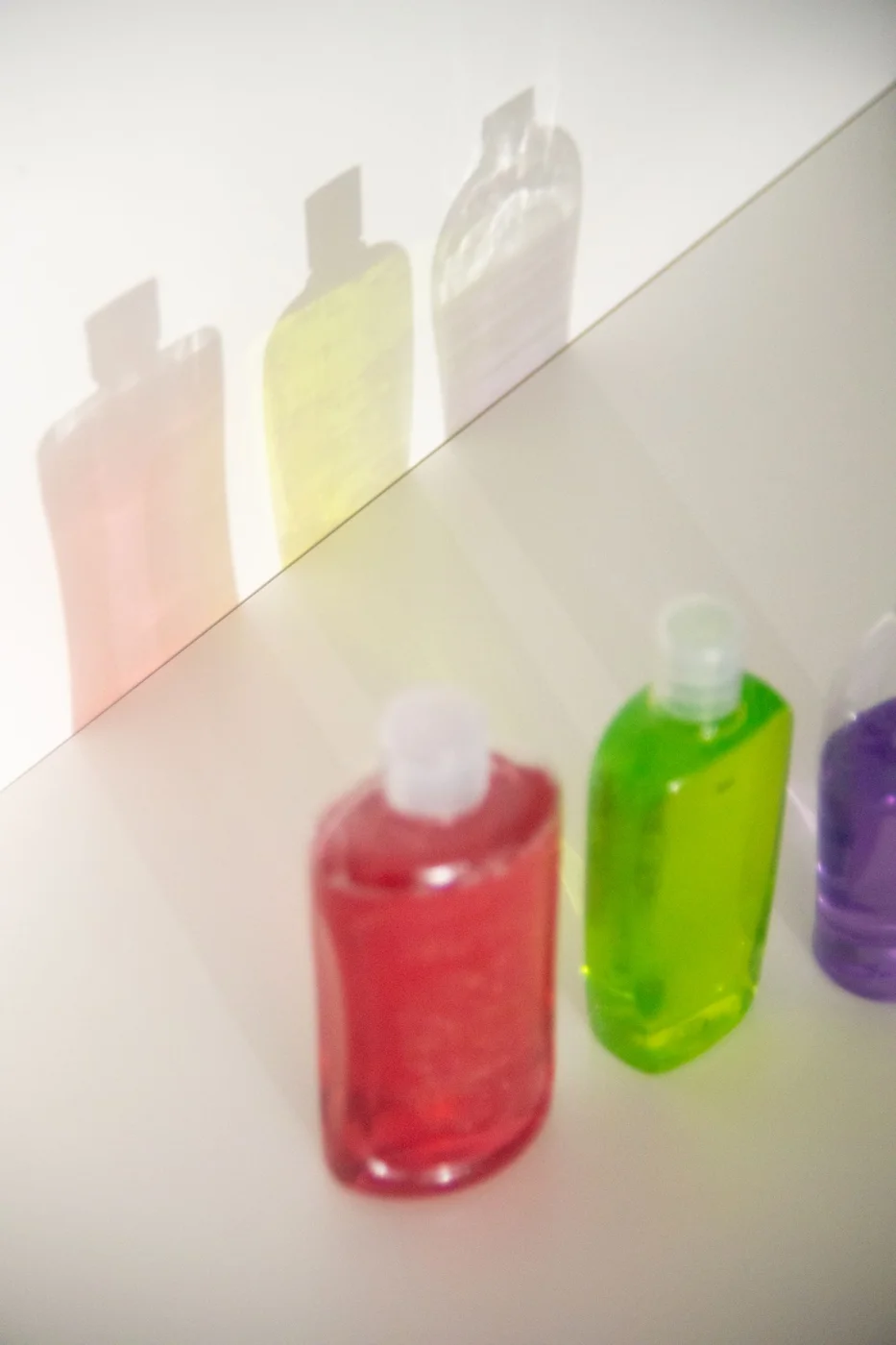
A travel-size product is not always the cheapest way to buy a formula, but it can be a sensible way to avoid owning a large quantity you may not enjoy. The right size depends on what you are trying to learn: texture, fragrance, packaging, convenience, or compatibility with the rest of your routine.
Keep those questions separate from long-term treatment claims. A few uses may tell you that a cream feels too heavy for your preference. They cannot necessarily establish whether a product will deliver a result that its label describes over a longer period.
Compare the actual package
Check that the small size contains the same product, not a related formula with a similar name. Look at the amount and directions. A sachet, squeeze tube, and pump bottle can also produce different day-to-day experiences even when the formula is identical.
Consider whether you can keep the trial package clean and closed between uses. A tiny open sachet may be less convenient than a resealable miniature. Follow the product's instructions rather than stretching an opened sample beyond the way it is intended to be stored.
Use unit price without letting it decide everything
A full-size bottle often has a lower price per ounce or milliliter. That matters when you already know you will use it. During a first trial, the unused portion is part of the cost too. Spending less overall on a small package can be reasonable even when its unit price is higher.
Avoid buying a multi-item travel set merely to get one product. Add up the price of the item you want and ask whether the extra miniatures have a real role. Otherwise the trial becomes another route to a crowded shelf.
Keep the experiment understandable
Introduce an unfamiliar product thoughtfully, with its directions and warnings available. Do not change several steps at the same time simply because a box contains several small bottles. If discomfort occurs, stop and seek appropriate advice rather than finishing the sample to obtain a verdict.
After the trial, write a brief note about what you actually learned. If you liked the product, compare the full-size packaging and cost before ordering. If you did not, the small amount has already served its purpose by limiting commitment. You do not need to turn every trial into a purchase.
Continue exploring
Choosing a Beauty Device You Will Actually Use
Start with an ordinary week, not an ideal routine. Match the device’s preparation, care, and costs to the way you already live.
Keep reading: Choosing a Beauty Device You Will Actually Use
Questions to Ask Before Buying a Facial Cleansing Tool
Use a short set of questions to compare the real routine: suitability, pressure, cleanser compatibility, maintenance, and replacement parts.
Keep reading: Questions to Ask Before Buying a Facial Cleansing Tool