Writing Your Own Beauty Purchase Shortlist
A short written comparison helps you keep needs, preferences, unknowns, and costs separate when product pages begin to blur together.
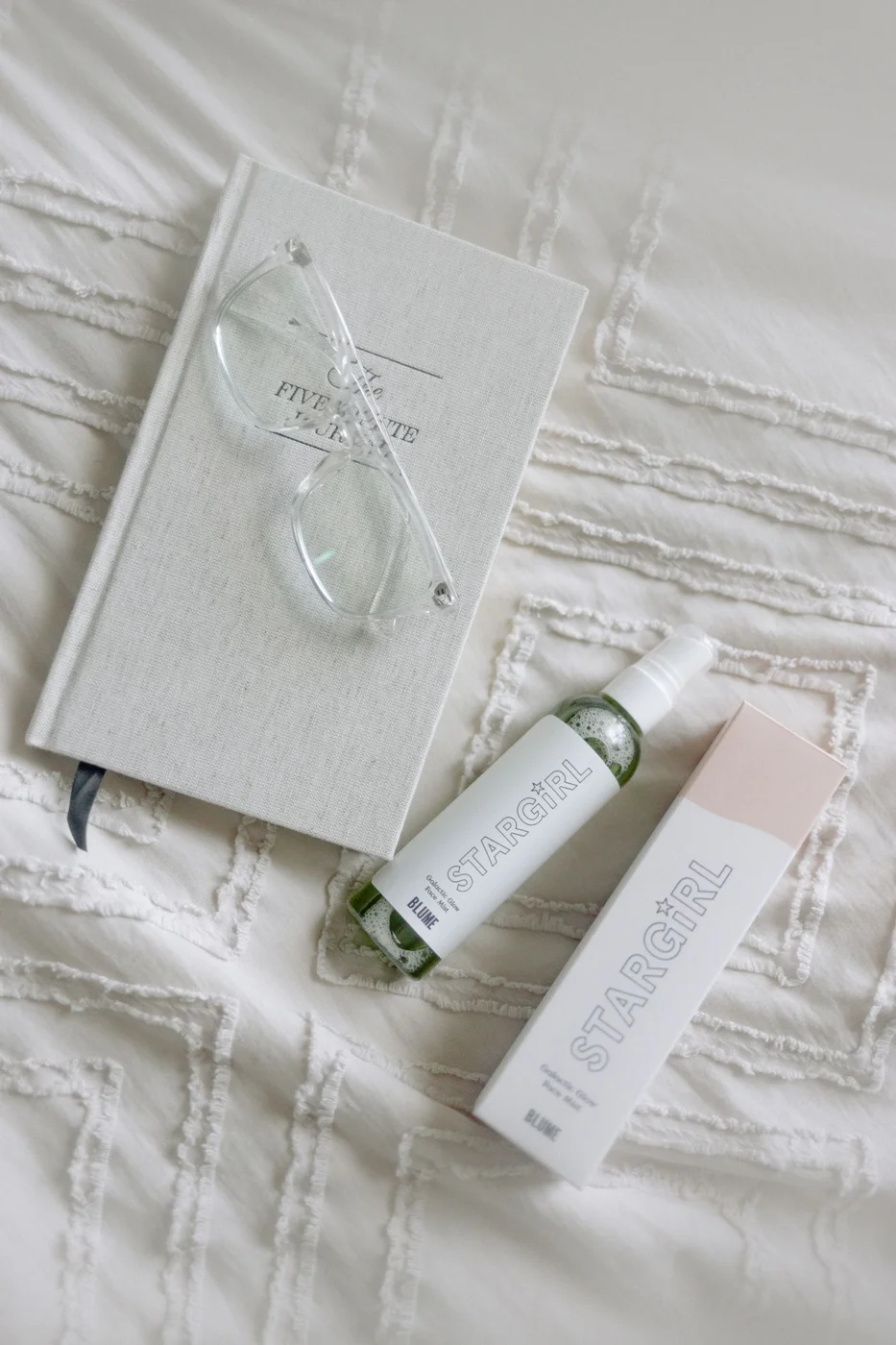
After several beauty product tabs, the differences can become harder to remember rather than clearer. One page emphasizes a discount, another an app, and another a transformation photograph. A personal shortlist brings the comparison back to the few facts that affect your decision.
Begin with a sentence about the purchase: I want a tool for this specific task, within this budget, with these practical limits. Keep it plain. The sentence should be understandable without using the brand's marketing vocabulary.
Choose a small set of criteria
Separate requirements from preferences. A device's suitability under its warnings is a requirement. A preferred color is a preference. A manual-control routine may be a requirement for you even if another shopper enjoys an app. Your list does not need to imitate anyone else's priorities.
Include maintenance, storage, required products, replacement parts, and support. These are easy to forget when the comparison focuses only on the main feature. For a cosmetic product, include its role, amount, packaging, directions, and how it fits with what you already use.
Keep unknowns visible
Use a simple note for each candidate: confirmed facts, unanswered questions, and source links. Do not give a missing detail an optimistic answer. Ask the manufacturer or seller about product facts, and an appropriate clinician about personal medical suitability.
Save the exact model or formula name so that a later sale does not quietly switch the comparison to a different version. Record when you checked prices and terms, since those can change before checkout.
Compare the full cost
Write the initial total and likely ongoing purchases separately. Add required accessories and shipping where relevant. Keep optional extras in another line so you can see how much they change the decision.
Limit the shortlist to a few viable options. If a candidate fails a requirement, remove it instead of keeping it because it photographs well or has a high review score. Include keeping your current routine as a legitimate alternative.
Before ordering, read the manual or label once more and check the seller's current terms. Then write one sentence explaining why the chosen option fits better than the alternatives. If the sentence is mostly about urgency or fear of missing a sale, pause.
The shortlist is finished when it helps you make a clear decision, including a decision not to buy. It should reduce the number of things competing for attention, not become another elaborate project that makes a simple personal-care purchase harder.
Continue exploring
Choosing a Beauty Device You Will Actually Use
Start with an ordinary week, not an ideal routine. Match the device’s preparation, care, and costs to the way you already live.
Keep reading: Choosing a Beauty Device You Will Actually Use
Questions to Ask Before Buying a Facial Cleansing Tool
Use a short set of questions to compare the real routine: suitability, pressure, cleanser compatibility, maintenance, and replacement parts.
Keep reading: Questions to Ask Before Buying a Facial Cleansing Tool