Device Intensity Settings Are Not a Competition
Choose settings by the product’s instructions and your suitability, not by the highest number available or someone else’s routine.

A row of intensity lights can make a beauty device feel like a progression system. Start at one, work toward the maximum, and count higher as better. That interpretation is easy to bring from other gadgets, but it is not a sensible goal for a skin-contact tool.
The number of available settings tells you that the product can operate in different ways. It does not tell you that every user should reach the top setting, that a stronger sensation predicts a better result, or that more intensity can replace correct technique.
Read how the manufacturer says to select a level. Some products distinguish modes as well as intensity, and a change in mode can alter what a button press means. Understand the starting configuration rather than assuming that a newly charged device returns to a gentle default.
If an app saves preferences, check them after setup, a reset, or a shared-device arrangement permitted by the maker. An illuminated level is useful only when you know what range it refers to. Do not copy a screenshot of another person's settings without knowing the exact model and instructions.
Change one decision at a time
When the directions permit an adjustment, avoid simultaneously changing duration, frequency, application pressure, and product. Otherwise it becomes difficult to understand what changed in the experience. Do not increase intensity to compensate for missed sessions or unclear positioning.
Discomfort should not become a threshold you train yourself to tolerate. Stop for pain, burning, irritation, or unexpected behavior and follow the safety guidance. If a device is unsuitable at the settings and technique described in its instructions, forcing a stronger routine is not a solution.
Keep your own reason for using the tool
An online demonstration may emphasize the highest level because it is easy to show and describe. Your routine does not need to reproduce that performance. The useful question is whether the tool can be used appropriately and comfortably for its intended purpose.
You can leave advanced settings unused for the entire life of a product. You can also decide that a simpler device would have been a better purchase. A level indicator is a control, not a grade, and an optional beauty routine does not need a personal record to beat.
Continue exploring
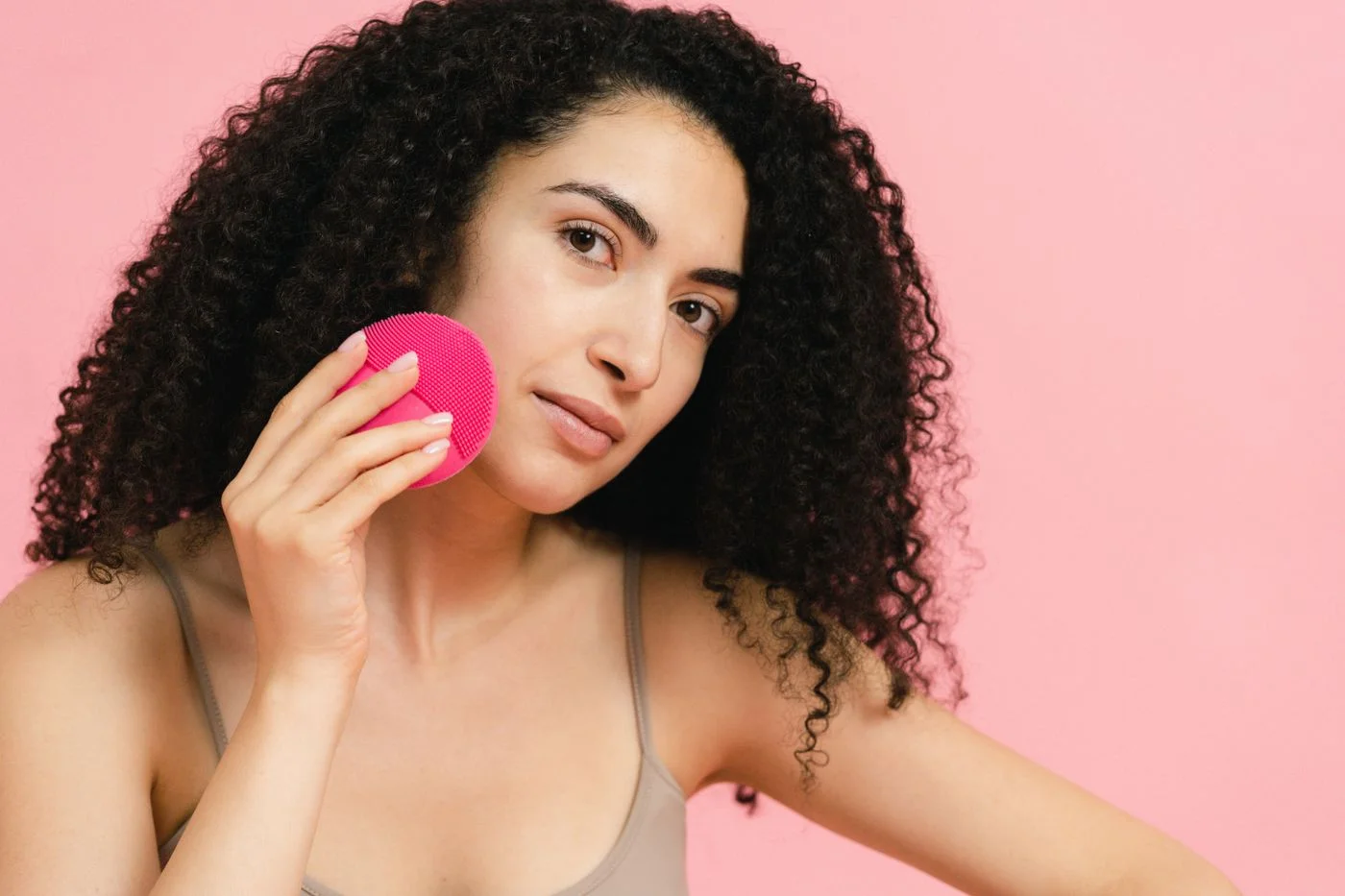
Before Your First Facial Cleansing Device
A facial cleansing tool is an optional addition. Start with the manual, a compatible cleanser, and a plan for keeping the tool clean.
Keep reading: Before Your First Facial Cleansing Device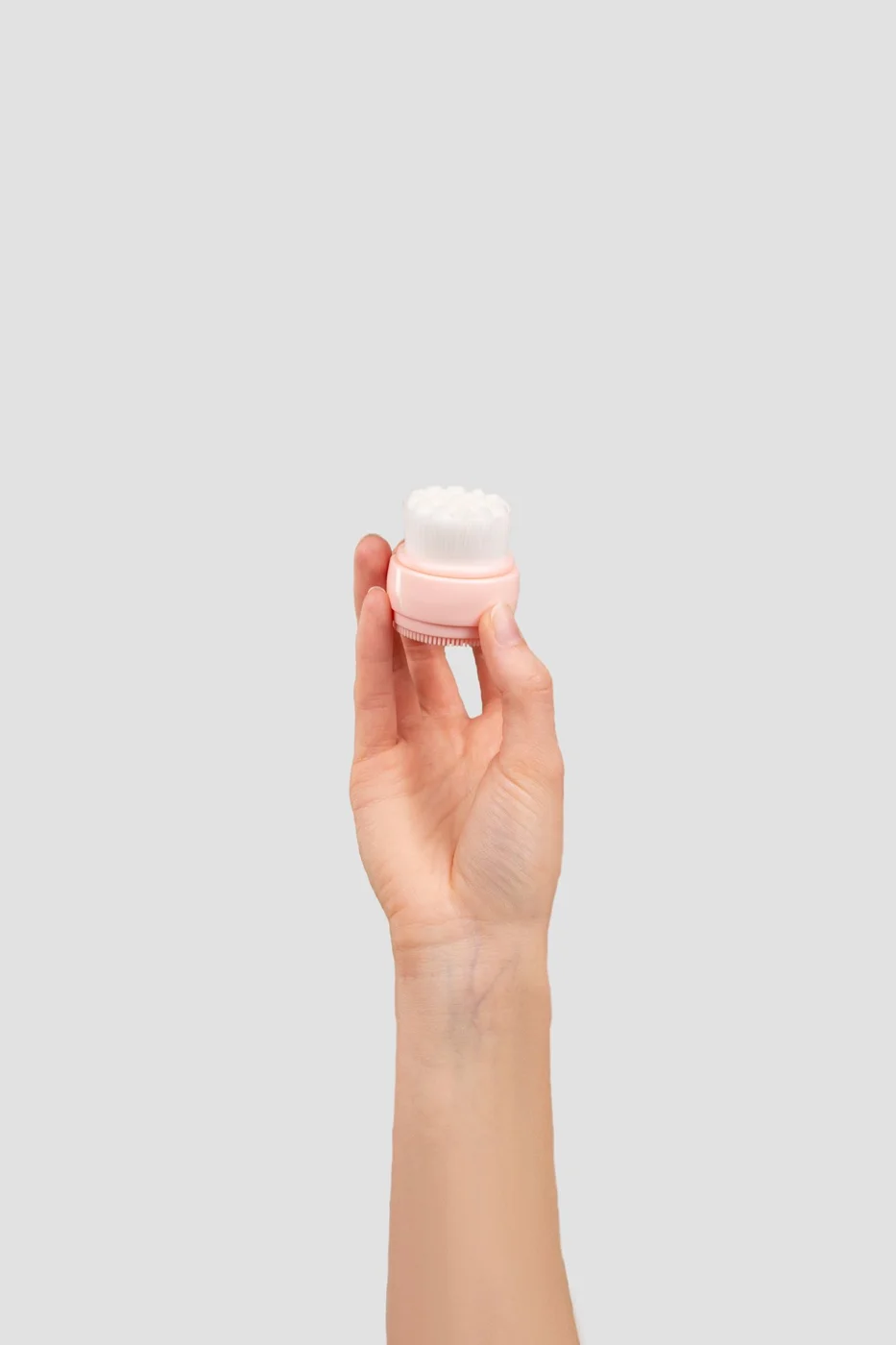
Silicone and Bristle Cleansing Tools: Everyday Differences
The surface material is only part of the decision. Consider drying, replacement parts, grip, and how the whole tool fits beside your sink.
Keep reading: Silicone and Bristle Cleansing Tools: Everyday Differences