Microcurrent Devices: What to Check Before Use
A microcurrent tool needs more preparation than a facial roller. Start with suitability, the exact manual, and a compatible conductive product.
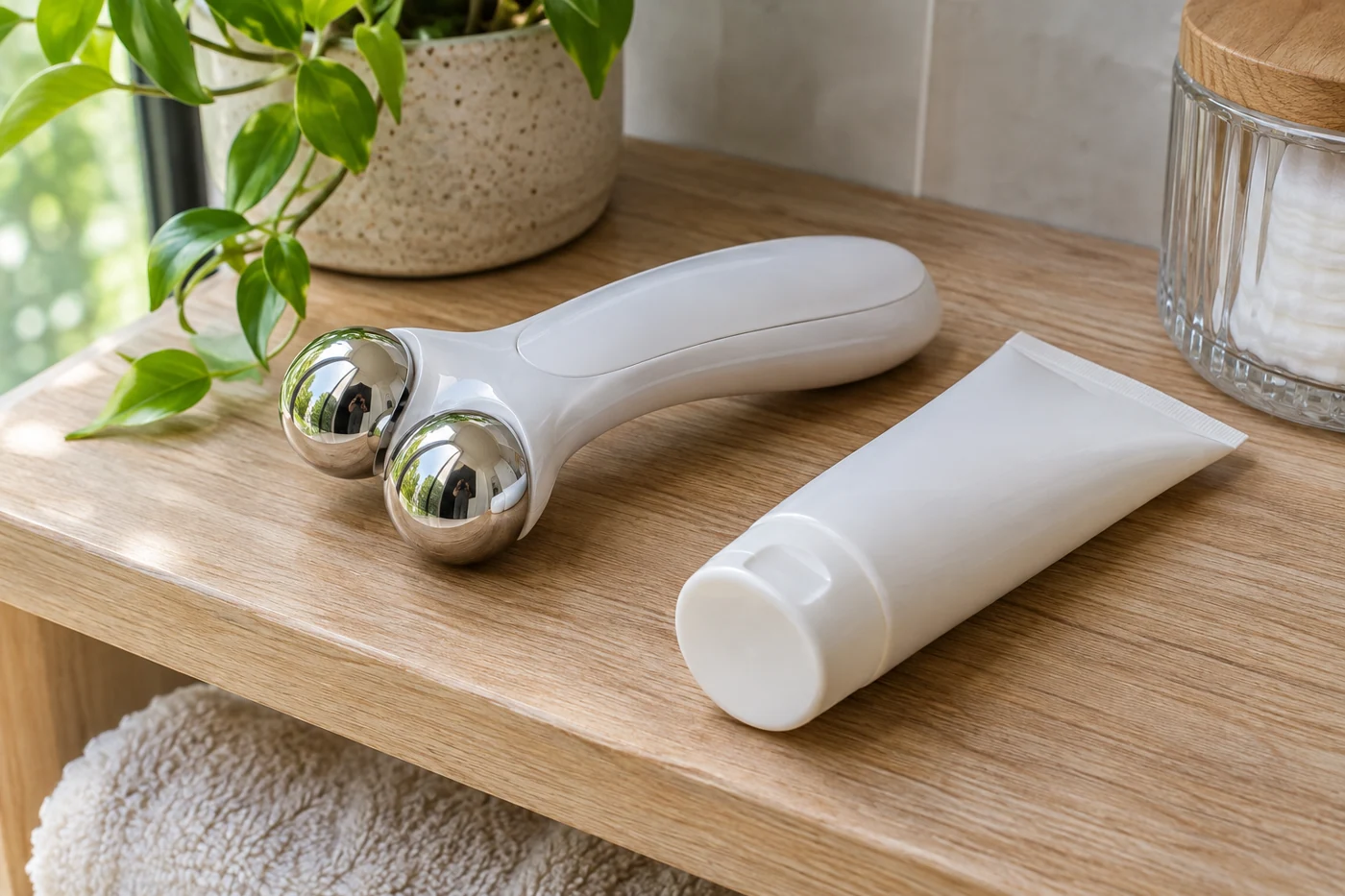
A microcurrent device should not be approached as a facial roller with a power button. It uses an electrical function, and the warnings, permitted areas, contact technique, and compatible products are part of how it is meant to be used. Attractive photographs of a device moving along a jawline do not provide those details.
Before the first session, find the manual for the exact model. Read it before opening a conductive product or setting up the app. A retailer's short description may leave out restrictions that matter much more than the number of intensity settings.
Begin with suitability
Microcurrent manuals can contain exclusions involving implanted electronic devices, health conditions, recent procedures, pregnancy, and particular areas of the body. The exact wording varies. The BEAR 2 manual is one example of a product with detailed warnings and contraindications. Its list should be read in full rather than replaced by a general blog checklist.
If an exclusion applies, do not experiment around it. If your circumstances are unclear, bring the manual to the appropriate clinician before using the tool. A customer-service team can explain product operation but cannot assess your personal medical suitability. Likewise, an online review from someone with a similar concern cannot settle that question.
Understand the contact product
Check which conductive medium the manufacturer requires and how it should be used. A product that feels slippery is not necessarily an acceptable substitute. Facial oils, ordinary moisturizers, and homemade mixtures should not be treated as interchangeable with the specified medium.
Calculate the ongoing cost before committing to the routine. How much product is supplied, where can you buy more, and does its opening or expiry guidance fit the pace at which you expect to use it? The answer can affect both convenience and cost without saying anything about whether a more expensive serum is better for your skin.
Know where the device may go
Study the manufacturer's diagrams for the permitted treatment areas. Do not copy a sweeping neck motion from a social video or assume that a device meant for one facial area is suitable for another. Smaller attachments can have their own instructions; their size alone is not proof of where they belong.
A mirror can help you follow positioning accurately. Arrange it before starting, with enough light to see where the contact points are placed. Keep the manual accessible rather than trying to remember a movement you saw once. Stop to recheck instructions when uncertain instead of continuing a session while distracted.
Use settings as instructions, not milestones
The highest level is not an achievement to unlock. Start and progress only as the model's directions specify. Do not combine a higher intensity, longer session, and more frequent schedule in pursuit of a visible result. Those changes make the routine different from the one the manufacturer describes.
Stop if use causes discomfort or irritation and follow the product's safety advice. A surprising sensation is a reason to pause, not evidence that the treatment is working harder. Do not use a tool that is damaged, overheating, or behaving unpredictably.
Finally, make room for cleaning and dry storage. Keep the receipt, model information, and support details together. Owning a microcurrent device also means being willing to skip a session, ask a question, or stop using it when circumstances change. A schedule on a phone should never override a warning in the manual.
Continue exploring

Before Your First Facial Cleansing Device
A facial cleansing tool is an optional addition. Start with the manual, a compatible cleanser, and a plan for keeping the tool clean.
Keep reading: Before Your First Facial Cleansing Device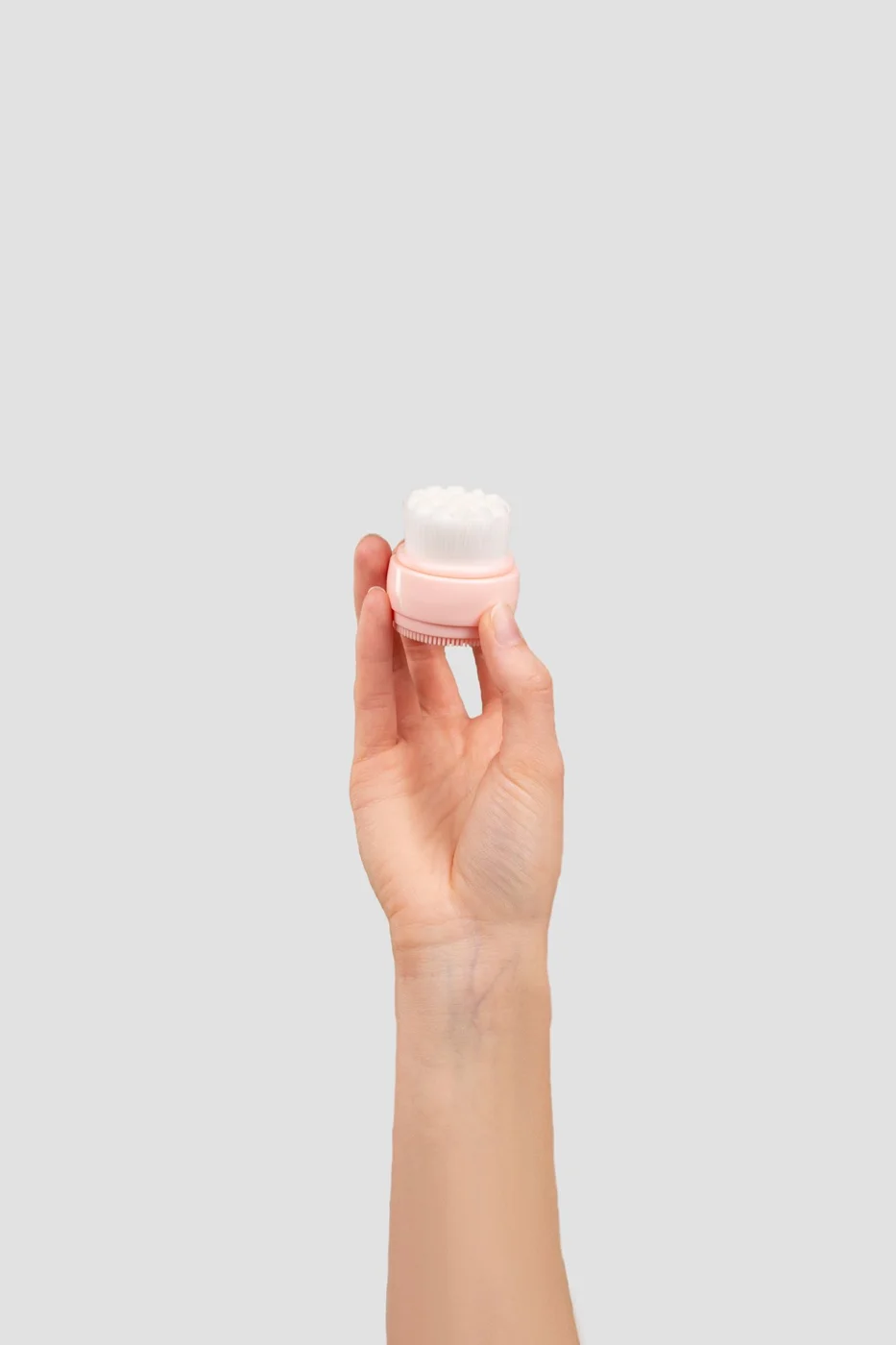
Silicone and Bristle Cleansing Tools: Everyday Differences
The surface material is only part of the decision. Consider drying, replacement parts, grip, and how the whole tool fits beside your sink.
Keep reading: Silicone and Bristle Cleansing Tools: Everyday Differences