How to Read a Beauty-Device Manual
Read the warnings and daily-use sections before the quick-start diagram. A few notes can turn a long manual into usable instructions.

A beauty-device manual is not always arranged in the order you need it. The first page may show a cheerful quick-start sequence while the restrictions sit near the back. Before trying the device, make a small route through the document: suitability, setup, use, cleaning, then troubleshooting.
Check that the model name and version match the item in your hands. Similar names sometimes cover a mini version, a revised generation, or a different treatment technology. A video for a related product is not a substitute for the correct manual. The FOREO manual library, for example, separates documents by model.
Read the restrictions before the routine
Look for headings such as warnings, contraindications, precautions, and intended use. These explain who should not use the device, which areas it is designed for, and circumstances that need professional advice. Do not turn a restriction into a suggestion just because the quick-start pictures look straightforward.
Mark anything you do not understand. A question about a medical condition belongs with a qualified health professional, with the exact product information available. A question about a flashing indicator or missing attachment belongs with the manufacturer. Sending each question to the right place saves a frustrating exchange of vague answers.
Build a one-session note
Write down what needs to happen before, during, and after one use. Include the preparation of the skin, any compatible product, the permitted areas, the duration, and the cleanup. This should be a reminder of the official instructions, not a rewritten treatment protocol with steps omitted.
Keep similar-sounding settings separate. Cleansing, massage, heating, and electrical functions may have different requirements even when they share a single button. A water-resistant body does not automatically mean every function can operate on wet skin or while connected to power.
Give maintenance its own space
Find the charging method, storage guidance, replacement parts, and cleaning restrictions. Add a note about the charger if an adapter is not supplied. Do not infer electrical compatibility from the fact that a cable fits into a socket.
Troubleshooting deserves a quick read before anything goes wrong. It may explain an indicator that would otherwise look alarming or tell you when to stop and contact support. Follow only user-level steps; a sealed device is not an invitation to open its housing.
Save the document where it will remain useful. A named PDF in the same folder as the receipt is easier to find than a screenshot buried among photographs. If the manufacturer updates its guidance, keep the current instructions and note the date. A manual is part of owning the product, not packaging to discard after the first charge.
Continue exploring

Before Your First Facial Cleansing Device
A facial cleansing tool is an optional addition. Start with the manual, a compatible cleanser, and a plan for keeping the tool clean.
Keep reading: Before Your First Facial Cleansing Device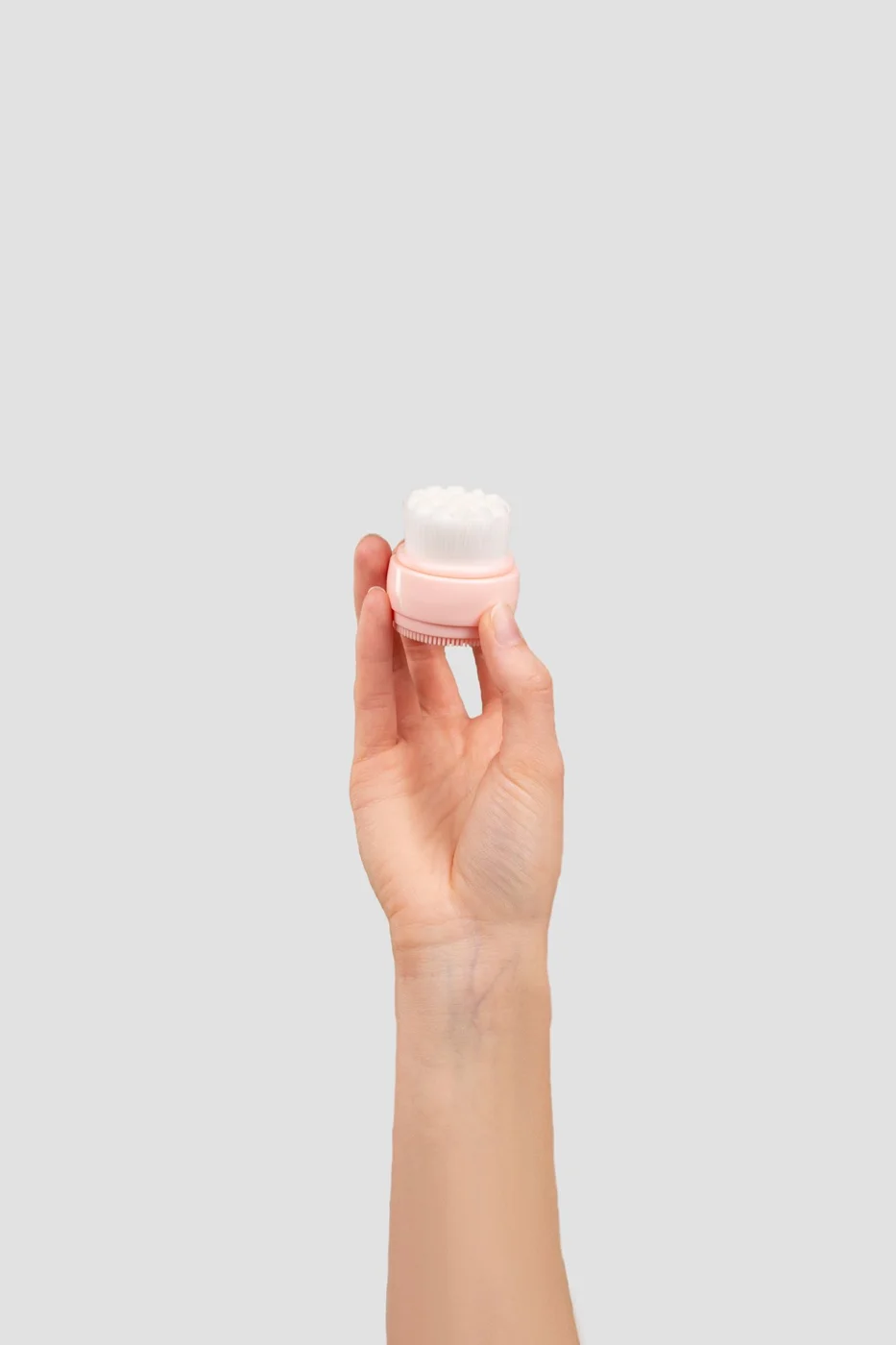
Silicone and Bristle Cleansing Tools: Everyday Differences
The surface material is only part of the decision. Consider drying, replacement parts, grip, and how the whole tool fits beside your sink.
Keep reading: Silicone and Bristle Cleansing Tools: Everyday Differences