Facial Steamers and the Risk of Too Much Heat
Steam can cause scalds. If you are considering a facial steamer, evaluate its instructions and physical setup before treating heat as a benefit.
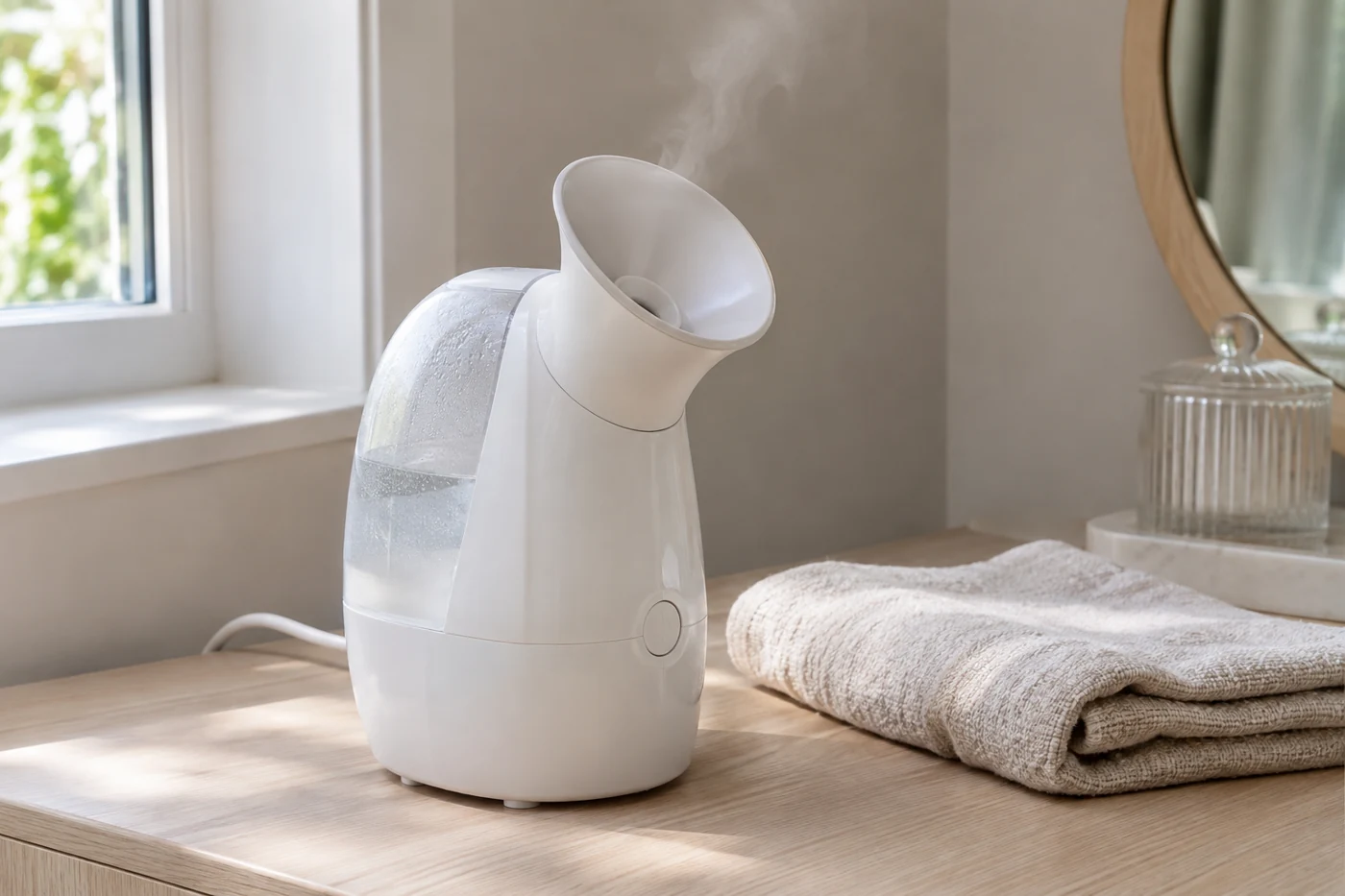
A bowl of rising steam makes a relaxing photograph, but it also contains a simple hazard. Hot water and steam can cause scalds, as the NHS explains in its burns and scalds guidance. That fact belongs at the beginning of a conversation about facial steamers, not in fine print after a list of cosmetic promises.
A steamer is optional. You do not need to introduce hot steam to make ordinary facial cleansing complete. Avoid improvised arrangements involving bowls of very hot water, towels trapping steam, or leaning close to an uncontrolled source of heat.
Evaluate the equipment rather than the photograph
For a purpose-built product, read the exact manual before purchase. Look for the specified position, distance, session limits, water requirements, and warnings. If the seller provides only a promotional video, ask for the full instructions. Unclear operating limits are a reason to pause the purchase.
Consider where the steamer would sit. It needs the stable arrangement described by the manufacturer, with a cord that cannot easily be pulled or tripped over. A crowded counter beside children, pets, or someone moving past is a poor place to experiment with heated water.
Do not add your own ingredients
Essential oils, fragrance, herbs, and cosmetic liquids should not be added unless the device is explicitly designed for them and its instructions permit them. A pleasant scent does not establish compatibility with the tank or vapor system. Use only what the manual specifies.
Likewise, do not extend a session because the steam feels mild at first. Follow the stated limits and stop if it feels uncomfortable. If you have a skin condition or uncertainty about heat exposure, seek appropriate medical advice before use rather than assuming a home appliance is suitable.
Plan the end before the start
Understand how the unit cools, when it may be opened or emptied, and how it should be cleaned. Do not rush to refill or move a hot tank. Keep the device out of use if it leaks, tips unpredictably, or behaves differently from its instructions.
If a burn or scald occurs, stop using the equipment and obtain appropriate first-aid or medical guidance promptly; do not put cosmetic products on the injury to continue the routine. The sensible goal is a comfortable, uncomplicated care routine. Steam does not have to be part of it.
Continue exploring

Before Your First Facial Cleansing Device
A facial cleansing tool is an optional addition. Start with the manual, a compatible cleanser, and a plan for keeping the tool clean.
Keep reading: Before Your First Facial Cleansing Device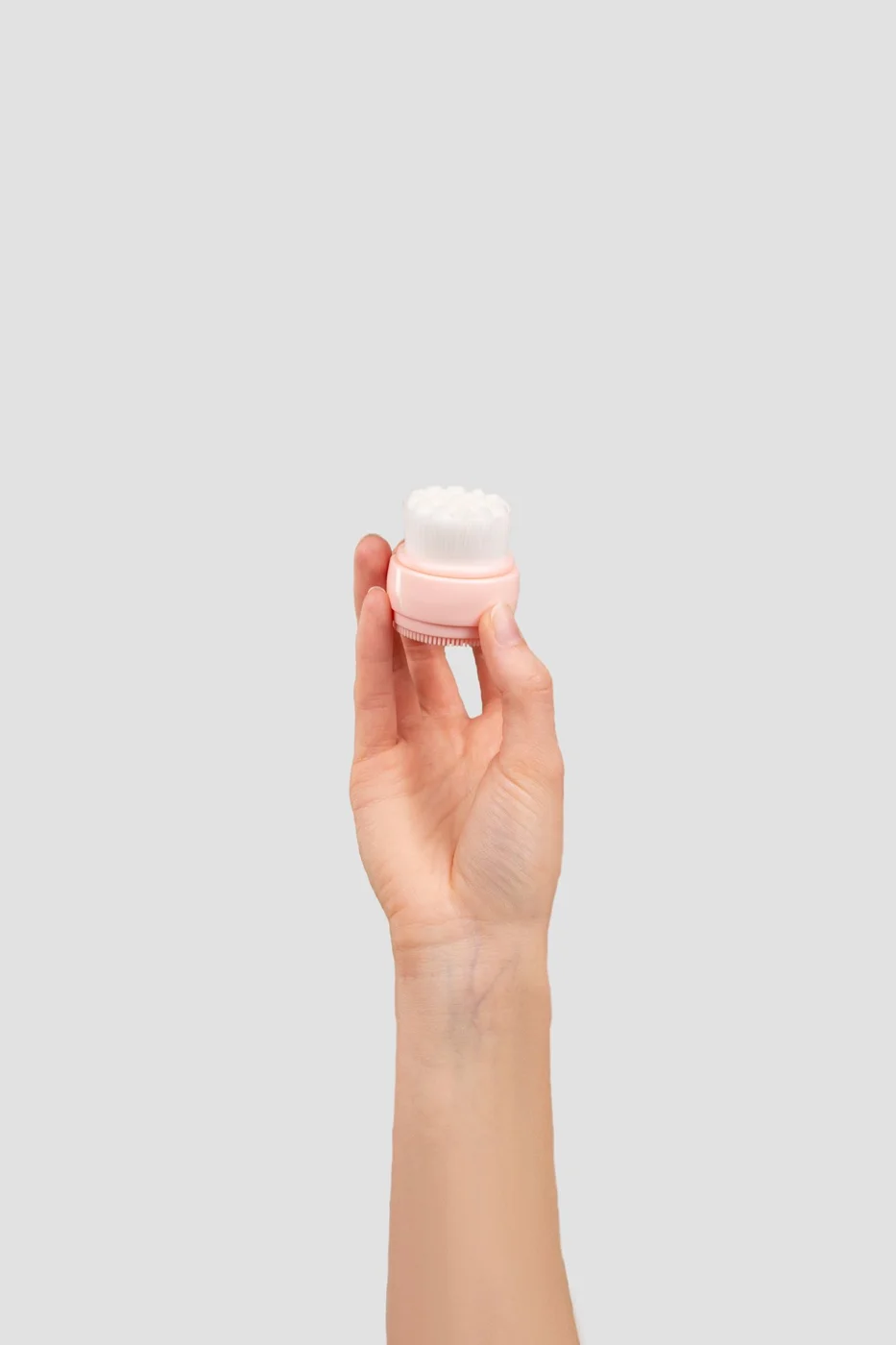
Silicone and Bristle Cleansing Tools: Everyday Differences
The surface material is only part of the decision. Consider drying, replacement parts, grip, and how the whole tool fits beside your sink.
Keep reading: Silicone and Bristle Cleansing Tools: Everyday Differences