How to Keep a Beauty-Device Maintenance Record
A compact note containing the model, parts, dates, and support history is more useful than a complicated tracking app.

A maintenance record should answer small questions quickly: which brush head fits, when it was installed, which cable belongs to the device, and where the receipt went. It does not need daily entries or a spreadsheet full of measurements.
Create one note named after the exact device. Add the model number, purchase date, seller, receipt location, and a link or saved copy of the manual. Keep serial information private; it is useful for support, not something to post in a public review photograph.
Record events that change what you need to know
Add a line when you replace a part, receive an official repair, or change an important saved setting. Include the part number rather than just writing new head. If a manufacturer gives maintenance guidance relevant to your tool, save that message with the date.
You can also note a fault or unexpected behavior before contacting support. Describe what happened, the mode in use, and any indicator shown. Avoid repeatedly recreating a problem to make the note more detailed, especially if the device becomes hot, damaged, or uncomfortable to use.
A simple example might read: replacement head installed; correct model confirmed; package stored with receipt. Another might record that support requested photographs and advised leaving the device unused pending assessment. The record should reflect real events, not imagined servicing.
Use reminders sparingly
Set reminders only for actions supported by the manual, such as inspecting a replaceable component. A calendar cannot tell whether a part has become damaged earlier, so keep visual inspection part of ordinary handling. Do not create arbitrary replacement dates merely to make the record look complete.
If several devices share a drawer, use the note to identify their accessories. A small label on the storage pouch can be more helpful than trying to identify a cable from a photograph each time.
Review the record when deciding whether to keep, repair, or replace the product. Repeated faults, unavailable parts, or an impractical care routine are useful ownership information. The purpose is to reduce uncertainty and avoid unnecessary purchases, not to turn an optional beauty tool into a project that requires constant administration.
Continue exploring

Before Your First Facial Cleansing Device
A facial cleansing tool is an optional addition. Start with the manual, a compatible cleanser, and a plan for keeping the tool clean.
Keep reading: Before Your First Facial Cleansing Device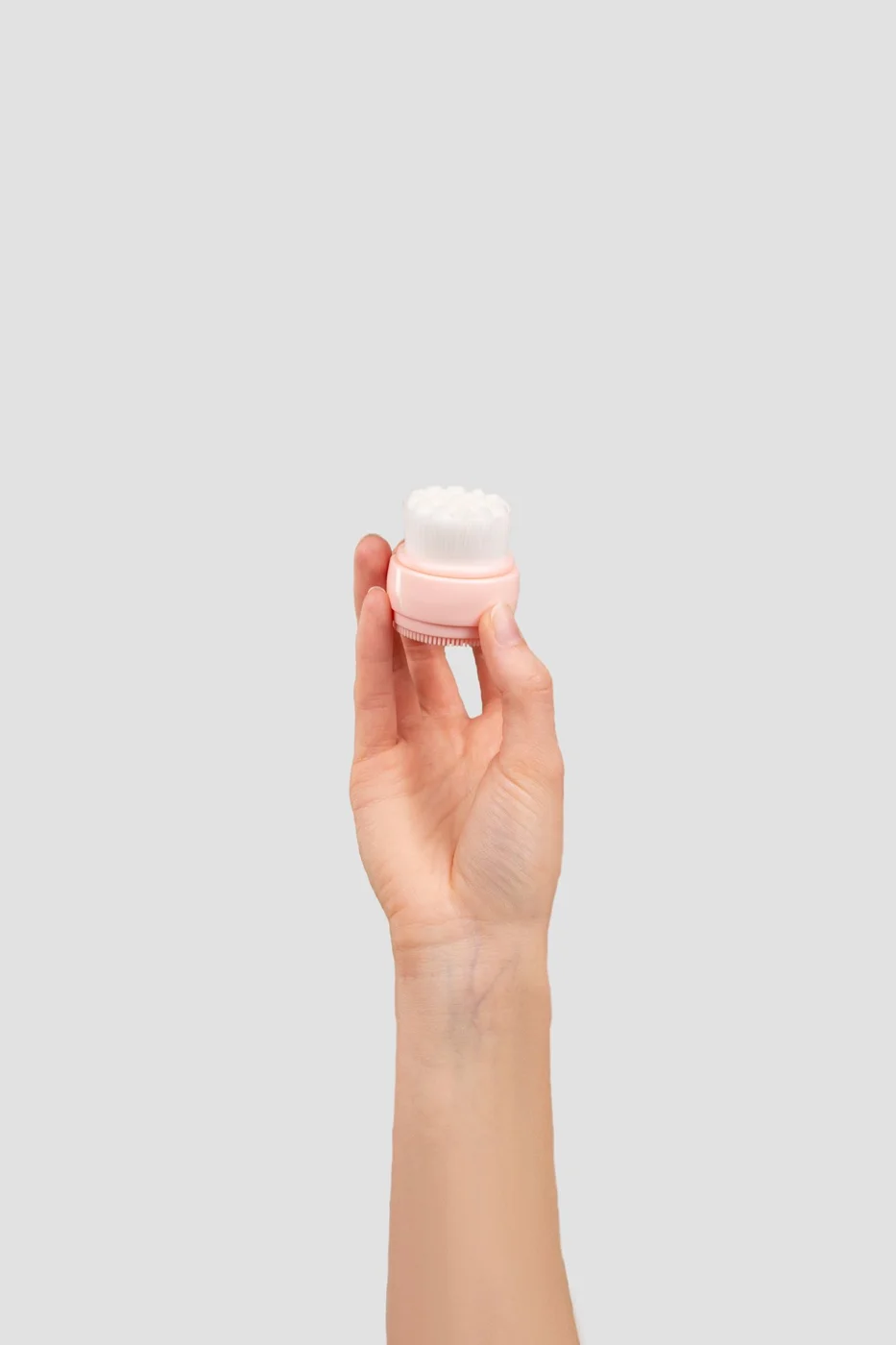
Silicone and Bristle Cleansing Tools: Everyday Differences
The surface material is only part of the decision. Consider drying, replacement parts, grip, and how the whole tool fits beside your sink.
Keep reading: Silicone and Bristle Cleansing Tools: Everyday Differences