LED Face Masks: Questions Beyond the Color
LED colors alone cannot tell you whether a mask suits your concern. Look at the intended use, evidence, fit, and safety instructions together.
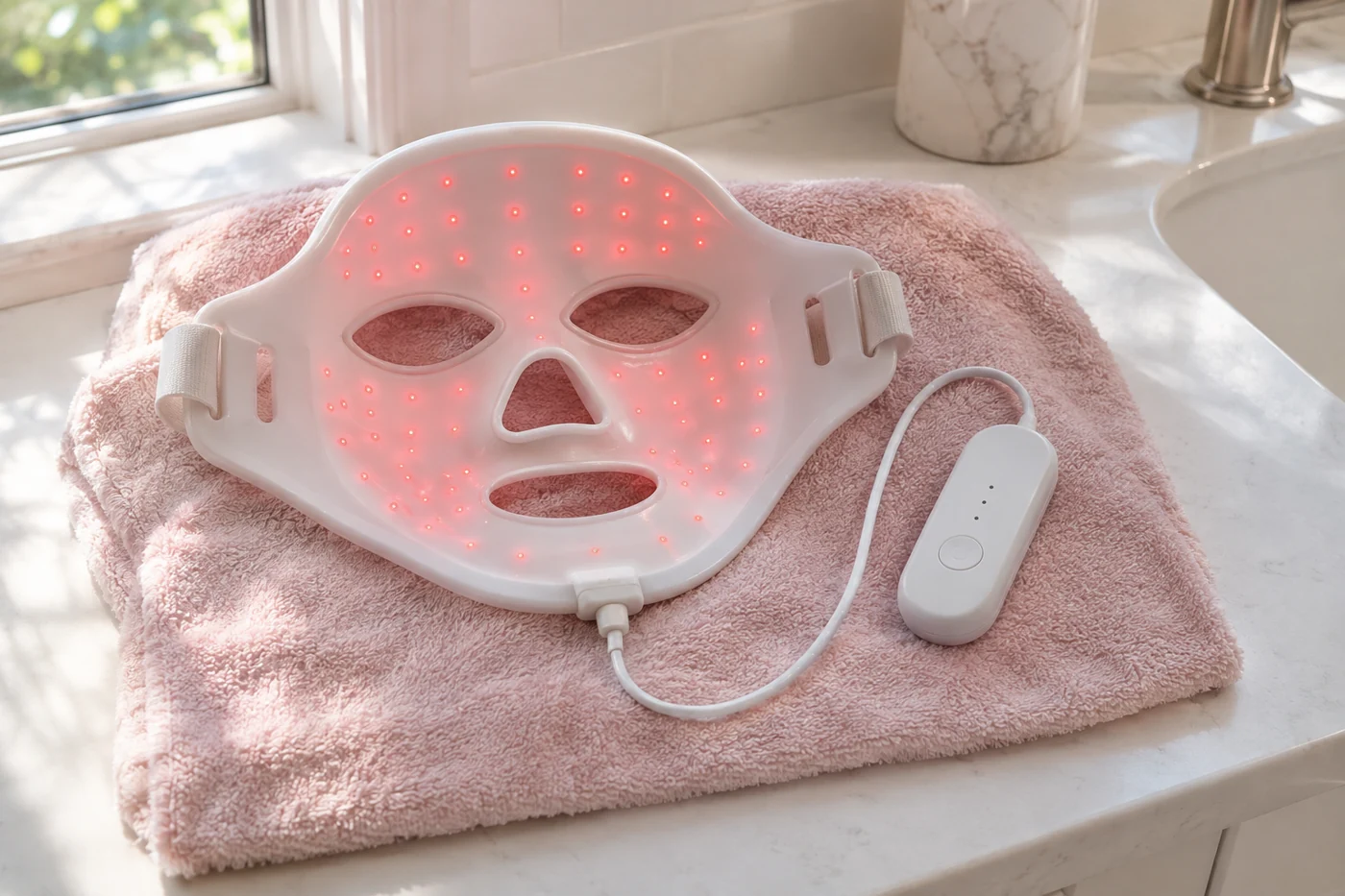
A row of glowing colors makes an LED mask easy to market and harder to compare. It encourages a simple story: choose a color, select a concern, and expect a result. Real purchase and use decisions need more detail than that. Two devices with a similar glow can differ in construction, operating instructions, and the evidence offered for their claims.
Begin with a plain sentence about what you want the device to do. If that sentence contains several unrelated goals, separate them. A product advertised for one purpose should not be assumed to address every concern mentioned in an article about light-based treatment.
Ask what was actually studied
A link to research is helpful only when it is relevant. Was the study about this device, another device using a similar technology, or a professional treatment? What outcome was measured, and over what period? Was the comparison meaningful, and were other treatments used at the same time?
You do not need to interpret a technical paper alone to notice a mismatch. A clinic study cannot automatically establish the same result for a home mask. A photograph of improved appearance cannot tell you which part of a routine caused the change. Where the evidence is unclear, record that uncertainty instead of filling it with the most optimistic interpretation.
Check personal suitability first
The American Academy of Dermatology's red-light guidance recommends discussing suitability with a dermatologist and following the device instructions, including specified eye protection. Medication-related light sensitivity and existing skin concerns can affect that decision. A mask sold for home use is not automatically appropriate for every person.
Read the complete warnings for the exact product, not a shortened retailer summary. Do not substitute sunglasses for specified protective equipment or decide that closing your eyes replaces what the instructions require. If the eye-area guidance is unclear, resolve it before use.
Look at the physical design
Fit deserves attention alongside the technology. Consider the straps, weight, cable position, controls, and how the mask will be cleaned. Product dimensions and side-view photographs can help you picture whether it will sit as intended. A flexible material may look convenient, but it still needs a secure, appropriate fit under the manufacturer's directions.
Think about the actual session. Will you need to hold a controller? Can you reach the stop button easily? Does the manual require you to remain in a particular position? Do not buy on the assumption that every mask can be worn while doing chores, exercising, or moving around the house.
Evaluate claims with the correct terminology
If a seller makes a regulatory claim, check the exact model and intended use in the relevant official record. An establishment's registration does not establish that every product it sells has been cleared or approved. A regulatory status is also not a personal recommendation for your skin.
Put the practical details next to the evidence: use schedule, cleaning, charging, replacement accessories, return terms, and total cost. A mask may require a continuing commitment that feels quite different from trying a single cosmetic product. The best time to discover that mismatch is before checkout.
Choose with room for uncertainty. You can decide that a device is interesting without deciding it is necessary, and you can seek a dermatologist's advice without committing to a purchase. The number of colors on the box is only one small part of the decision.
Continue exploring

Before Your First Facial Cleansing Device
A facial cleansing tool is an optional addition. Start with the manual, a compatible cleanser, and a plan for keeping the tool clean.
Keep reading: Before Your First Facial Cleansing Device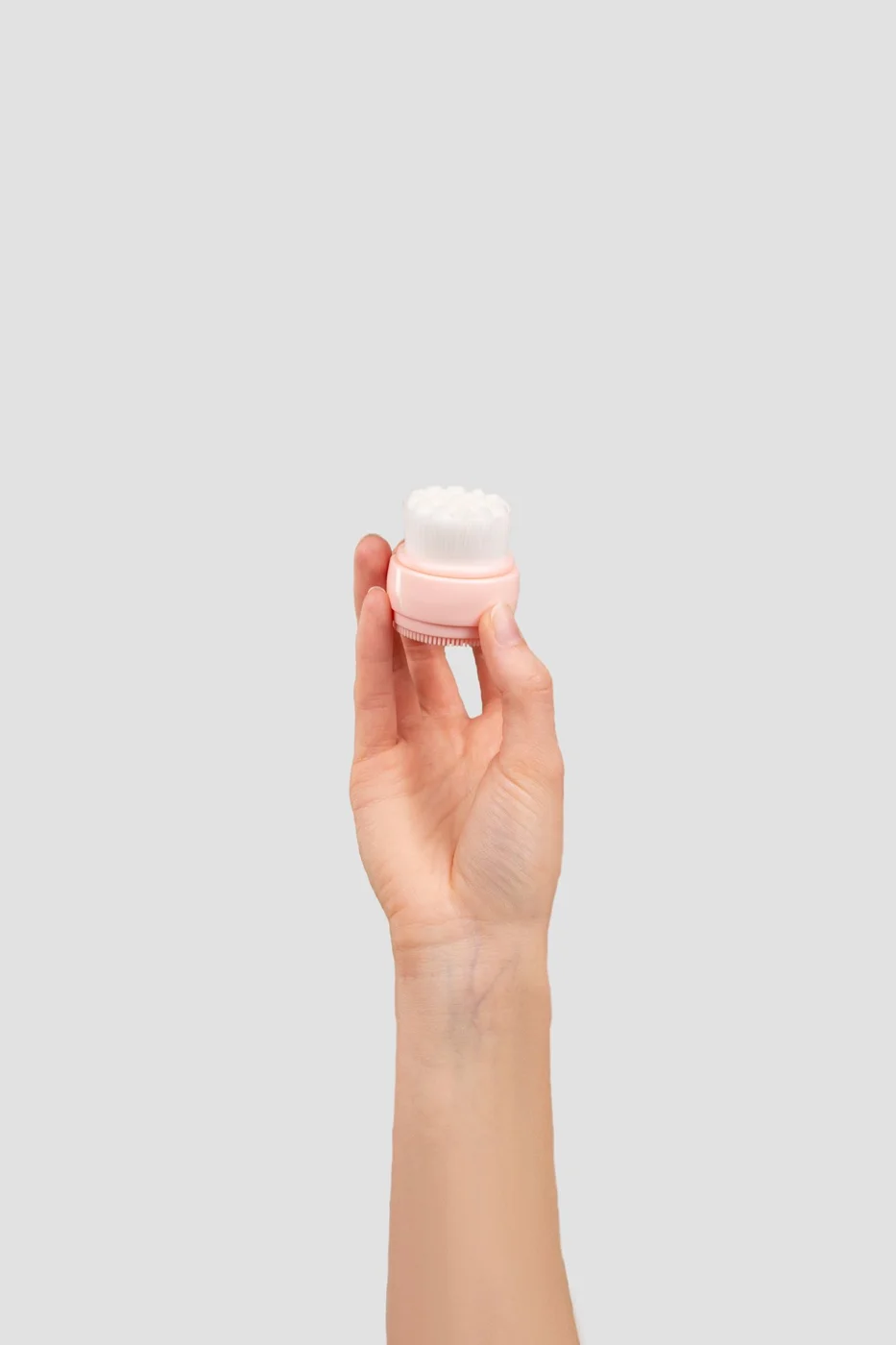
Silicone and Bristle Cleansing Tools: Everyday Differences
The surface material is only part of the decision. Consider drying, replacement parts, grip, and how the whole tool fits beside your sink.
Keep reading: Silicone and Bristle Cleansing Tools: Everyday Differences