Recognizing Wear in Silicone Beauty Tools
Look for physical changes that cleaning cannot fix. An intact surface matters more than keeping a device for a predetermined number of years.
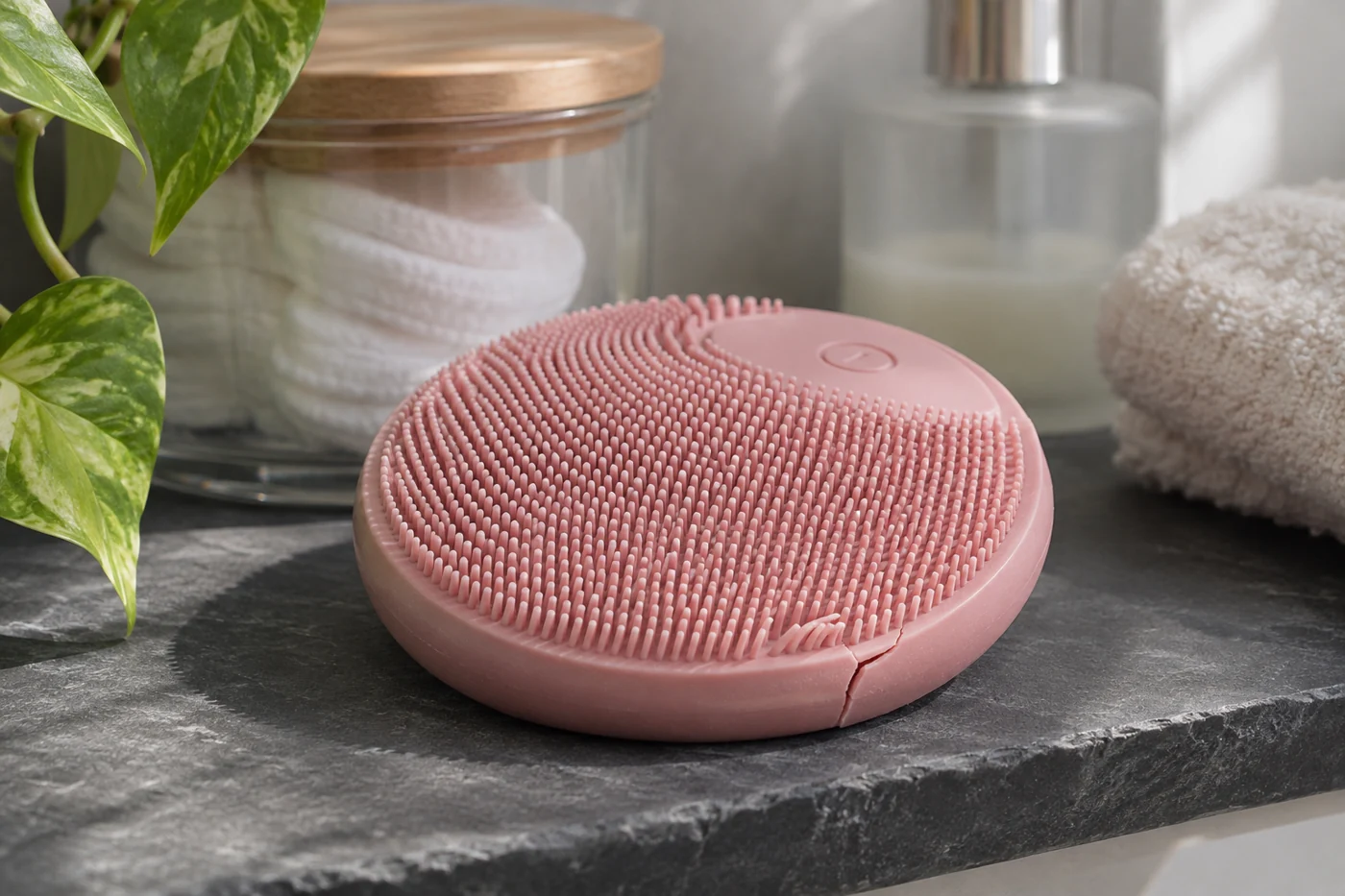
Silicone beauty tools can look nearly unchanged for a long time, which makes inspection easy to forget. Take a moment during cleaning to look at the contact surface, seams, and the area around controls. You are checking the condition of a physical object, not trying to decide from its age alone whether it is still usable.
Look for tearing, cracks, missing or damaged touchpoints, exposed components, or a surface that has changed in an unexpected way. A sticky or distorted area deserves a question to the manufacturer. Do not assume that every change is harmless staining, and do not assume that every stain means the tool has failed.
Separate residue from damage
Follow the approved cleaning method first. If a mark remains, avoid escalating to stronger solvents or abrasive scrubbing. Those methods may create damage even when the original mark was cosmetic. Send clear photographs to support if you cannot tell what you are seeing.
Do not trim torn touchpoints, glue a split surface, or attempt to reseal an electronic device at home. A repair that looks tidy may not restore the properties the product was designed to have. Follow the maker's replacement or service advice.
Notice changes in handling too
A new rattle, loose control, altered vibration, or unusual heating is relevant even when the silicone looks fine. Stop using a product that appears faulty and follow troubleshooting guidance. Do not continue simply because the outer material still feels soft.
Consider what may have affected the tool: a fall onto a hard floor, storage beside a hot appliance, an incompatible cleaner, or a tightly packed travel bag. Describe those events honestly when asking for help. The goal is a useful assessment, not proving that the tool ought to be fine.
Keep the original model information and purchase record available. If replacement is needed, check current disposal instructions for any electronic body and battery rather than treating it as an ordinary piece of silicone.
A quick inspection during care is enough for most ownership routines. It helps you recognize a meaningful change before the device becomes something you keep using only because it still turns on.
Continue exploring

Before Your First Facial Cleansing Device
A facial cleansing tool is an optional addition. Start with the manual, a compatible cleanser, and a plan for keeping the tool clean.
Keep reading: Before Your First Facial Cleansing Device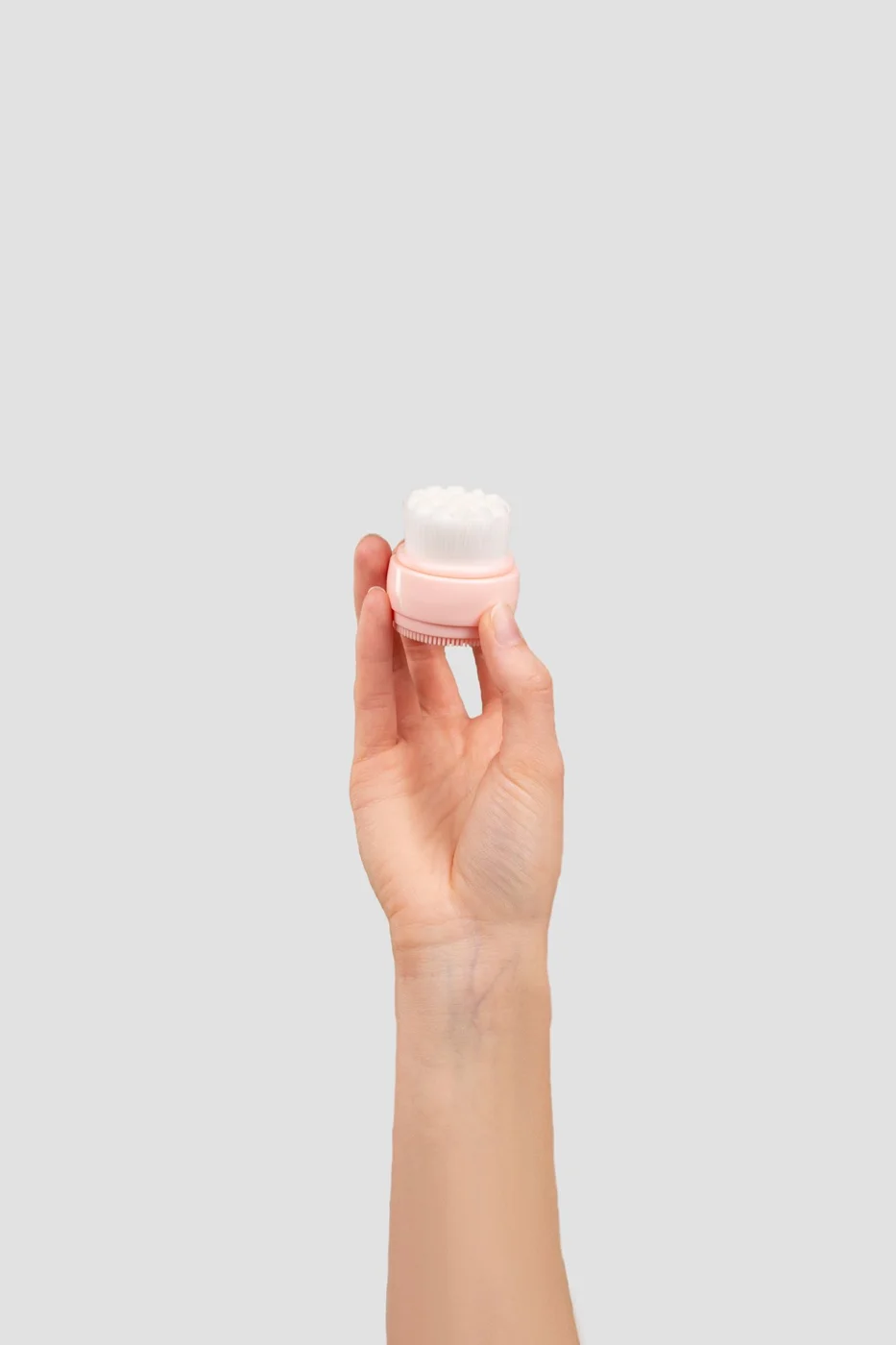
Silicone and Bristle Cleansing Tools: Everyday Differences
The surface material is only part of the decision. Consider drying, replacement parts, grip, and how the whole tool fits beside your sink.
Keep reading: Silicone and Bristle Cleansing Tools: Everyday Differences