What a Device Water-Resistance Rating Actually Covers
A bathroom-friendly device still has limits. Read the stated water exposure, charging restrictions, and care instructions as separate pieces of information.
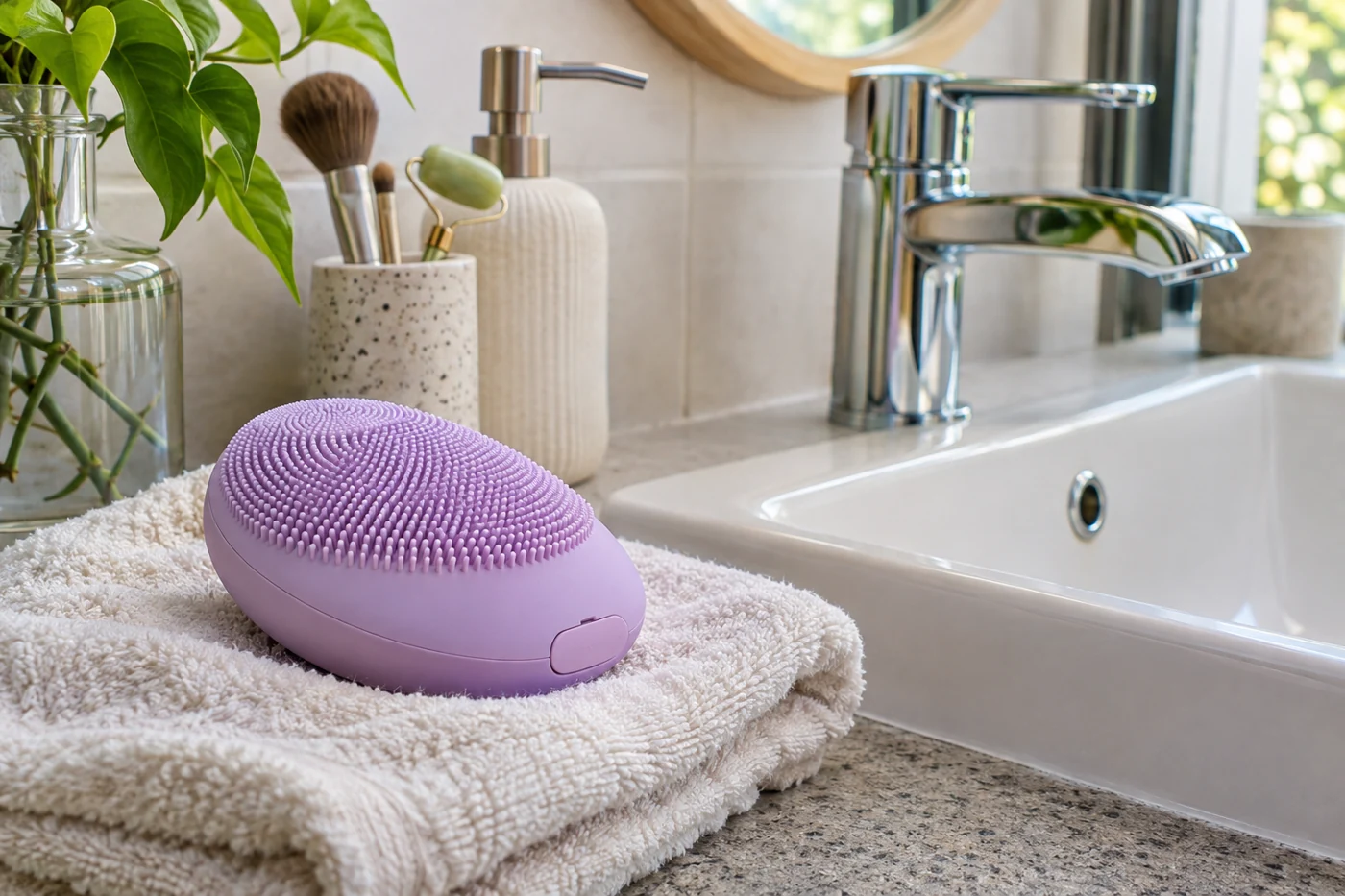
The word waterproof can make a beauty device seem unusually forgiving. Yet a product page may be describing the body under specified conditions, not promising that any use near water is acceptable. The charging cable, adapter, removable attachment, and active treatment function can each have different restrictions.
Treat water resistance as a specification to investigate, not a general instruction to relax your handling. Find the exact wording in the manual and keep it alongside the cleaning and charging guidance. If a product page and manual seem inconsistent, ask the manufacturer which instructions apply to your model.
Separate washing from operating
A device may allow rinsing after a session while requiring dry skin or dry contact surfaces for a particular function. Another may be designed to work with a cleanser on damp skin. These are different intended uses even when the tools look alike.
Do not carry a familiar routine from one product to another. Write down whether the tool is used wet or dry, whether it may be rinsed, and what must be dry before charging. Three short notes are more useful than remembering a single reassuring word from the packaging.
Include the charger in your plan
Choose a charging location according to the instructions, away from splashes and wet surfaces. A water-resistant handheld body does not make its power adapter water-resistant. Check the connection area before attaching the cable, and do not use the product while charging unless its manual expressly permits that operation.
Keep the cable where it will not pull the device toward a sink or bathtub. When charging is finished, put the charger away safely rather than leaving a loose cable across a damp counter. Avoid improvising with a connector because its shape happens to fit.
Age and damage deserve attention
Look for visible cracks, torn surfaces, or a loose cover. Do not assume that an old or damaged device retains the protection described for an intact product. If it has been dropped or exposed to water beyond its stated limits, follow the manufacturer's assessment advice before using or charging it again.
For everyday storage, choose a place that lets the tool dry as directed. A sealed travel pouch is for transport, not automatically for putting away a wet device. Understanding water resistance should make your routine more precise: use the tool in its intended setting, clean it in the intended way, and keep electricity and wet handling within the manufacturer's clear limits.
Continue exploring

Before Your First Facial Cleansing Device
A facial cleansing tool is an optional addition. Start with the manual, a compatible cleanser, and a plan for keeping the tool clean.
Keep reading: Before Your First Facial Cleansing Device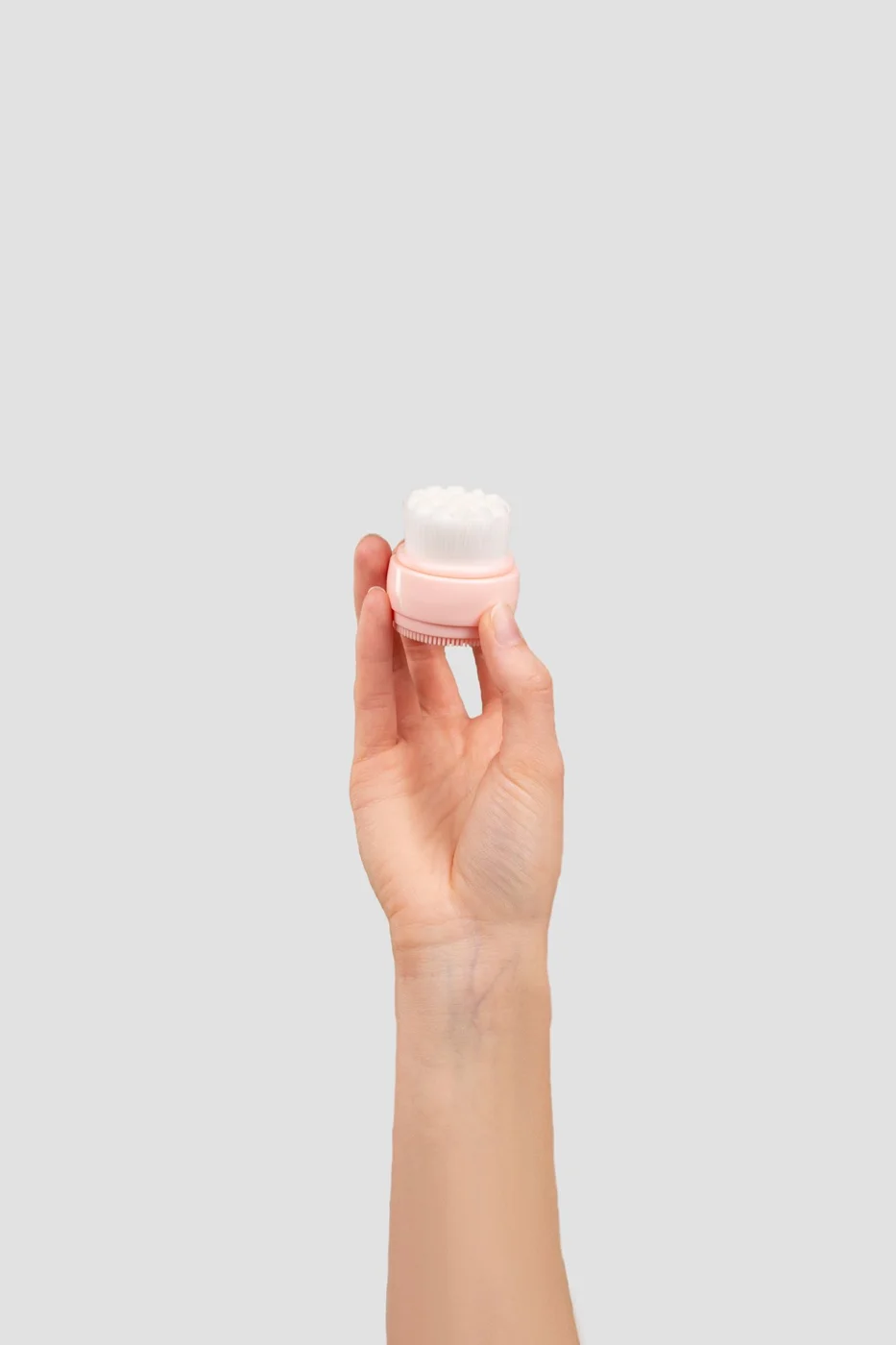
Silicone and Bristle Cleansing Tools: Everyday Differences
The surface material is only part of the decision. Consider drying, replacement parts, grip, and how the whole tool fits beside your sink.
Keep reading: Silicone and Bristle Cleansing Tools: Everyday Differences