What Beauty-Device Before-and-After Photos Leave Out
Lighting, timing, other products, and selection all affect a transformation image. Use photos to ask questions rather than predict your own result.
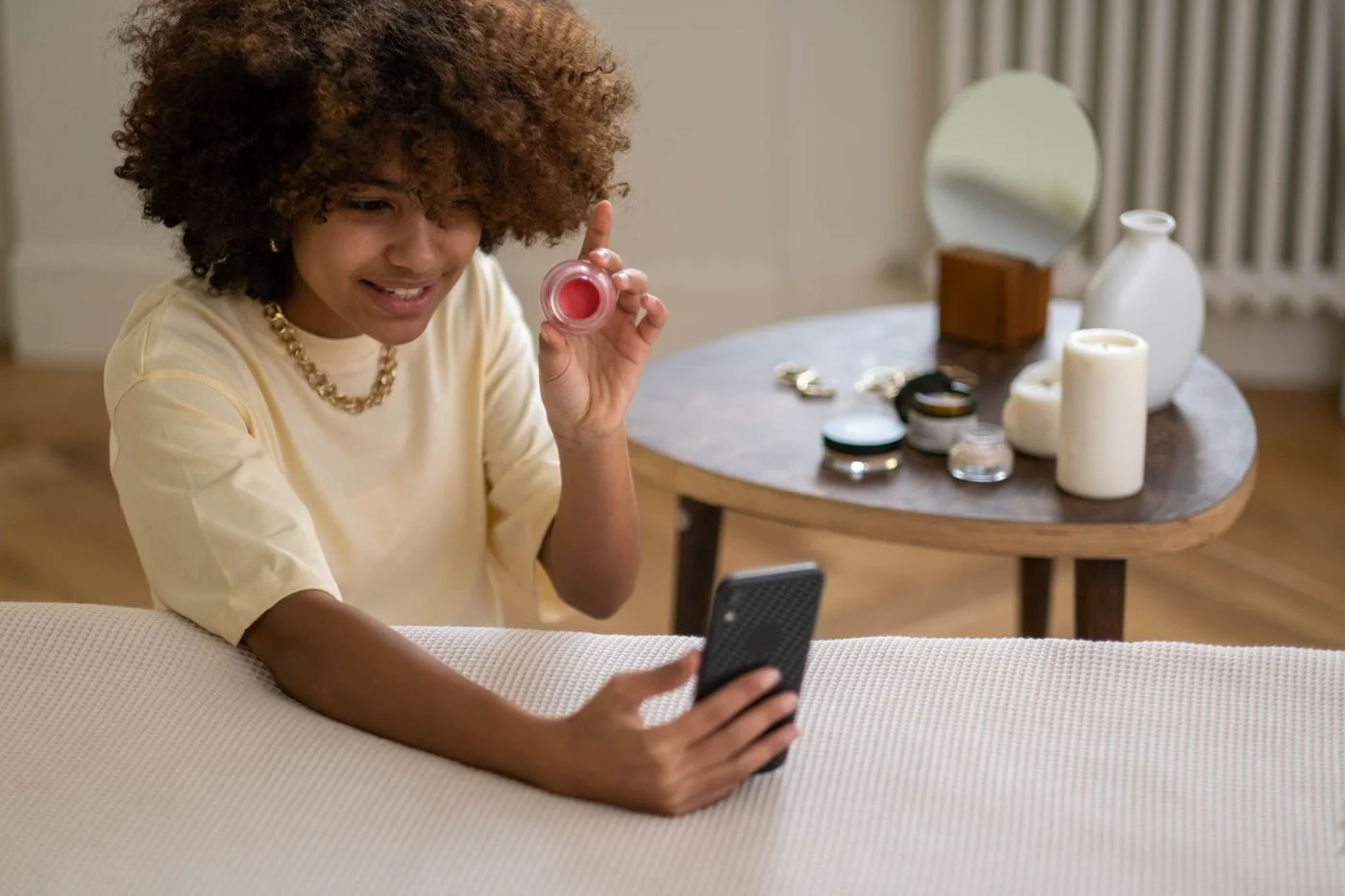
A before-and-after photograph compresses a long story into two frames. It may show a real change, but it rarely tells the whole story of how that change happened. Before using a transformation image to choose a beauty device, look for what the picture cannot establish on its own.
Start with the conditions. Are the face position, expression, camera distance, and lighting comparable? Is makeup present in one image? Has the skin been freshly moisturized? A shadow at the jaw or a raised eyebrow can change how contours and lines appear without demonstrating a treatment effect.
Ask about the time between frames
An immediate image and a photograph taken months later answer different questions. A temporary appearance change after a session does not establish that it will last. A longer interval leaves more opportunity for other changes in skin care, health, or treatment to influence the result.
Look for the actual interval and the routine followed. How often was the device used? Were other products or procedures involved? If the answer is missing, do not supply it from the product's advertising headline.
Consider who was selected
A gallery often shows selected examples, not every person who tried a device. You may not know how many people participated, how their results varied, or why these particular photographs were chosen. Even an accurately presented individual outcome cannot predict what another person will experience.
Check whether the image belongs to an independent review, a paid campaign, a manufacturer study, or a customer submission. The context does not automatically invalidate it, but it helps explain what additional information you should seek.
Look for evidence outside the image
If a seller links a study, read its basic description: the exact device, participants, comparison group, outcome measured, and timeframe. A study about a different professional system is not direct proof for the home product beside the photo. Ask a qualified professional for help interpreting evidence when the decision concerns treatment of a skin problem.
Be cautious about precise percentages presented without a clear explanation of what was measured. A percentage of participants who reported satisfaction is not the same as a measured percentage reduction in a particular feature.
Use personal photos with modest expectations
If you choose to keep your own record, consistent conditions make it less confusing. Keep the lighting, distance, angle, expression, and makeup status similar, and note other changes in your routine. Avoid daily scrutiny that turns normal variation into a running verdict.
Your record may help you describe a concern or discuss your experience, but it is not a controlled experiment. It cannot isolate the device's contribution from everything else happening in your life.
A useful buying decision combines the evidence with suitability, instructions, cost, maintenance, and realistic expectations. The image can start that investigation. It should not finish it.
Continue exploring
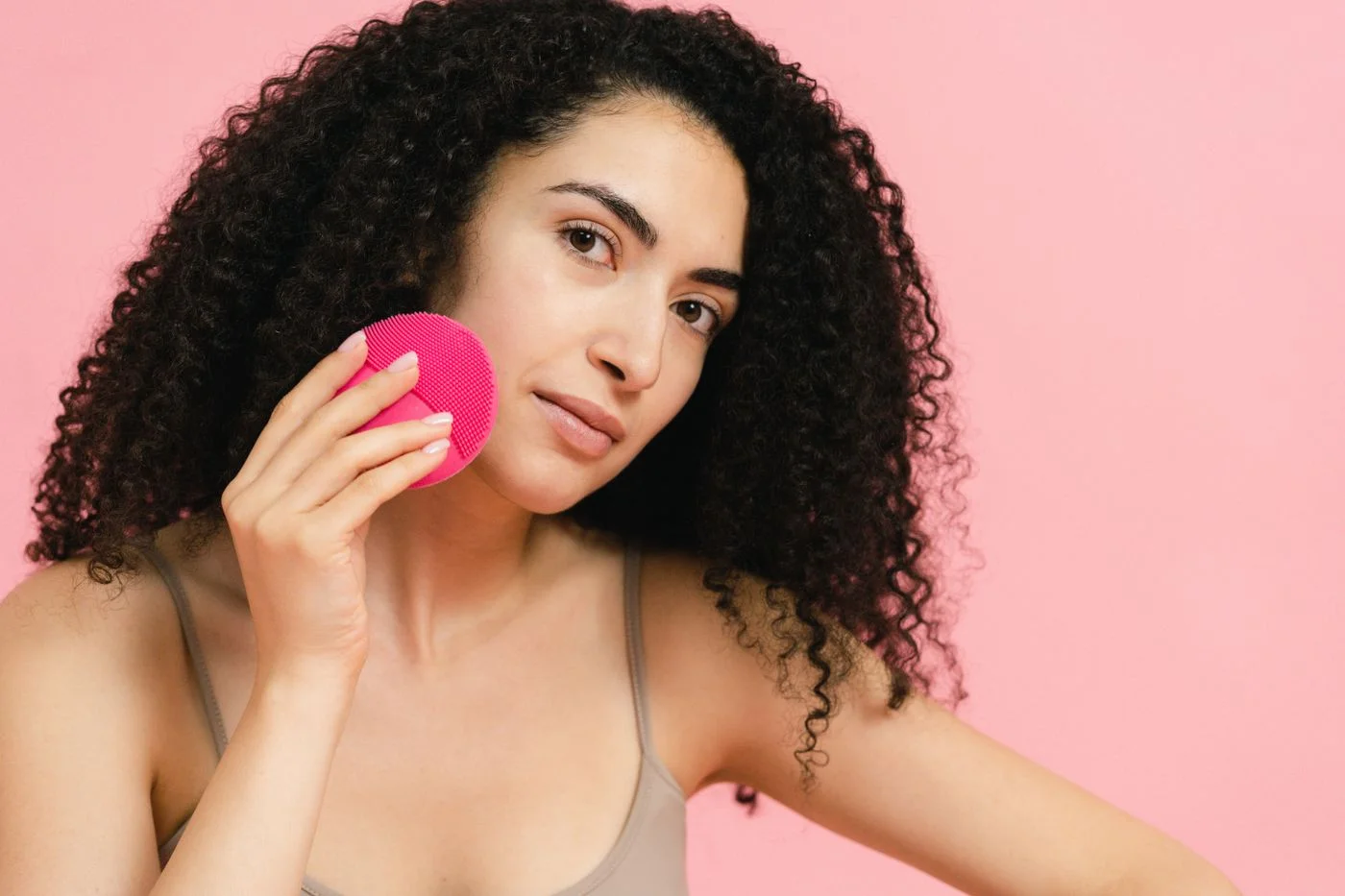
Before Your First Facial Cleansing Device
A facial cleansing tool is an optional addition. Start with the manual, a compatible cleanser, and a plan for keeping the tool clean.
Keep reading: Before Your First Facial Cleansing Device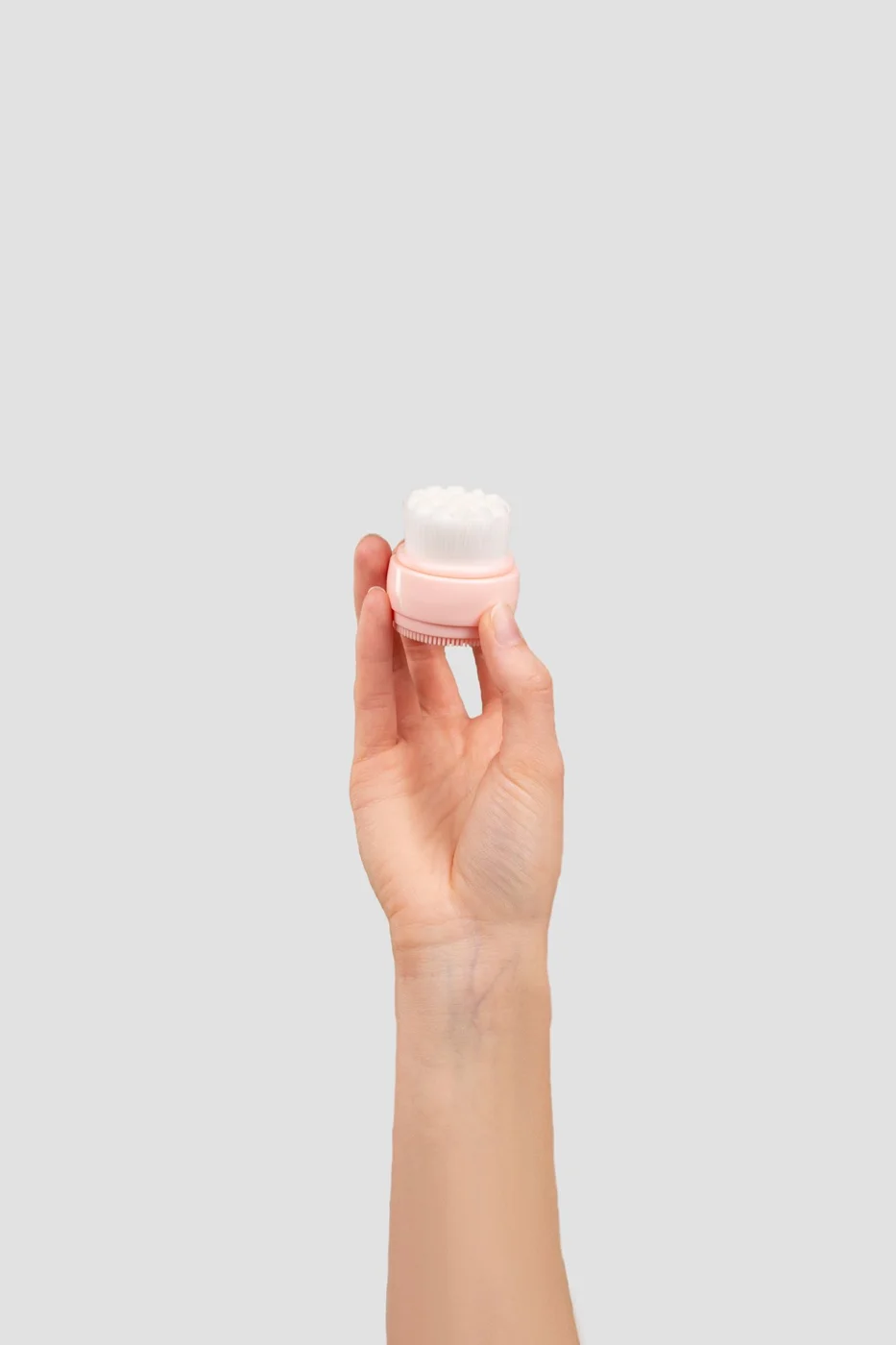
Silicone and Bristle Cleansing Tools: Everyday Differences
The surface material is only part of the decision. Consider drying, replacement parts, grip, and how the whole tool fits beside your sink.
Keep reading: Silicone and Bristle Cleansing Tools: Everyday Differences