When to Stop Using an Old Electronic Beauty Tool
Powering on is not the only sign of a usable device. Consider damage, faults, support, and safe disposal when a tool reaches the end of its life.
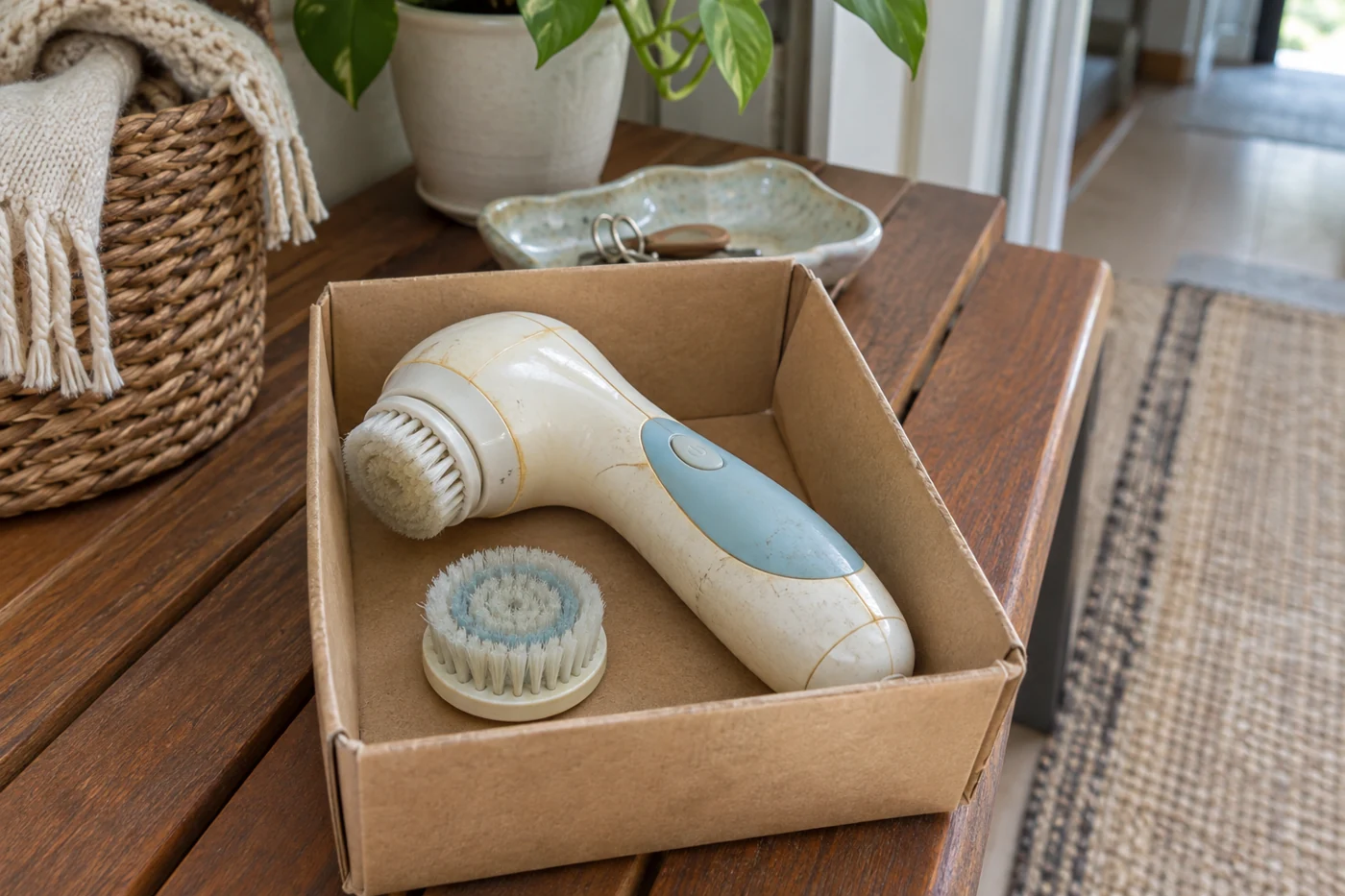
An old beauty tool may still switch on even when keeping it in service no longer makes sense. The contact surface may be damaged, a cable may be worn, or the device may behave unpredictably. Age alone does not provide the answer, but the ability to power on is also too narrow a test.
Inspect the product during ordinary care. Look for cracked housings, torn surfaces, exposed components, loose parts, or a damaged connector. Stop using or charging a tool that appears unsafe. Unusual heat, swelling, leakage, or an unexpected smell needs manufacturer guidance rather than another attempt to see if the problem repeats.
Ask what can be serviced
Check whether the manufacturer offers a replacement part, assessment, or repair. A worn removable head may have a straightforward remedy; damage to a sealed electronic body may not. Do not assume a battery can be replaced simply because someone has posted a teardown video.
Keep the exact model, purchase record, and a factual description of the problem ready when contacting support. Photographs may help, but do not open the housing or expose yourself to a fault merely to document it.
Consider support and usability together
If an essential part is unavailable, the device may no longer be practical to maintain. If required software no longer works with your equipment, ask whether a supported manual option exists. Avoid unofficial workarounds that leave the product operating outside its instructions.
A tool you no longer use does not need to be replaced automatically. Consider whether the routine was useful and manageable before shopping for a newer version. The simplest next step may be returning to a routine without a device.
Dispose of electronics appropriately
For products containing lithium-ion batteries, the EPA advises separate battery or electronics collection rather than household trash or curbside recycling. Ask a suitable local collection program or the manufacturer how to handle the whole device. Do not dismantle a sealed product to remove its battery unless that is an authorized user procedure.
Damaged batteries or devices may need special handling, so describe the condition when seeking disposal advice. Remove any account connection or stored personal information through the official process if the device supports one and it is safe to do so.
Retiring a tool is part of responsible ownership. You can appreciate the use you had from it without squeezing another session out of damaged equipment or turning an uncertain repair into a household experiment.
Continue exploring

Before Your First Facial Cleansing Device
A facial cleansing tool is an optional addition. Start with the manual, a compatible cleanser, and a plan for keeping the tool clean.
Keep reading: Before Your First Facial Cleansing Device
Silicone and Bristle Cleansing Tools: Everyday Differences
The surface material is only part of the decision. Consider drying, replacement parts, grip, and how the whole tool fits beside your sink.
Keep reading: Silicone and Bristle Cleansing Tools: Everyday Differences