Why Home Devices Are Not Clinic Treatments
A shared technology name does not make a home tool equivalent to a professional treatment. Compare the actual procedure, settings, and care involved.
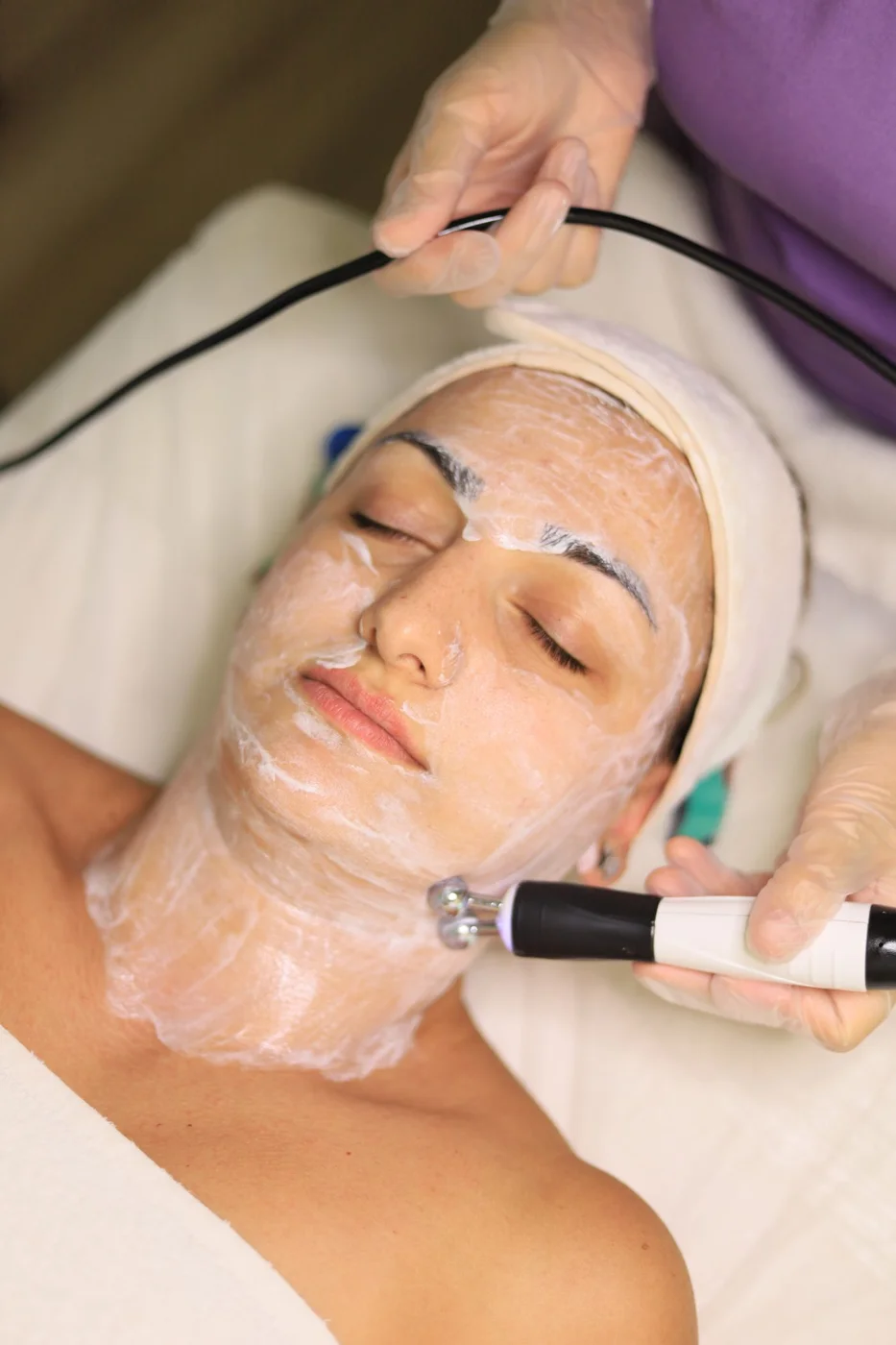
A home beauty device and a clinic treatment may both be described with words such as light, current, or resurfacing. Those shared words can make them sound like two sizes of the same experience. They do not establish that the equipment, treatment plan, supervision, or expected outcomes are equivalent.
Think of the technology name as the start of a question. What exact device or procedure is involved? What is its intended use? Who chooses the settings and decides whether treatment is suitable? Without those details, a broad comparison can be more persuasive than informative.
The surrounding assessment matters
A professional appointment can include an assessment of the concern and discussion of alternatives. The relevant clinician can consider medical history, skin findings, medication, and other treatments. A product questionnaire or an app setting is not the same kind of assessment.
This does not mean every clinic service is appropriate or every home tool is unsuitable. It means that suitability and quality need to be evaluated in their own setting. Ask about the provider's qualifications and the specific procedure rather than assuming the word professional settles every question.
Do not transfer a treatment protocol
A session length or frequency described for one piece of equipment should not be copied to another. Output, controls, application technique, and protective measures may differ. An article about a clinical study is not an instruction manual for a device purchased online.
Similarly, do not try to recreate an in-office procedure by combining several home tools or increasing their settings. The result is an improvised routine, not a smaller version of a supervised treatment. Follow the individual product instructions and obtain advice about compatibility when other treatments are involved.
Read outcome comparisons carefully
Look at what an advertised study actually measured. Was it the same concern you have, in a similar group of people, with the exact device being sold? Were results assessed immediately or after a longer period? Were participants using another treatment at the same time?
These questions can reveal why a dramatic headline is not enough to predict your result. Avoid treating a before-and-after gallery as a direct comparison between home and clinic care when the conditions are different or undocumented.
Decide which question you need answered
If your main question is whether a cosmetic tool will fit your routine, ownership details are useful: preparation, cleaning, storage, cost, and instructions. If your main question concerns a persistent skin problem, a changing lesion, or which treatment is appropriate, seek a qualified medical assessment instead of trying to solve it through shopping.
A home device can be considered on its own terms without being advertised as a replacement for clinical care. That narrower comparison is often more useful: what does this exact product claim, what supports that claim, and what does using it actually involve?
Continue exploring
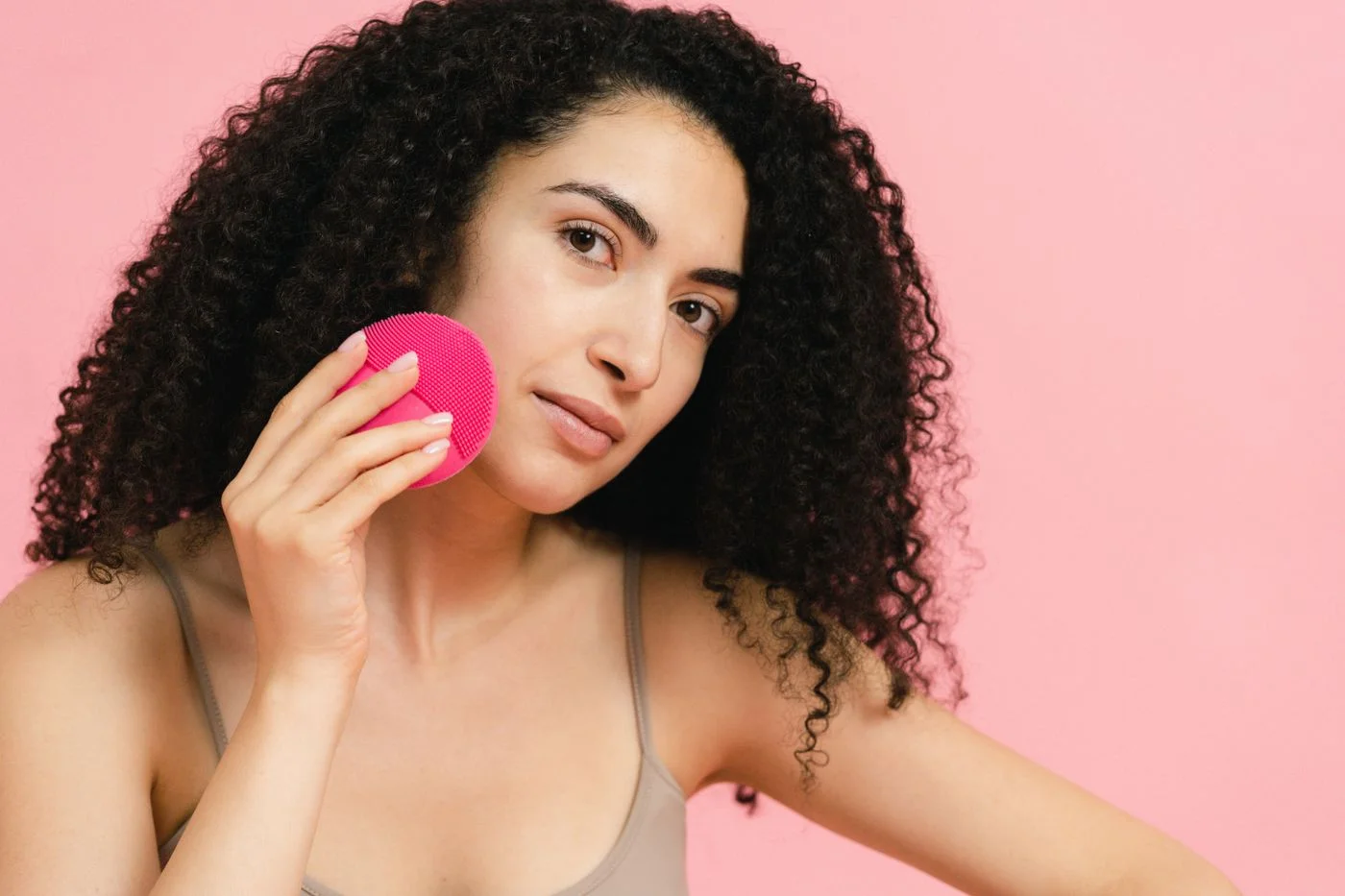
Before Your First Facial Cleansing Device
A facial cleansing tool is an optional addition. Start with the manual, a compatible cleanser, and a plan for keeping the tool clean.
Keep reading: Before Your First Facial Cleansing Device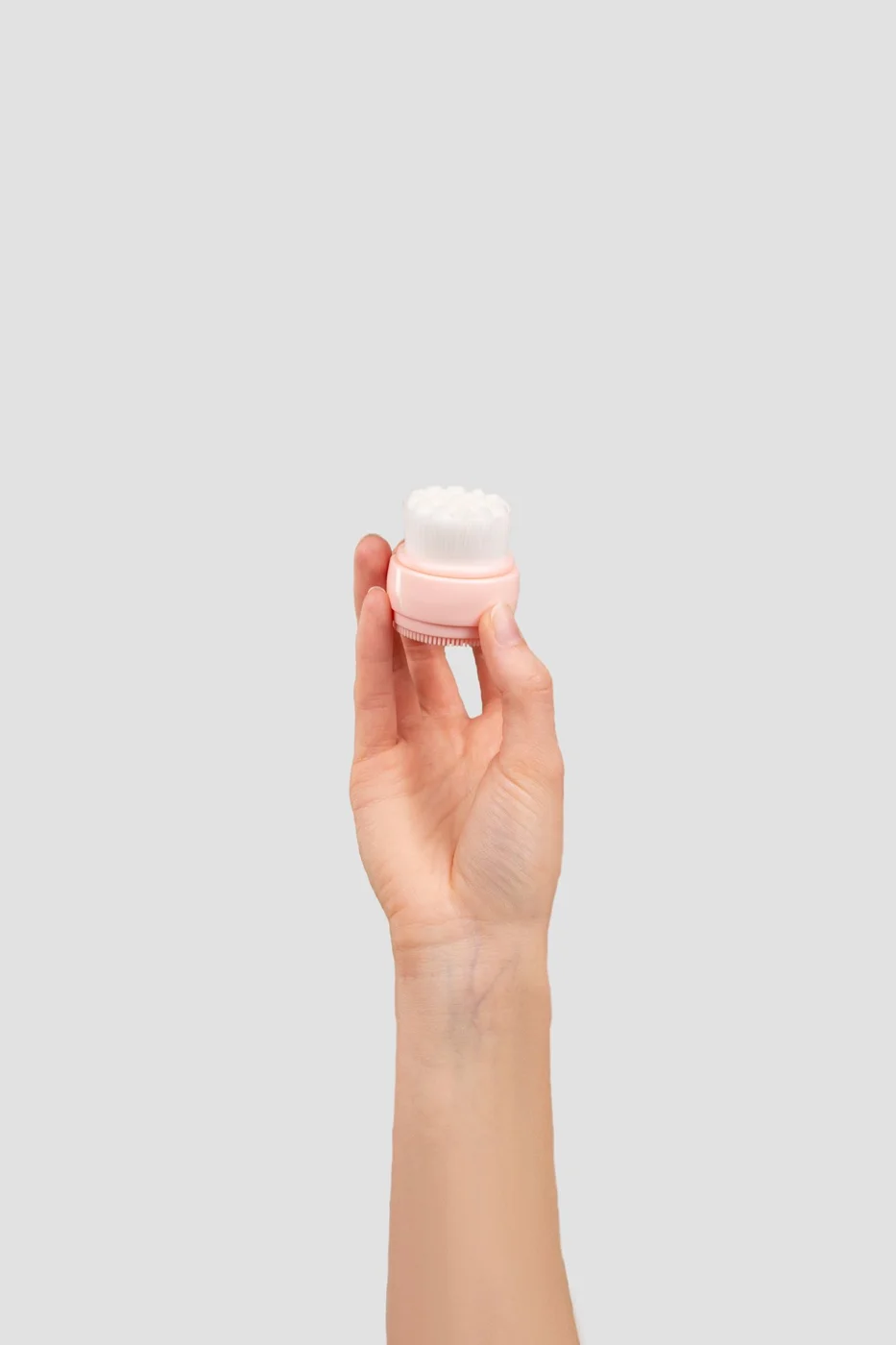
Silicone and Bristle Cleansing Tools: Everyday Differences
The surface material is only part of the decision. Consider drying, replacement parts, grip, and how the whole tool fits beside your sink.
Keep reading: Silicone and Bristle Cleansing Tools: Everyday Differences