A Straightforward Twice-Daily Brushing Routine
Build a repeatable sequence that covers every tooth surface and fits into the beginning and end of your day.

A brushing routine can be simple without being hurried. The important work happens at the teeth, not in the number of devices on the counter. Start with a suitable brush, fluoride toothpaste, and enough time to pay attention to all the areas you need to clean.
The American Dental Association's brushing guidance recommends brushing twice daily with a soft-bristled brush and fluoride toothpaste. The usual time target is two minutes. Daily cleaning between teeth and regular dental care are separate parts of the overall routine, not jobs that brushing automatically replaces.
Use a route you can remember
Move through your mouth in an orderly way instead of repeatedly returning to the front teeth because they are easiest to see. Include outer, inner, and chewing surfaces. A consistent route helps you notice what you have already covered and where you tend to rush.
For a manual brush, ADA guidance describes gentle, short strokes with the bristles angled toward the gumline. The inner surfaces of the front teeth need attention too. If you use a powered brush, follow its specific technique instructions rather than assuming that vigorous manual scrubbing is still needed.
A timer can help you avoid finishing earlier than intended, but do not let watching the countdown distract you from placement. Two minutes spent mostly in one area is not the same as reaching all the intended surfaces.
Make the evening step easy to start
Choose a reliable point before you become too tired. Keep the brush and toothpaste accessible and clearly separate from anyone else's items. If your schedule changes, think in terms of your waking and sleeping routine rather than assuming everyone has the same morning and evening hours.
At the end, follow the toothpaste directions and your dental professional's advice. The NHS advises spitting out excess toothpaste rather than immediately rinsing it away with water. Ask your dentist how any prescribed rinse or other product fits into your routine.
Rinse the brush, store it appropriately, and leave the sink ready for the next use. A routine that includes putting supplies away is easier to maintain than one that leaves a mess to deal with later.
Ask about the areas you find difficult
If reaching the back teeth, holding the handle, or knowing the angle is difficult, describe that exact problem at a dental visit. Bring the brush model or a photograph if helpful. A demonstration can make more difference than buying a device with extra modes.
Pain, regular bleeding, or persistent sensitivity should be discussed with a dentist. Do not respond by avoiding every uncomfortable area or brushing it harder. A straightforward routine is a foundation for care, while individual problems deserve individual guidance.
Continue exploring
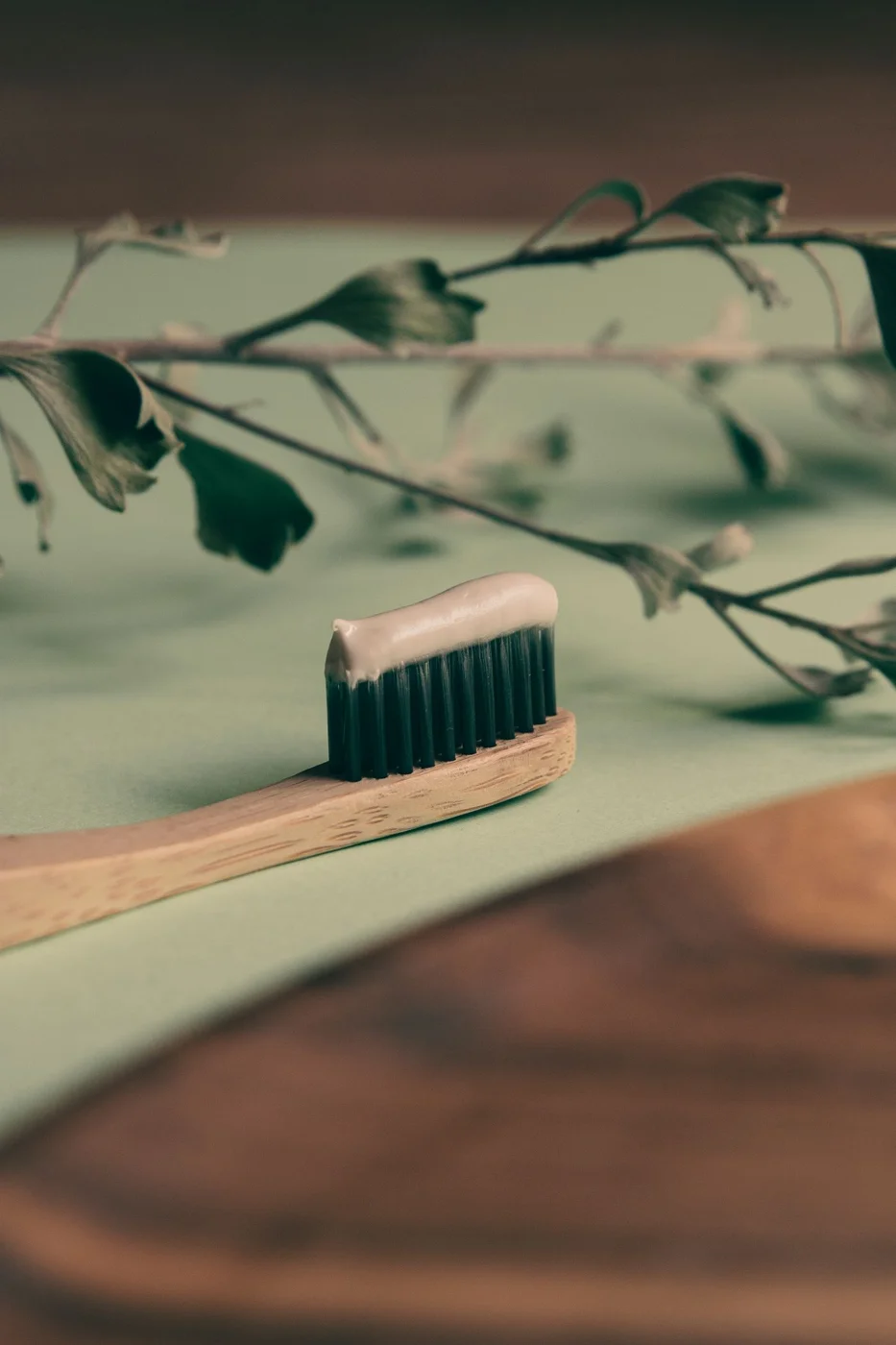
Choosing a Soft-Bristled Toothbrush
Look at head size, handle control, and a clear soft-bristle label rather than equating a firmer brush with a better clean.
Keep reading: Choosing a Soft-Bristled Toothbrush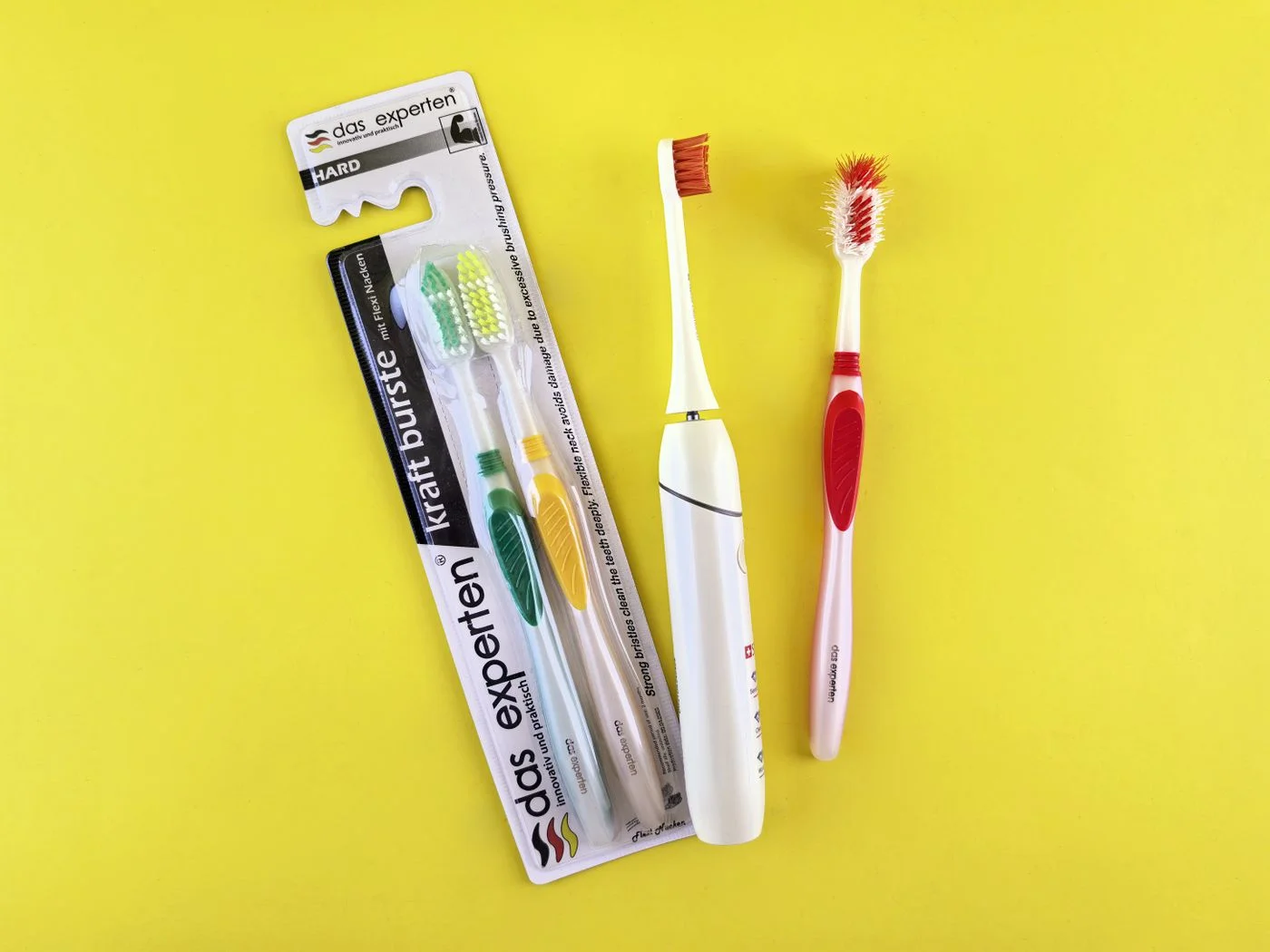
Electric and Manual Toothbrushes: What Matters Day to Day
Compare handling, technique, and replacement needs before deciding which type fits your routine.
Keep reading: Electric and Manual Toothbrushes: What Matters Day to Day