Choosing a Soft-Bristled Toothbrush
Look at head size, handle control, and a clear soft-bristle label rather than equating a firmer brush with a better clean.
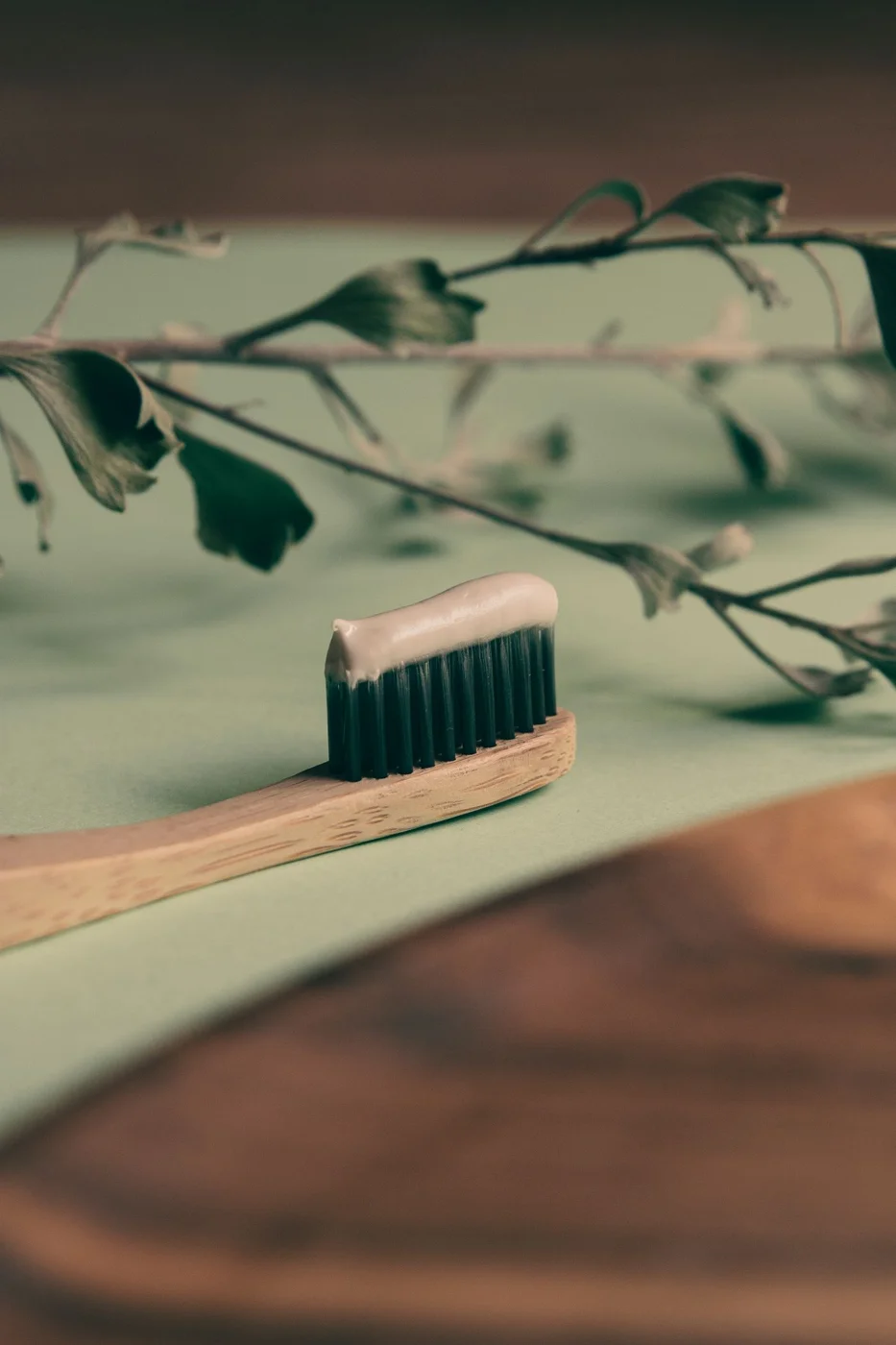
The toothbrush aisle offers shapes, colors, and bristle patterns that can make a basic purchase feel technical. A useful starting point is straightforward: choose soft bristles and a brush you can comfortably position around your mouth.
The ADA recommends a soft-bristled brush. A firmer feel is not a reason to assume a brush will clean better. Technique and access matter, and pushing harder is not a substitute for reaching the intended tooth surfaces.
Imagine the brush at the back of your mouth
A large head can look efficient in the package but may be awkward in a small mouth or around back teeth. Consider whether you can move it into the areas you need to reach without discomfort. If you are unsure, ask your dentist or hygienist to help choose an appropriate size.
The handle deserves attention as well. A narrow smooth handle may be inconvenient if your grip is limited or your hands are often wet. A larger or differently shaped handle may be easier to control. The useful choice is the one you can hold steadily, not necessarily the one that looks most compact.
Check the exact softness wording on the package. Similar-looking versions of a brush can have different bristle firmness. If you are replacing one you like, record the model and version rather than relying on the color of the handle.
Keep extra features in perspective
A textured back, flexible neck, or unusual bristle arrangement may be a preference, but it does not eliminate the need for proper brushing. Decide whether the feature helps you perform the routine rather than collecting features as if each necessarily adds a benefit.
For a powered handle, make sure the replacement head is compatible with the exact model. A soft head that does not fit correctly is not a suitable substitute. Check availability and price before committing to a handle that needs a particular replacement system.
After buying, observe how the brush feels in actual use. If reaching an area is difficult or you consistently feel the need to press harder, ask for a technique check rather than automatically moving to a firmer brush.
A toothbrush is a regularly replaced tool, not a permanent purchase. Keep the choice understandable so that buying the next one is easy: suitable softness, manageable head size, and a handle you can control.
Continue exploring

A Straightforward Twice-Daily Brushing Routine
Build a repeatable sequence that covers every tooth surface and fits into the beginning and end of your day.
Keep reading: A Straightforward Twice-Daily Brushing Routine
Electric and Manual Toothbrushes: What Matters Day to Day
Compare handling, technique, and replacement needs before deciding which type fits your routine.
Keep reading: Electric and Manual Toothbrushes: What Matters Day to Day