How to Brush Without Pressing Harder
Pay attention to placement and movement rather than using force as a measure of thoroughness.
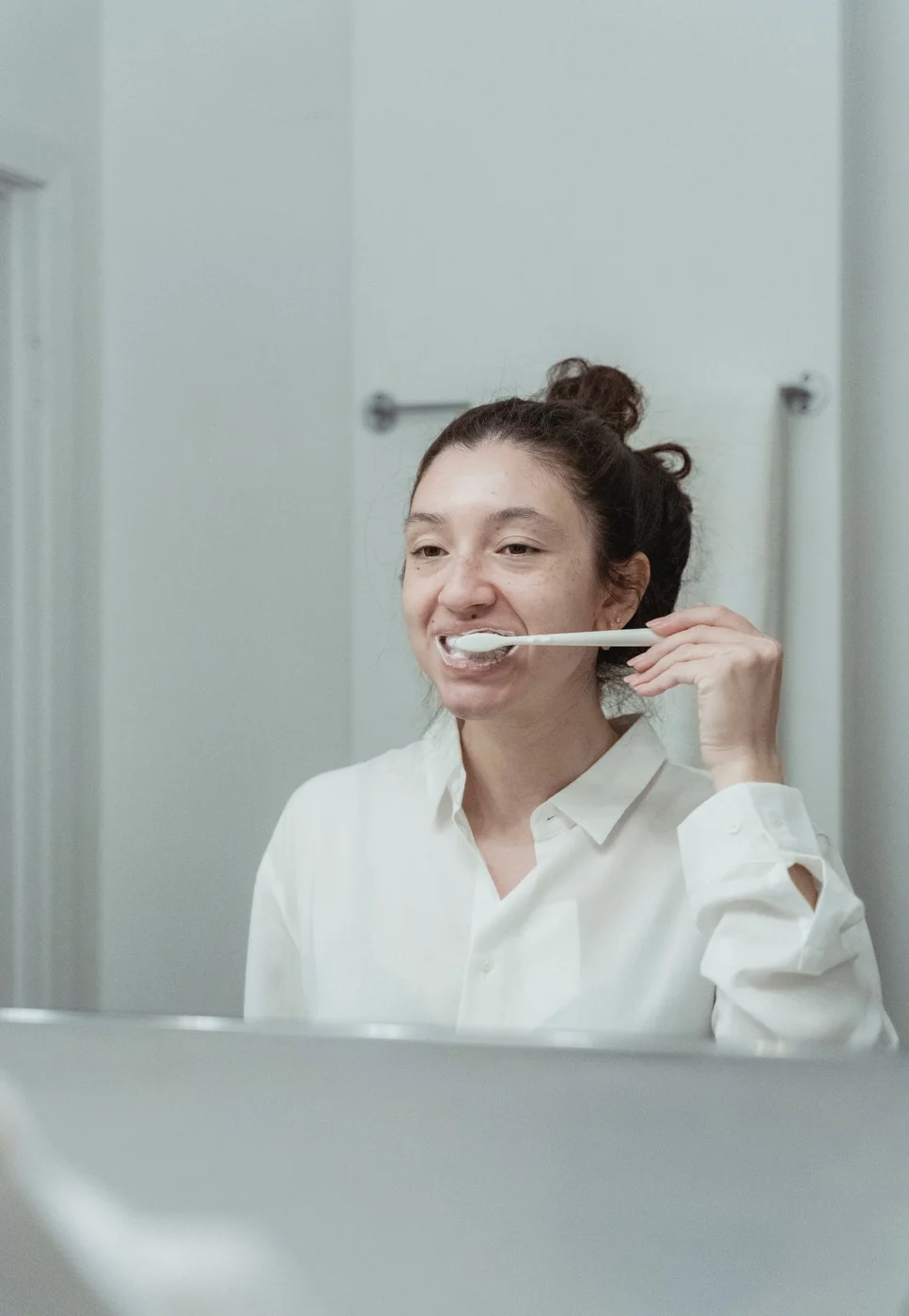
It is possible to feel busy brushing while relying on pressure to do the work. Flattened bristles and a tightly clenched handle may seem like signs of effort, but force is not a useful substitute for a deliberate technique.
The ADA's consumer toothbrush advice favors soft bristles and warns against vigorous scrubbing. If you are unsure how much pressure you use, asking a hygienist to observe your technique can be more useful than trying to estimate a force from an online description.
Slow the movement before adding effort
Notice where the bristles are placed and which surface you are cleaning. Move through a consistent route rather than scrubbing rapidly across a large area. Give the inside surfaces and back teeth the same deliberate attention as the visible front teeth.
With a powered brush, use the movement described in the manual. The motor's action does not mean you should press the head firmly into the teeth. A pressure sensor, if included, can provide feedback, but its absence does not mean that more force is appropriate.
Look at your grip. If your hand is tense, consciously relax it while keeping control of the handle. Do not experiment with an unstable grip that makes the brush difficult to steer; the aim is controlled movement with less unnecessary force.
Inspect the brush without diagnosing from it
Bristles that become badly splayed may prompt a review of pressure and replacement habits. Their appearance alone does not identify every cause of wear or prove how well you clean. Bring the brush to a visit if you want specific feedback.
If a brush feels too large to reach an area, a smaller suitable head may help more than pushing it into place. If discomfort causes you to avoid part of your mouth, explain that to your dentist rather than compensating by scrubbing elsewhere.
Pain, recurring bleeding, or sensitivity should not be treated as a normal cost of thorough cleaning. Seek advice and continue care according to the plan you are given.
You do not need to finish brushing with a sense that your teeth have been polished by force. A better measure is whether you followed an appropriate technique, reached the intended areas, and used the tool as designed. Thoroughness comes from attention and coverage, not from how hard you can press.
Continue exploring

A Straightforward Twice-Daily Brushing Routine
Build a repeatable sequence that covers every tooth surface and fits into the beginning and end of your day.
Keep reading: A Straightforward Twice-Daily Brushing Routine
Choosing a Soft-Bristled Toothbrush
Look at head size, handle control, and a clear soft-bristle label rather than equating a firmer brush with a better clean.
Keep reading: Choosing a Soft-Bristled Toothbrush