Building an Oral-Care Habit Around Your Schedule
Use the structure of your day to make brushing and between-teeth cleaning easier to repeat, including when your hours change.
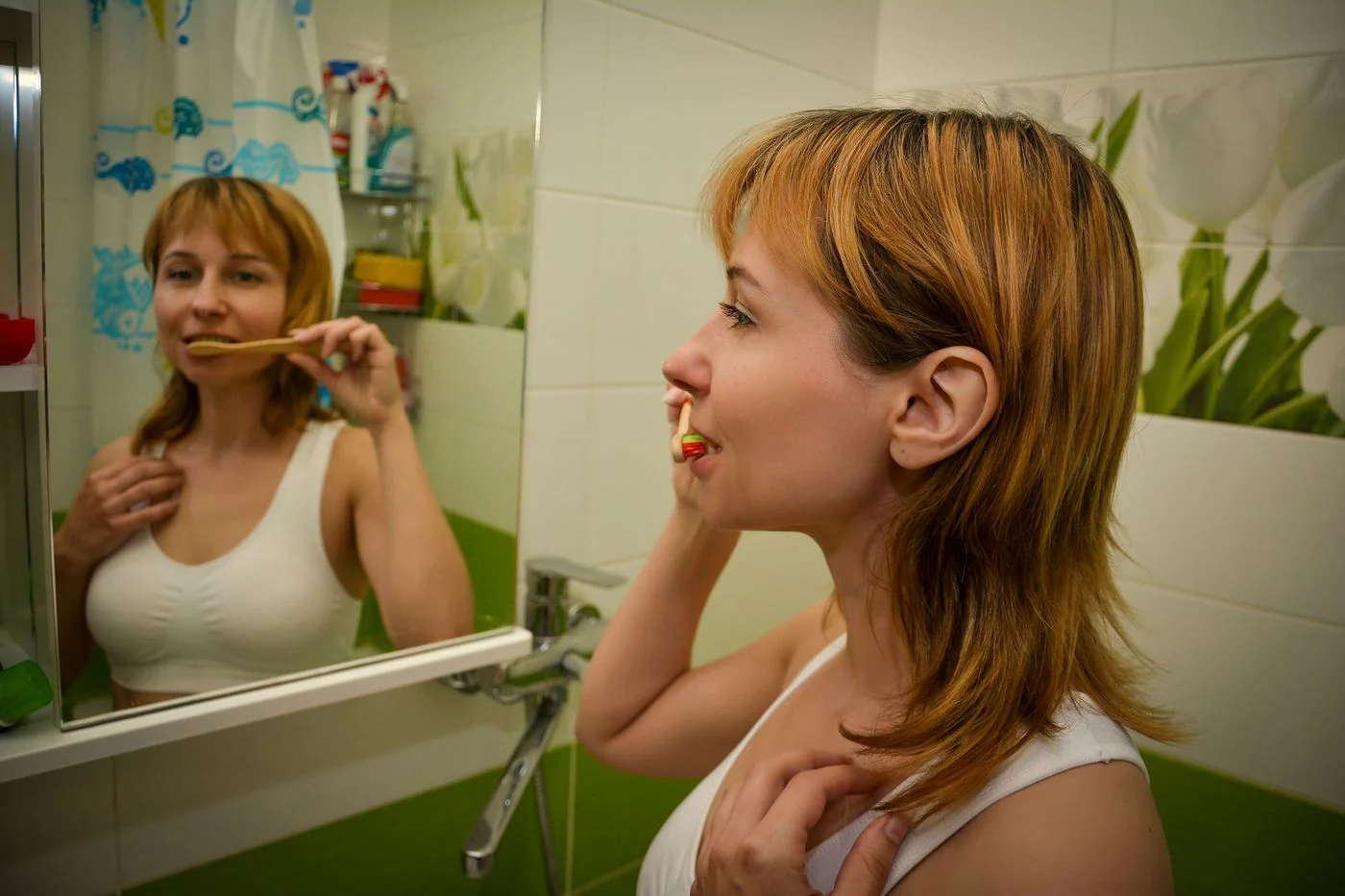
Not everyone has a conventional breakfast-to-bedtime day. Shift work, caregiving, travel, and irregular evenings can make a routine tied to a particular clock time difficult to maintain. It can help to connect oral care to reliable events in your day instead.
Keep the care goals clear. The ADA's general recommendations include twice-daily brushing with fluoride toothpaste, daily cleaning between teeth, and regular dental care. Your dental professional may give you additional or different instructions for your own circumstances.
Choose cues that actually happen
Identify a dependable point near the beginning of your waking day and another before sleep. Think about what usually interrupts the evening step. If you tend to become too tired after watching television, move the preparation earlier while keeping the routine appropriate to meals and your dental advice.
Between-teeth cleaning can have a separate reliable moment. It does not need to wait until you are standing at the sink with only enough energy for a quick brush. Keep the appropriate tool clean and accessible where you will use it properly.
Avoid designing an ideal schedule that only works on your least busy days. A routine should survive the ordinary version of your week, not just a quiet Sunday.
Reduce the search work
Keep your brush identifiable, the toothpaste easy to reach, and replacement supplies in a known place. If you use a powered device, arrange charging according to the manual so a flat battery does not repeatedly interrupt the habit.
For nights away, a small list of your normal supplies can prevent last-minute omissions. Use familiar products rather than treating every trip as a chance to test something new.
If you rely on reminders, make them specific: “start the evening brushing routine” is more actionable than a vague health notification. Remove reminders that you automatically dismiss and look for a better cue instead.
Resume without a catch-up ritual
A missed session is a reason to return to the ordinary routine, not to brush harder or use an excessive amount of another product. Keep the next session deliberate and follow the instructions you have been given.
If pain, limited movement, sensory discomfort, or another difficulty repeatedly prevents care, discuss that barrier with a dental professional. A different tool or technique may be more useful than telling yourself to try harder.
The habit is strongest when the task and its place in the day are both clear. Keep the supplies ready, give yourself enough time, and choose cues that fit the life you actually lead.
Continue exploring

A Straightforward Twice-Daily Brushing Routine
Build a repeatable sequence that covers every tooth surface and fits into the beginning and end of your day.
Keep reading: A Straightforward Twice-Daily Brushing Routine
Choosing a Soft-Bristled Toothbrush
Look at head size, handle control, and a clear soft-bristle label rather than equating a firmer brush with a better clean.
Keep reading: Choosing a Soft-Bristled Toothbrush