Making a Small Bathroom Work for Daily Oral Care
Keep the essential tools reachable, dryable, and clearly separate without filling every available surface.
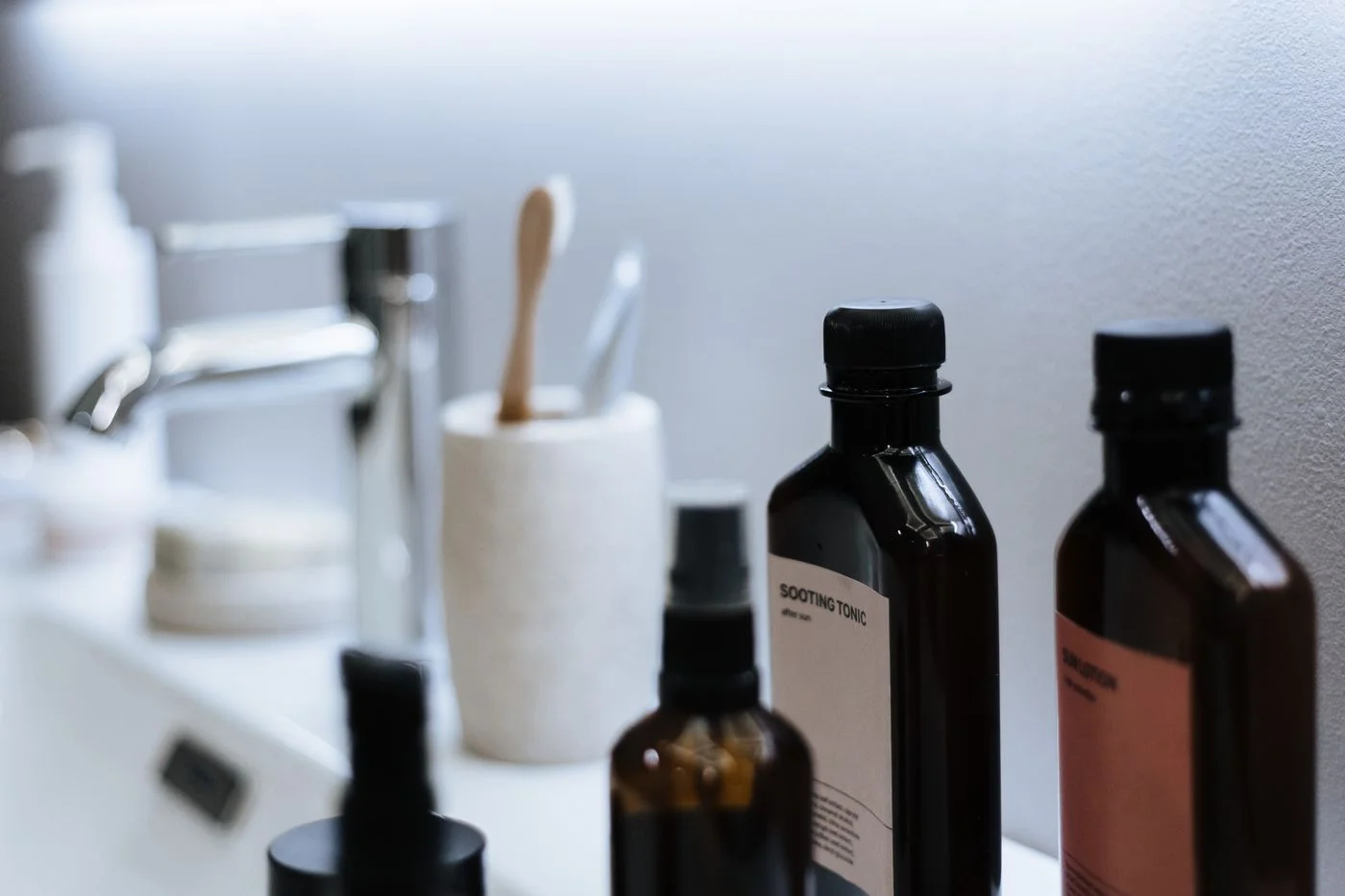
A small bathroom may have a narrow sink, little storage, and several people using the space at the same time. Adding an organizer is not always the first solution. Start by deciding which oral-care items need to be within reach every day and which can be stored elsewhere.
Keep the daily group focused: the brush, toothpaste, and the between-teeth tool you use. Include prescribed products when needed. Unopened replacements, spare travel cases, and packaging do not all need the same valuable counter space.
Design around use and drying
Choose a stable place for the brush where it can dry appropriately without touching another person's head. Check that the holder can be cleaned and does not collect water underneath. A narrow upright holder may work better than a large cup filled with unrelated toiletries.
If you mount something on the wall, use a fixing method suitable for the surface and the weight. Keep it reachable without leaning across a wet sink or pulling on an electrical cord. A storage idea that looks tidy in a photograph still needs to work with your own mirror, taps, and door movement.
Give electrical items a safe location
Follow the device manual's placement and charging warnings. Do not stretch a charger across a sink or improvise an arrangement that puts electrical equipment where it can fall into water. If there is no suitable charging spot in the bathroom, check the manufacturer's instructions for an appropriate location elsewhere.
A water flosser needs enough space for filling, use, emptying, and drying. Measure that working space rather than only the footprint of its base. If the setup is too awkward, discuss a different suitable interdental approach with your dental professional rather than forcing a device into the room.
Keep shared arrangements obvious
Use clear identification for personal brushes and heads. Store clean supplies apart from used items and agree on who cleans a shared holder. A small labelled drawer section can be more useful than a decorative collection of identical containers.
Review the setup after a normal week. Move anything that repeatedly gets knocked over, stays wet, or blocks the task. Store backups in a dry appropriate place and keep a simple note of what needs replacing.
The successful small bathroom is not the one with the most storage products. It is the one where you can perform the routine, put things away, and leave the area ready for the next person without a complicated sequence of rearranging.
Continue exploring

A Straightforward Twice-Daily Brushing Routine
Build a repeatable sequence that covers every tooth surface and fits into the beginning and end of your day.
Keep reading: A Straightforward Twice-Daily Brushing Routine
Choosing a Soft-Bristled Toothbrush
Look at head size, handle control, and a clear soft-bristle label rather than equating a firmer brush with a better clean.
Keep reading: Choosing a Soft-Bristled Toothbrush