Questions to Bring to a Routine Dental Visit
Use the appointment to clarify technique, ongoing symptoms, and the products that belong in your own care plan.
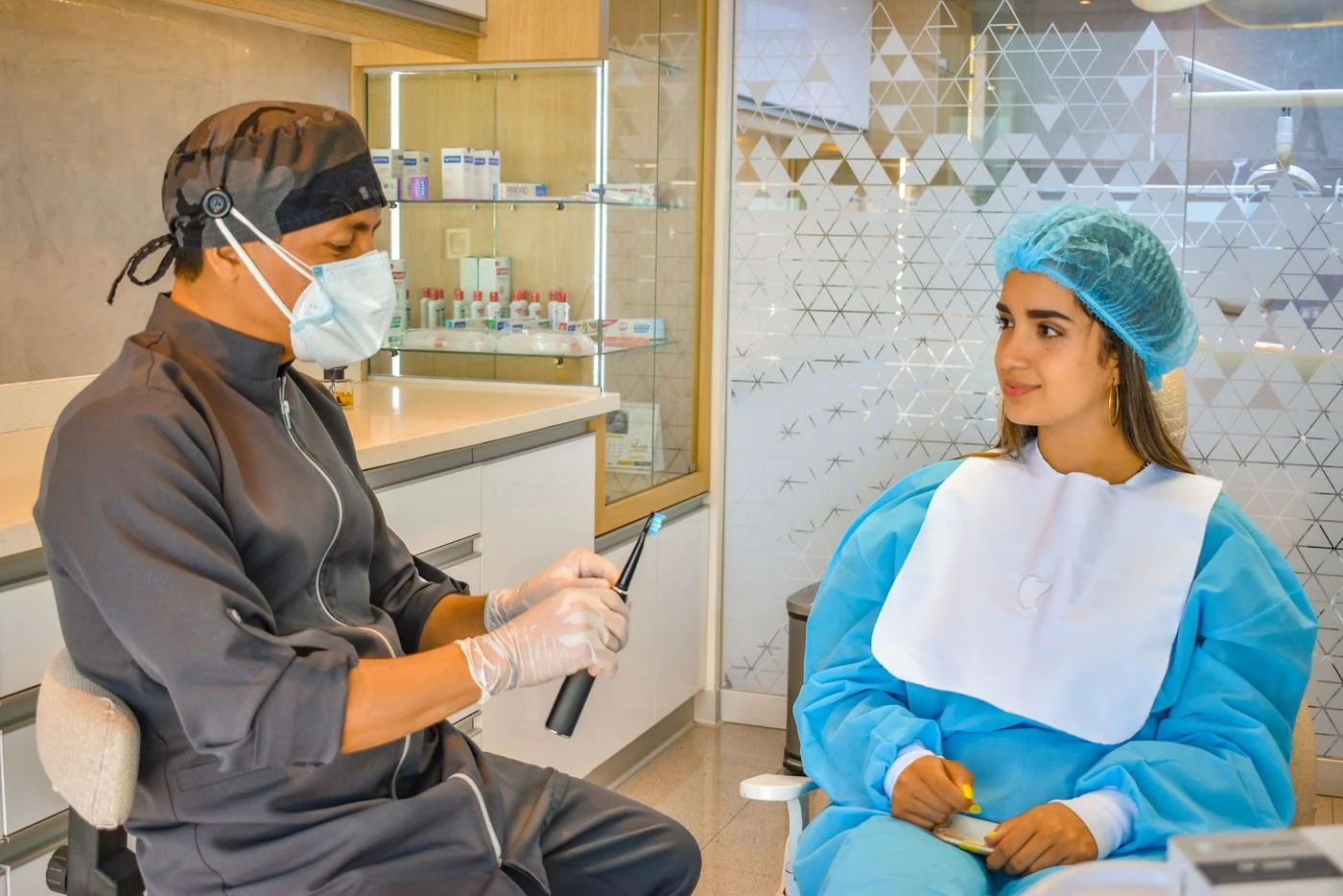
A routine dental visit is an opportunity to ask about the parts of home care that remain uncertain. You do not need a new device or a self-diagnosis before raising a question. A clear description of what you notice and what you find difficult gives the dental team a useful starting point.
Before the appointment, write down your main concerns. Include when they began, whether they happen repeatedly, and what makes them better or worse. Pain, bleeding, sensitivity, a change in the mouth, and difficulty cleaning a particular area are worth describing accurately rather than minimizing because the visit was booked as routine.
Ask about the technique you use now
You can bring the brush model name or a photograph and ask whether the head size and technique suit you. If you are unsure where to place the bristles or how to clean a back area, ask for a demonstration.
Useful questions include:
- Which areas am I missing when I brush?
- What should I use to clean between these particular teeth?
- Do I need different interdental brush sizes?
- How should I clean around my dental work or appliance?
- Can you watch me try the technique so I know I understood?
These questions connect the advice to a task you can perform at home. A generic instruction to be more thorough is less useful if you do not know what to change.
Review products with a clear purpose
List the toothpaste, rinse, whitening products, and other oral-care items you use. Include prescribed products and how often you use them. Ask which are needed, which are optional, and whether any should be used at a different time.
If you are considering an electric brush or water flosser, explain the problem you hope it will solve. Difficulty holding floss, pressing too hard, and brushing too briefly are different problems. The recommendation should address your difficulty rather than simply adding a device.
Ask about replacement costs and alternatives if affordability may affect whether you follow the advice. A routine that depends on supplies you cannot reliably obtain needs another discussion.
Clarify the follow-up plan
Ask how often you should return based on your oral health and what changes should prompt contact sooner. Do not assume that somebody else's appointment interval applies to you.
For a treatment or recommended product, confirm the amount, frequency, duration, and expected effects. Ask what to do if you develop an unexpected problem. Write down the answer or request written instructions so you do not have to reconstruct it later.
Tell the dental team about relevant changes in health and medications. If a medicine may be involved in a symptom, do not stop it yourself; the appropriate professionals can advise on the next step.
A productive visit leaves you with a few clear actions, not necessarily a longer shopping list. Bring the questions that affect your daily care, and make sure you understand the answers well enough to use them after you leave.
Continue exploring

A Straightforward Twice-Daily Brushing Routine
Build a repeatable sequence that covers every tooth surface and fits into the beginning and end of your day.
Keep reading: A Straightforward Twice-Daily Brushing Routine
Choosing a Soft-Bristled Toothbrush
Look at head size, handle control, and a clear soft-bristle label rather than equating a firmer brush with a better clean.
Keep reading: Choosing a Soft-Bristled Toothbrush