When to Replace a Toothbrush or Brush Head
Use the replacement guidance and visible wear together, and make sure a spare fits the tool you actually own.
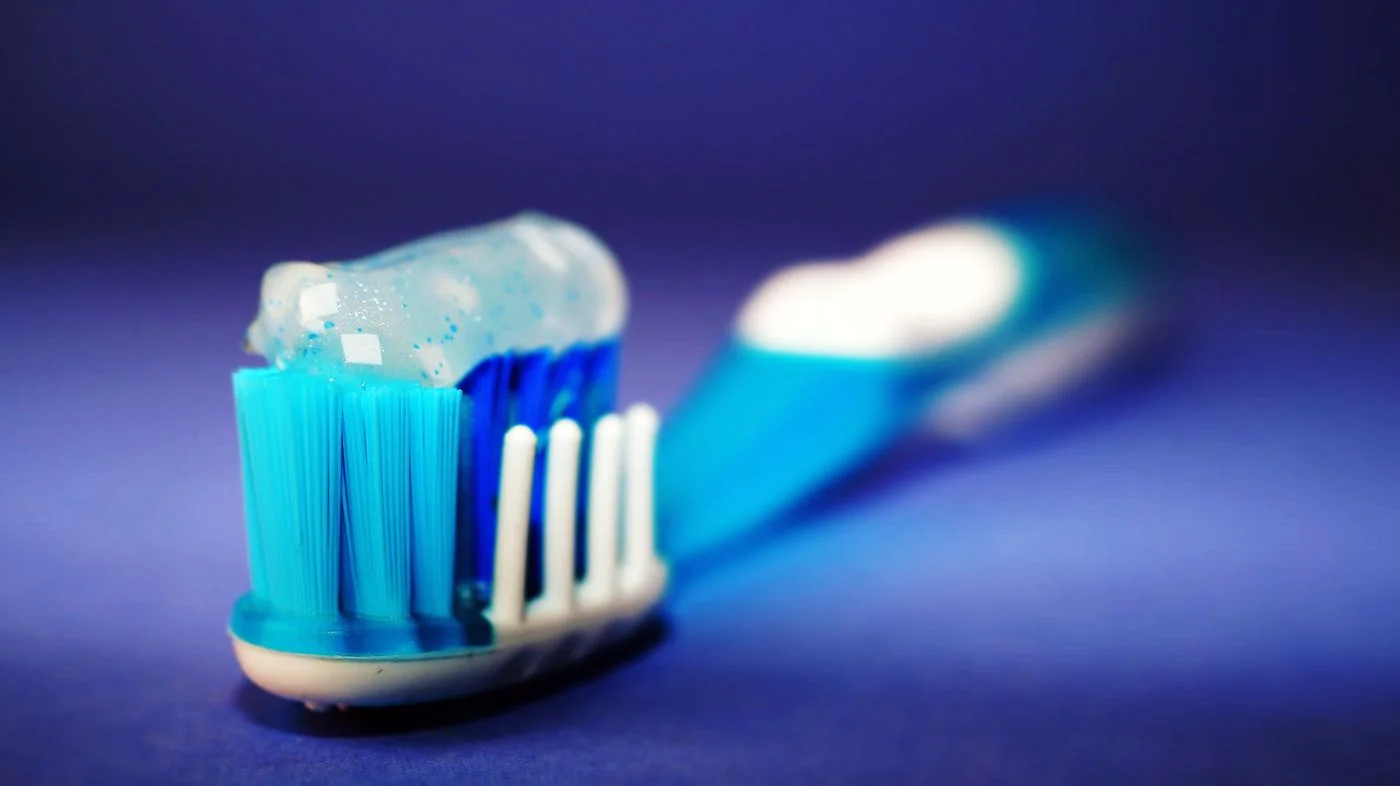
A toothbrush can remain in its holder long after you intended to replace it. Familiarity makes wear easy to overlook, especially when the handle still looks new. With a powered brush, the reusable handle can make the attached head feel equally permanent even though it is a replaceable part.
The ADA recommends replacing a toothbrush about every three to four months, or sooner if the bristles are frayed. Follow the relevant product instructions and any individual advice from your dental professional as well.
Make the start date easy to remember
Note the date when you begin using a new brush or head. A calendar reminder can prompt you to inspect it, but the reminder should not override obvious wear that appears earlier. Keep the record simple enough that you will update it when the replacement actually happens.
If a device provides a replacement alert, read what the alert means. It may be based on elapsed time or recorded use. It cannot replace looking at the head's condition or following instructions after damage.
Inspect the part that does the work
Look for bristles that are bent, flattened, or splayed, and for damage to the head or attachment. If a head no longer seats properly, do not force it into place or continue because the motor still runs. Check compatibility and contact the manufacturer if the connection appears damaged.
Repeated rapid wear may be worth discussing at a dental visit, especially if you suspect that you press hard. It is a prompt to review technique, not a diagnosis that can be made from the brush alone.
Keep the correct spare
Record the exact handle model and compatible head designation. A pack with the same brand name may still be intended for another attachment system. Compare the information before opening, and retain the packaging until you know it fits.
Avoid buying a very large supply before you know that a particular head suits you. A manageable reserve can prevent a gap when replacement is due without leaving you with many unsuitable items after a handle change.
Dispose of used parts according to local guidance and any legitimate manufacturer return program. Remove a worn brush from the active holder so it cannot be confused with the new one.
Replacement becomes an ordinary maintenance task when the date, fit, and spare are easy to find. You should not have to wait for a brush to become dramatically worn before remembering that it is a consumable tool.
Continue exploring

A Straightforward Twice-Daily Brushing Routine
Build a repeatable sequence that covers every tooth surface and fits into the beginning and end of your day.
Keep reading: A Straightforward Twice-Daily Brushing Routine
Choosing a Soft-Bristled Toothbrush
Look at head size, handle control, and a clear soft-bristle label rather than equating a firmer brush with a better clean.
Keep reading: Choosing a Soft-Bristled Toothbrush