Whitening Toothpaste: Keeping Expectations Realistic
Understand the difference between removing surface stains and changing tooth color before judging a toothpaste by a brighter-smile claim.
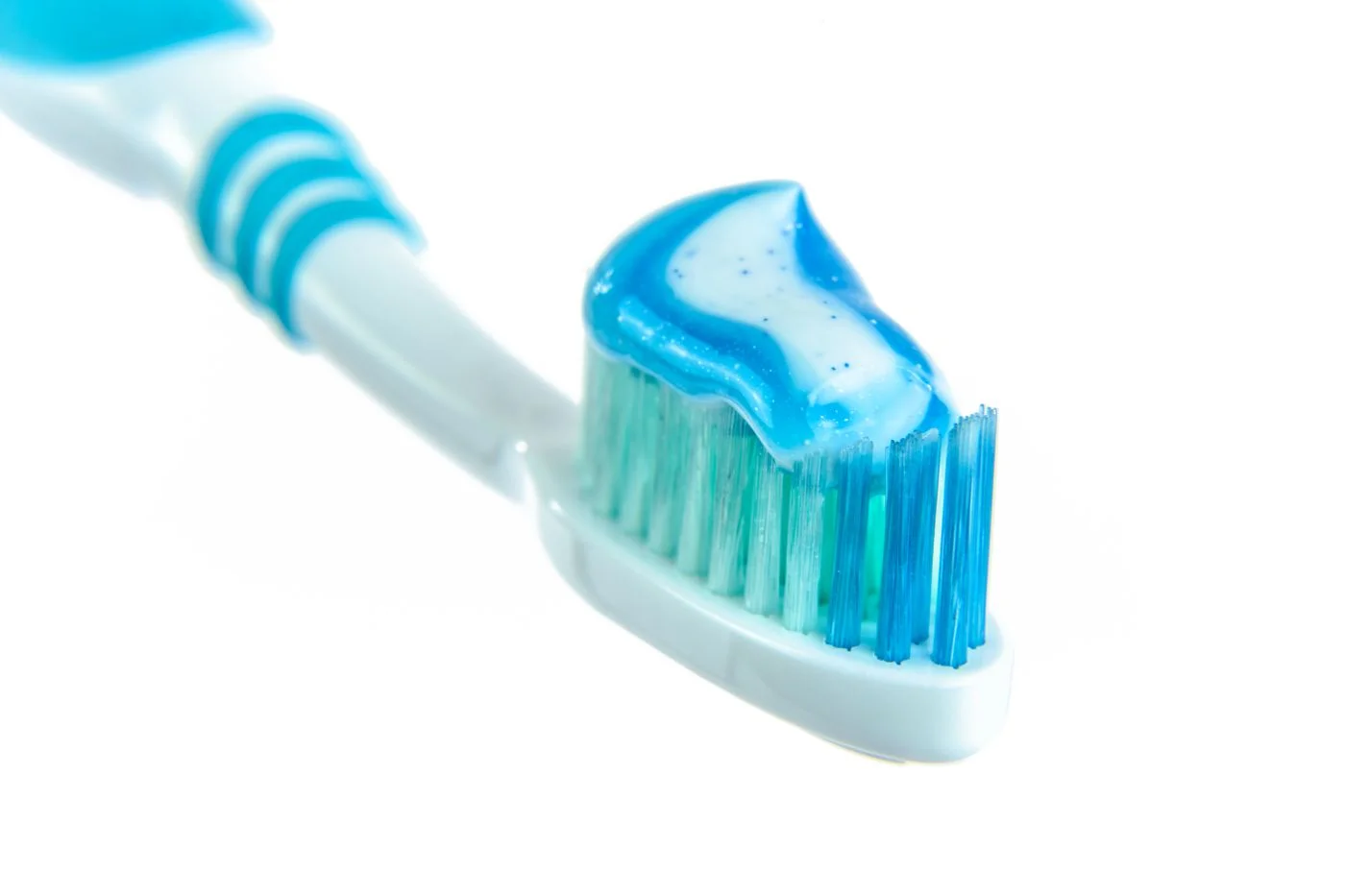
The word “whitening” can describe different approaches, from a toothpaste intended to remove surface stains to a bleaching treatment. These should not be treated as interchangeable. Before choosing a product, identify what it actually claims to do and whether that matches the change you want.
The ADA explains that stain-removal toothpastes work on surface stains and differ from bleaching products. It also notes that whitening does not work the same way on every kind of discoloration or on dental restorations. A more dramatic expectation is a reason to talk to a dentist, not to brush harder with a toothpaste.
Keep the daily purpose intact
Check the fluoride and anticavity information as well as the whitening wording. A cosmetic preference should not obscure the basic reason for using toothpaste in a brushing routine. Read the complete directions and warnings for the exact formula.
Use the product as directed. Increasing the amount, brushing for excessive periods, or pressing harder does not turn a surface-stain product into a different kind of treatment. Avoid combining it with improvised acidic or abrasive household mixtures.
Judge change without a misleading comparison
Bathroom lighting, camera exposure, and lip color can all affect how teeth appear in a photograph. A before-and-after image is difficult to interpret if those conditions change. Do not use a filtered comparison as a reason to intensify the routine.
If you are concerned about a new color change in one tooth or another unusual change, seek dental assessment rather than assuming it is a stain that a cosmetic can remove. The cause matters to the appropriate response.
Ask before adding a second whitening method
A toothpaste, strip, tray, and professional treatment can have different ingredients and instructions. Combining several because each is sold over the counter does not establish that the combination is suitable for you.
Discuss sensitivity, gum irritation, restorations, and your desired result with a dentist. Ask which method, if any, is appropriate and what limits to expect. A dental professional can also explain whether the concern involves something that will not respond to the product you are considering.
If a toothpaste causes persistent discomfort, stop and get advice rather than continuing to reach a promised shade. A pleasant or brighter appearance is not worth ignoring a problem.
Whitening toothpaste can have a limited, specific role in a routine. A clear understanding of that role makes it easier to choose sensibly and to recognize when the question belongs in a dental conversation instead of another purchase.
Continue exploring

A Straightforward Twice-Daily Brushing Routine
Build a repeatable sequence that covers every tooth surface and fits into the beginning and end of your day.
Keep reading: A Straightforward Twice-Daily Brushing Routine
Choosing a Soft-Bristled Toothbrush
Look at head size, handle control, and a clear soft-bristle label rather than equating a firmer brush with a better clean.
Keep reading: Choosing a Soft-Bristled Toothbrush